REVIEW · ANCHORAGE
Anchorage Highlights and Indigenous Heritage
Book on Viator →Operated by Pacific Alaska Tours · Bookable on Viator
Three hours. A strong start for Anchorage. This small-group tour links Dena’ina Athabascan homelands to modern downtown, with an easy first look at the city’s beginnings along Ship Creek.
I really like how the stop at the Alaska Native Heritage Center is built for more than sightseeing. You get stories, dance and song, life-size dwelling recreations, and even Alaska Native games—so the heritage isn’t just talked about, it’s shown.
One possible drawback: the schedule is tight. If your guide’s pacing is off or the art workshop visit doesn’t get enough time, you may feel a bit rushed at the very places you came for.
In This Review
- Key highlights you’ll feel right away
- Dena’ina roots and a clear order for your first day
- Starting point on 4th Avenue: easy to find, don’t be late
- Ship Creek: the quick photo stop that sets the scene
- Alaska Native Heritage Center: why this stop is the reason to book
- A guide name worth remembering
- Alaska Art Alliance on Fourth Avenue: the crafts you can actually see
- When the city story includes a port stop, think photos and context
- Price and value: what $79 actually buys you
- How to get the most out of 3 hours (without feeling rushed)
- Who this tour is best for
- Quick decision: should you book this Anchorage heritage tour?
- FAQ
- How long is the Anchorage Highlights and Indigenous Heritage tour?
- What does the tour cost?
- Is pickup available?
- Where do I meet the tour?
- What time should I arrive?
- Are tickets included for all stops?
- What stops are included?
- What language is the tour offered in?
- How big is the group?
- What is the cancellation policy?
Key highlights you’ll feel right away
- Small group (max 10) makes it easier to ask questions and hear answers over city noise
- Ship Creek photo stop helps you place downtown Anchorage in the bigger geographic story
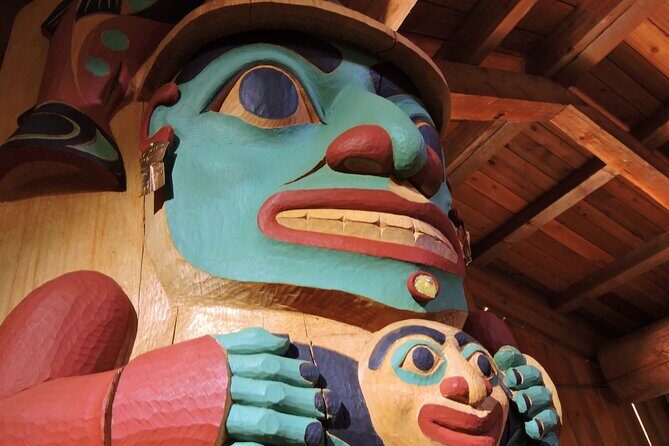
- Heritage Center admission included and built around 11 major Alaska Native cultures
- Alaska Art Alliance carving workshop shows traditional techniques and materials like ivory, whale bone, and baleen
- Weather matters—plan for standing outside briefly, so boots and rain gear help
- Pickup is available, but you still need to be on time at the start on 4th Avenue
Dena’ina roots and a clear order for your first day

Anchorage can feel like two different places at once: big-city convenience on one side, and raw Alaska scale on the other. This tour helps you connect those dots fast, using Anchorage’s downtown history as the thread.
You start with a drive through the traditional homelands of the Dena’ina Athabascan, then roll toward where Anchorage began along Ship Creek. The route is designed to give you bearings before you wander on your own. If you’re the type who likes a map in your head, this works.
You’ll be in a vehicle with a trained driver who guides you through the story. Also, because this experience is framed around Indigenous heritage, it can help to go in ready to ask questions and listen closely—guides are not required to be lifelong local experts, so your curiosity is part of the value you get.
Other historical tours in Anchorage



Starting point on 4th Avenue: easy to find, don’t be late
The meeting spot is Anchorage Trolley Tours at 546 W 4th Ave, on 4th Avenue between E and F streets, in front of the Old City Hall and the Log Cabin visitor center. You’re asked to arrive 15 minutes early, and you’ll look for the driver in a grey polo or dress shirt with the Pacific Alaska Tours logo.
This matters more than you might think. The whole tour moves in set blocks (photo stops, then two focused indoor/outdoor visits), so being even a few minutes late can compress things. If it’s rainy—Alaska style—being early also gives you a moment to get situated in your gear before you roll out.
Good news: you get a mobile ticket, and confirmation comes at booking. If your plans are weather-dependent, you can also use the free cancellation up to 24 hours to adjust without stress.
Ship Creek: the quick photo stop that sets the scene
The first stop is a short moment at Ship Creek. Expect a brief outdoor break—think photos, mountain views, and city views all in the same glance.
This is not a long walk, but it’s useful. Anchorage’s story is tied to waterways, and Ship Creek is the practical starting point for how the area grew. If you’re later visiting viewpoints, museums, or walking downtown, you’ll remember this spot as a reference point.
What to watch for: even on short photo stops, the weather can change fast. Wear shoes that handle wet pavement and gravel. If you’re visiting in rain or shoulder season, boots beat sneakers that get soaked immediately.
Alaska Native Heritage Center: why this stop is the reason to book
If you only did one part of this tour, make it the Alaska Native Heritage Center. It’s the emotional and cultural anchor of the afternoon.
The center shares the heritage of Alaska’s 11 major cultures. That breadth is the big advantage here. Instead of focusing on one narrow theme, you get a sense of how Indigenous cultures across Alaska connect through shared values and distinct traditions.
During your visit, you’ll have time to see:
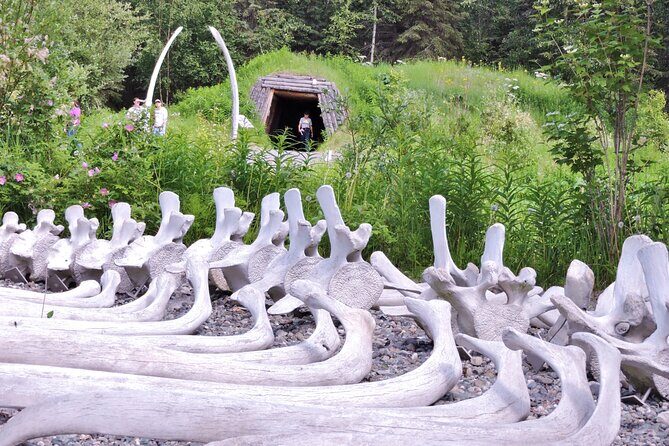
- Life-size recreations of Alaska Native dwellings, so you can visually understand traditional ways of living
- Traditional dancing and singing, which helps you experience culture as something lived, not static
- Native Alaskan games, adding a hands-on kind of learning to the day
You’ll also find a museum component and additional exhibits in the complex, and the center is set up so you can move at a comfortable pace while still being in a guided timeline.
The one caution: there’s a lot to absorb here. The time on the tour is set, so if you like reading every sign, watching every performance, and going back for extra context, you might feel like you didn’t get enough space. This isn’t a flaw in the center—it’s just a reality of doing it as part of a 3-hour package.
If your priority is culture-first time, build in the mindset that this stop is the main event, not a quick add-on.
A guide name worth remembering
One guide called out in this experience’s feedback is Jane, praised for being able to answer questions and keep things moving in a helpful way. You won’t control who you get, but it’s a good sign for departures where your guide is strong at guiding you through the story without rushing you.






Alaska Art Alliance on Fourth Avenue: the crafts you can actually see
After the Heritage Center, you head to the Alaska Art Alliance on Fourth Avenue. This is a different style of cultural learning—less about performances, more about craft and process.
At the workshop, you can watch Alaska Native artists practicing traditional carving techniques passed down through generations. The materials they work with may include ivory, whale bone, and baleen. Seeing these materials in a hands-on-making context gives you a stronger understanding of why the art matters beyond decoration.
You’ll also hear about a project named Utuqqanaatmiñ, which means From Our Elders. The core idea is that the art carries knowledge forward—carved memory, family history, and community teachings.
There’s an attached gallery where artists sell their work. Even if you’re not shopping heavily, it’s worth browsing. You’ll come away with a clearer sense of what’s traditional, what’s contemporary, and how artists translate their heritage into objects people can live with.
Possible drawback to plan around: this stop can feel dependent on the day’s workshop setup. On some visits, the front gallery experience may not match what you expected from the word workshop. Still, if you do get access to the back area where the carving happens, it can be genuinely meaningful to watch artisans work and talk through their pieces.
When the city story includes a port stop, think photos and context
One detail that can change your day: you may get a quick stop near the port area as part of the city-growth story. If that happens, treat it as a visual marker—use it to connect Anchorage’s development to what you saw earlier at Ship Creek and in the Heritage Center.
It can be slightly unclear how the port moment fits if you’re looking for a tight through-line, so keep your expectations flexible. The main cultural content still sits at the Heritage Center and the Art Alliance.
Price and value: what $79 actually buys you
At $79 per person for about 3 hours, this is priced as a guided, culture-focused orientation tour with two structured stops.
Here’s where the value comes from:
- One admission is included: the Alaska Native Heritage Center ticket is part of the cost
- Other stops are free for admission (Ship Creek and the Art Alliance stop are not ticketed)
- You get a small group size (max 10), which keeps the tour from feeling like a conveyor belt
- The route and timing help you hit the essentials without doing extra planning for parking, route logic, and scheduling
Is it pricey compared to a self-guided downtown stroll? Yes. But self-guided walking won’t hand you the curated cultural context, the structured time at a major heritage center, and the chance to watch carving techniques in a workshop setting.
If you’re only in Anchorage for a short time, this is a practical way to start. It also helps you choose what to revisit later. After this tour, you’ll know whether you want extra time at the Heritage Center, more time at craft-focused spaces, or more downtown wandering on your own.
How to get the most out of 3 hours (without feeling rushed)
Because this experience is built for a short total duration, you’ll enjoy it more if you treat it like a “first chapter,” not a full book.
My practical tips:
- Wear rain gear and waterproof boots if you’re traveling in messy weather. The outdoor Ship Creek moment is short, but wet feet can ruin the mood fast.
- Go to the Heritage Center hungry for context, not just photos. If you’re serious about dwellings, games, dance, and song, arrive ready to prioritize.
- Use the art stop to ask questions, even if you don’t plan to buy. People working with tradition usually appreciate curiosity.
- Keep your expectations flexible about what happens minute-to-minute at the workshop. Some days are more active than others.
If you’re the type who hates group timing, you might find the Heritage Center portion limiting. If you like guided structure that points you in the right direction, you’ll likely feel satisfied.
Who this tour is best for
This works especially well for:
- First-time visitors who want an Anchorage orientation tied to Indigenous heritage
- People who want a short, guided schedule with one major indoor cultural anchor
- Travelers who like seeing process—like watching traditional carving—rather than only reading placards
It may be less ideal if:
- You want long, slow museum time and don’t like time-boxed visits
- You are extremely sensitive to pacing and want the smoothest storytelling possible every minute
Quick decision: should you book this Anchorage heritage tour?
If you’re asking whether to book, I’d say yes—with the right mindset. This is a strong way to start your Anchorage trip, especially because it combines downtown roots with a center that shows Indigenous cultures through performance, dwelling recreations, and games.
I’d book it if:
- You value a guided overview that helps you plan what to do next
- You want the Heritage Center experience without having to piece together timing and logistics
- You’re curious about living artistic traditions and the making process
I’d think twice if:
- You need unlimited time at the Heritage Center or you’re worried about being rushed
- You’re expecting the art workshop to always feel like constant active carving on the floor (it can depend on the day’s setup)
If you do book, wear solid shoes, show up early, and treat the Heritage Center as the main event. Then let the rest of the tour be your helpful warm-up for exploring Anchorage after.
FAQ
How long is the Anchorage Highlights and Indigenous Heritage tour?
It runs about 3 hours.
What does the tour cost?
The price is $79.00 per person.
Is pickup available?
Yes, pickup is offered.
Where do I meet the tour?
It meets at Anchorage Trolley Tours, 546 W 4th Ave, Anchorage, AK 99501. Specifically, it’s on 4th Avenue between E and F streets in front of the Old City Hall and Log Cabin visitor center.
What time should I arrive?
Please arrive 15 minutes prior to tour departure.
Are tickets included for all stops?
Admission is included for the Alaska Native Heritage Center. Ship Creek and the Alaska Art Alliance are listed as free admission.
What stops are included?
The tour includes a photo stop at Ship Creek, a visit to the Alaska Native Heritage Center, and a stop at the Alaska Art Alliance.
What language is the tour offered in?
It’s offered in English.
How big is the group?
The maximum number of travelers is 10.
What is the cancellation policy?
You can cancel for a full refund up to 24 hours before the experience’s start time.