REVIEW · ANCHORAGE
Wildlife and Glaciers with a walk in the Rainforest
Book on Viator →Operated by Alaska's Finest Tours & Cruises · Bookable on Viator
Alaska does wildlife right, close to town. This tour mixes Turnagain Arm wildlife spotting with an up-close visit to the Alaska Wildlife Conservation Center, plus a walk through a rainforest near Portage. I especially like the chance to catch Dall sheep and even the occasional beluga sighting from the roadside viewpoints, and I like that the day is paced by an expert guide who knows where to look and what to notice.
One drawback to keep in mind: if you’re traveling in winter, cold snaps and weather can change what you actually see. In really windy, icy conditions, van comfort and visibility can turn into a factor, and the glacier or rainforest portions may be shortened or swapped for safer options.
In This Review
- Key highlights worth caring about
- Turnagain Arm Road: the drive that does the heavy lifting
- Beluga Point and the Dall sheep scan: timing is everything
- Alaska Wildlife Conservation Center: why this stop feels different
- Portage Glacier Road: the “glaciers are everywhere” lesson
- A walk through the rainforest: pretty, but don’t expect a long trail
- Guides make (or break) the vibe: the human factor you’ll feel
- Price and value: what you’re actually buying for $149
- What to pack and how to dress (this is not optional in Alaska)
- How this tour fits different travel styles
- Should you book this tour?
- FAQ
- How long is the Wildlife and Glaciers with a walk in the Rainforest tour?
- Where do you meet for the tour?
- What’s included in the price?
- Is lunch or snacks included?
- What wildlife might you see?
- Do you need good weather for this tour?
- What group size is the tour limited to?
Key highlights worth caring about
- Small-group feel (max 14): easier conversations and more chance to stop for short photo moments.
- Turnagain Arm viewpoints: places like Beluga Point are built for scanning—timing matters.
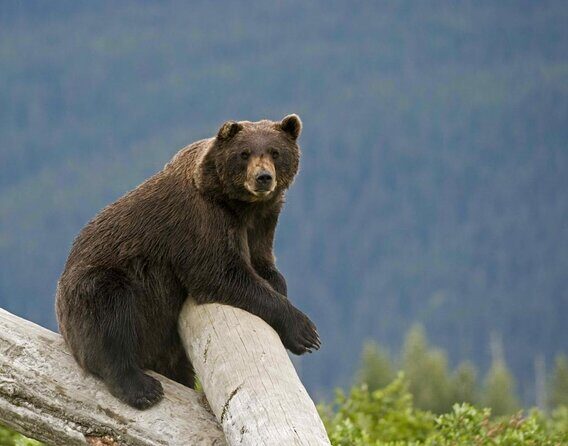
- Alaska Wildlife Conservation Center (AWCC): displaced animals cared for in a natural setting, not just a roadside zoo stop.
- Portage Valley glacier views: you’ll get the classic “wow” drive, even when clouds limit details.
- Short rainforest walk: scenic, mossy, and easy for most people, but it can be brief.
- Guides who share real Alaskan context: including Native Alaskan stories that go beyond wildlife facts.
Turnagain Arm Road: the drive that does the heavy lifting
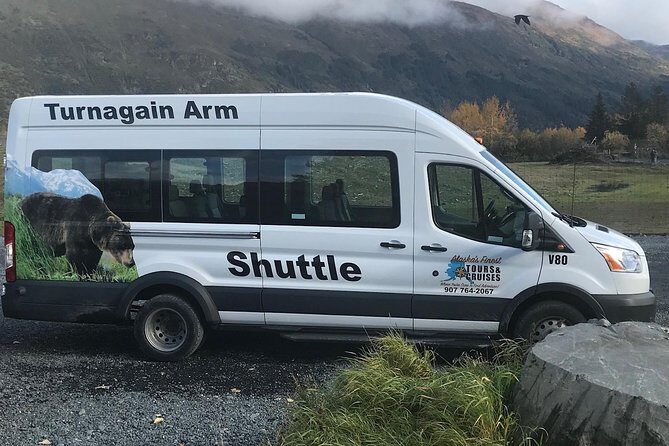
You’re not trekking into the wilderness for this one. The magic is that Anchorage gives you access. From central Anchorage, you ride out toward the Turnagain Arm area where the Gulf of Alaska has tides, currents, and strong food chains that pull in wildlife.
What makes this portion work is that the guide doesn’t treat it like dead time. The route includes planned pull-offs where you can scan for animals on shorelines, ridges, and in the water. This is where your “eyes on the horizon” habit pays off. If you show up with patience (and a good pair of binoculars if you have them), you’ll get a more satisfying day.
Also, the small-group size helps. With a max of 14 people, the guide can actually talk to everyone, answer questions without rushing, and coordinate quick stops so everyone gets a look.
Other glacier tours and cruises weve reviewed in Anchorage
Beluga Point and the Dall sheep scan: timing is everything
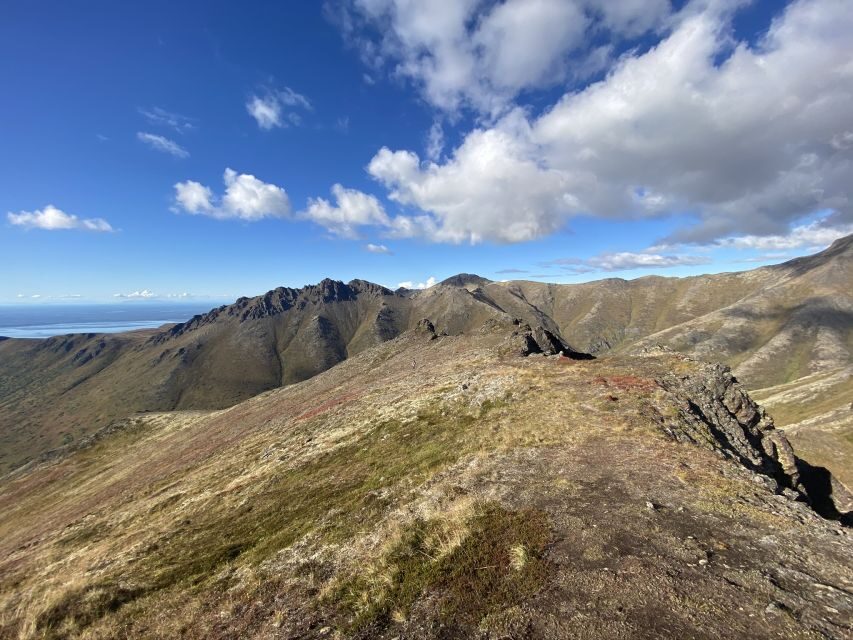
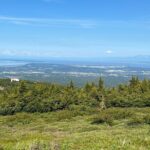
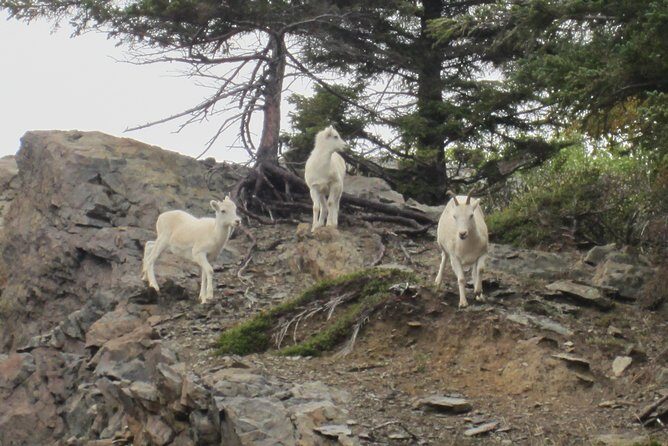
The first major stop is Beluga Point, known for panoramic views over Turnagain Arm. You’re looking for two things here: Dall sheep on steep slopes and possible beluga whales near the waterline.
Here’s the practical truth: wildlife sightings aren’t guaranteed. But Beluga Point is one of the better places in the area to look. Dall sheep often show up on rocky ridges when conditions are right, and belugas can surface in ways that make you feel like you’re late to a magic show—then suddenly you’re not.
A tip that actually matters: keep your scanning simple. Don’t stare down at your camera settings while the guide is calling something out. Quick photos are great, but the real win is spotting the animal first. If your group is watching, you’ll also notice the timing rhythm—what’s visible for a short moment can vanish just as fast.
Alaska Wildlife Conservation Center: why this stop feels different
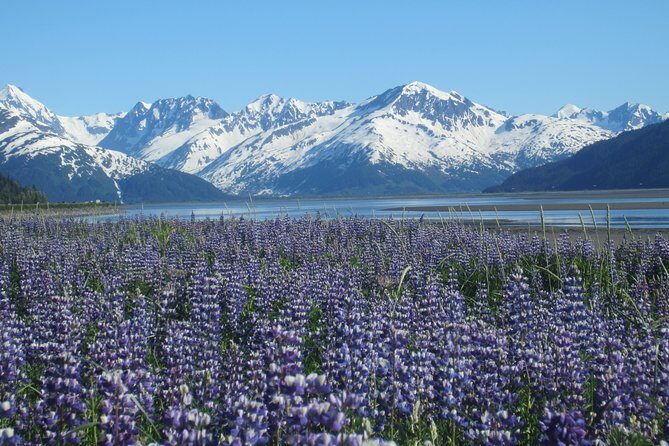
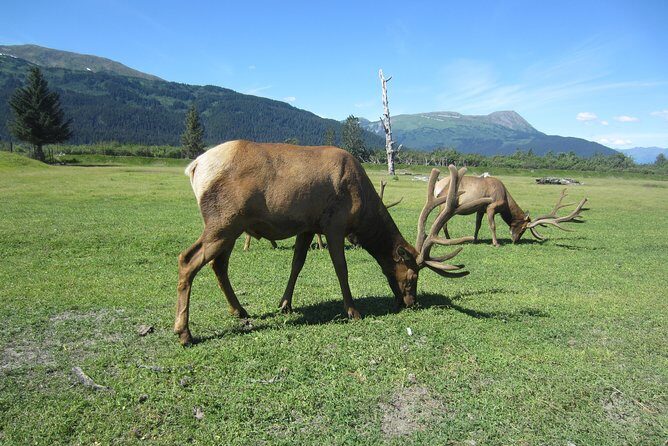
The Alaska Wildlife Conservation Center is the heart of the “wildlife up close” part of the day. Instead of having animals stacked behind glass or in a typical zoo layout, you see them in a sanctuary environment where the point is care and conservation.
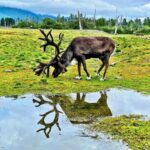
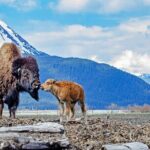
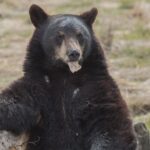
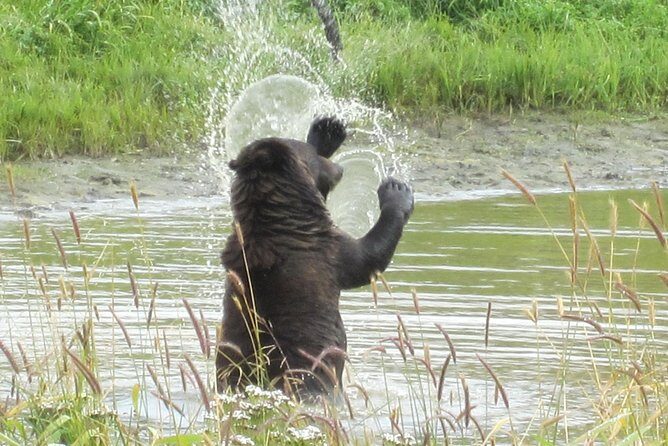
You’ll likely spot many of the big-name Alaskan species, including bears, moose, musk ox, caribou, lynx, and wood bison. Even when you don’t see every species in a single visit, the experience still lands because you understand what you’re looking at: animals that need refuge.
What I like most is the educational vibe without the lecturing. You’re given space to wander and look at the animals, then the information helps you connect behavior to survival needs. And yes, the atmosphere is part of the deal. When you’re standing near real animals in a natural setting, it changes your perspective fast.
From the reviews, guides like Melissa and Gary have been especially strong at making this visit feel personal—explaining how they think about animals and the ways Alaskans live around wildlife. You don’t just leave with photos. You leave with context.
Portage Glacier Road: the “glaciers are everywhere” lesson
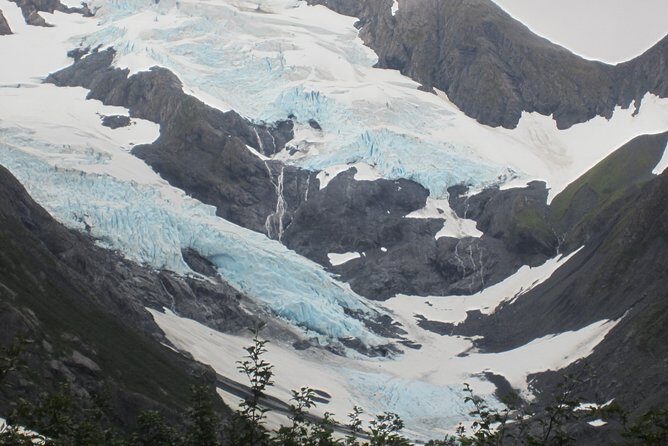
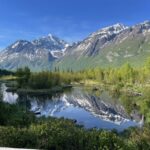
After AWCC, the route continues down Portage Glacier Road toward Portage Valley. This is your glacier viewing moment, and it can be spectacular—but it’s also the most weather-dependent part of the itinerary.
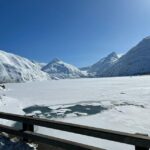
You may see multiple glaciers referenced in the area, including Explorer Glacier, Middle Glacier, Byron Glacier, and also viewpoints connected to the Portage Lake area. In winter or cloudy conditions, glacier detail can be hard to distinguish because snow can hide the edges. In rain or low visibility, you might see only small sections rather than the full, dramatic view you were hoping for.
Still, even limited views are often worth it because the scenery explains the region. You start to understand why people call Alaska dynamic—ice, tide, wind, and mountains all competing for attention.
One more practical note: you’ll have some time to enjoy the stop, but don’t assume it’s built for long hikes. Bring the mindset of “short look, big payoff.”
A walk through the rainforest: pretty, but don’t expect a long trail
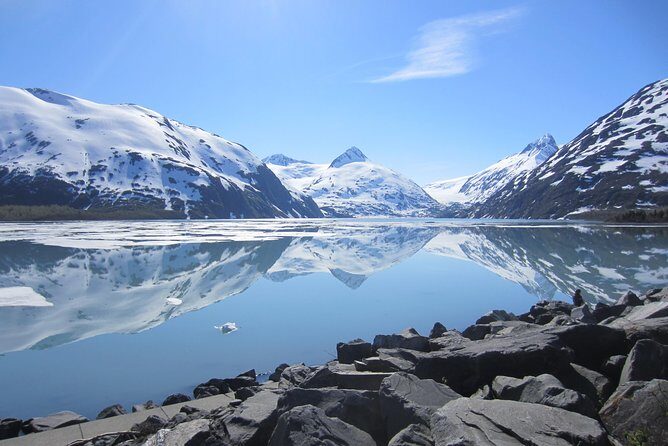
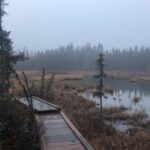
The day includes a walk through a rainforest area connected with the Portage Lake region. This is where the tour title makes sense, because you really do get that moist, green coastal feel in the right spots—moss, trees, and that thick, cool air that makes you slow down.
But here’s the honest expectation setting: some reviews describe the rainforest portion as short. It’s not a full-day hike or a multi-mile trek. Think of it as a scenic stretch that helps you break up the day and add variety after wildlife scanning and animal center time.
If you’re going in winter, the walk may be shortened or swapped for safer options based on conditions. Alaska gets serious about weather and moose behavior in cold snaps, and guides can adjust plans for safety.
If what you want most is a long nature hike, you may feel slightly under-hiked. If you want a mix—wildlife now, rainforest walk for the vibe, glaciers as the finale—this works nicely.
Other wildlife viewing tours weve reviewed in Anchorage
Guides make (or break) the vibe: the human factor you’ll feel
This is the kind of tour where the guide’s personality matters. In the best experiences, the guide is doing three jobs at once: driving safely, spotting wildlife, and translating Alaska into plain English.
Names that showed up in the feedback include Melissa, Gary, Matt, Abe, and Jim. The common thread wasn’t just facts—it was storytelling and pacing. Guides shared personal context, like Native Alaskan experiences connected to hunting and preparing for winter, and they also handled questions on the fly without making you feel like you were slowing the day down.
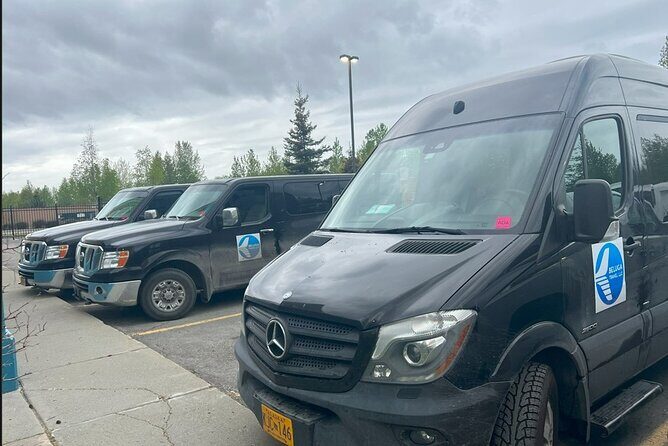
Another “small but important” point: several reviews mention guides planning stops, including bathroom breaks, without making it a hassle. When you’re in cold weather or windy roadside viewing, that kind of planning can be the difference between enjoying the day and counting minutes until the van warms up.
Price and value: what you’re actually buying for $149
At $149 per person, you’re paying for a tight 4.5-hour circuit that bundles four things:
- transportation from central Anchorage,
- a professional guide,
- included entry to the Alaska Wildlife Conservation Center,
- and multiple major scenic stops along the peninsula.
Lunch and snacks aren’t included, so budget for that. But many people find that the included entry fee is a meaningful part of the total value, because AWCC is a real destination, not a quick photo stop.
Is it “worth it” if you don’t see belugas or get only cloudy glacier views? It can still be worth it because AWCC and Turnagain Arm wildlife spotting are the core of the experience. You’re not just paying to look at one view; you’re buying time in a region where wildlife shows up in many ways.
In other words: the tour is strongest when you treat it like a nature-and-animals day, not a guarantee contest.
What to pack and how to dress (this is not optional in Alaska)
Weather changes quickly. Even in shoulder seasons, you can get wind, rain, and sudden cold. Dress like you expect to be uncomfortable for 30 minutes—then you’ll be fine.
For winter, pay special attention to layers and visibility issues:
- Bring gloves you can actually use with your phone/camera.
- Wear foot protection that stays warm when standing still.
- Expect that in deep cold, windows inside a vehicle can fog or even freeze depending on conditions.
If you’re sensitive to cold, plan on layering heavily and keeping your focus on staying comfortable during long viewing pauses. The day includes scanning time where you’ll be still, and stillness is when cold bites hardest.
Also consider binoculars if you already own them. You don’t have to, but Turnagain Arm spotting rewards them.
How this tour fits different travel styles
This is a good fit if you:
- want wildlife without renting a car and learning the peninsula on your own,
- prefer a light, guided day over a full-day expedition,
- like conservation settings and educational interpretation,
- and enjoy short stops where you can grab photos and keep moving.
It may not be ideal if you:
- need a long rainforest hike or lots of time on foot,
- hate the idea that wildlife sightings can be unpredictable,
- or are traveling in extreme winter weather and have no tolerance for cold rides and reduced visibility.
In winter, the experience can still be gorgeous and fun—some groups love the “winter wonderland” feel and the earlier sunset rhythm. Just go in knowing winter changes the rules.
Should you book this tour?
If your goal is wildlife first, glaciers second, and variety in the middle, I think it’s an easy yes. The combination of Turnagain Arm viewpoints plus the Alaska Wildlife Conservation Center is what makes this tour feel worthwhile, even when the weather limits glacier drama.
Book it if you want an efficient Anchorage-area nature day with a guide who helps you spot what you’d miss on your own. Skip it or choose a different season if you know you struggle with winter cold or you’re specifically chasing a long rainforest walk and guaranteed glacier clarity.
FAQ
How long is the Wildlife and Glaciers with a walk in the Rainforest tour?
It runs about 4 hours 30 minutes.
Where do you meet for the tour?
You meet at 509 W 3rd Ave, Anchorage, AK 99501.
What’s included in the price?
A professional guide, pick up from central Anchorage at the meeting point, and entry to the Alaska Wildlife Conservation Center.
Is lunch or snacks included?
No. Lunch and snacks are not included.
What wildlife might you see?
The tour includes opportunities to spot Dall sheep, beluga whales, and other Alaskan wildlife. At the conservation center, you may see species such as bears, moose, musk ox, caribou, lynx, and wood bison.
Do you need good weather for this tour?
Yes. It requires good weather, and if it’s canceled due to poor weather you’ll be offered a different date or a full refund.
What group size is the tour limited to?
The tour has a maximum of 14 travelers.