If you love fish stories, this one has real fish. The Salmon Express links Anchorage’s hatchery, Ship Creek, and the fish ladder into one tidy afternoon loop. You get both self-paced exploring and live narration, plus plenty of chances to look up close at Alaska’s salmon cycle.
What I like most is the mix of indoor learning and outdoor payoff. The William Jack Hernandez Sport Fish Hatchery is big enough to feel like a whole working world, and the walk along Ship Creek keeps the story moving. I also really enjoy the hands-on stops, especially the Ulu Factory demo, which turns a simple souvenir shop into something you can watch and understand.
One thing to keep in mind: at $25, a good chunk of the value is the transportation and the way the stops are timed together. Some sections are quick, so if you’re expecting hours of nonstop salmon action, go in with flexible expectations.
In This Review
- Key highlights worth planning for
- Riding the Salmon Express from the Log Cabin Visitor Center
- The William Jack Hernandez Sport Fish Hatchery: a working facility you can walk through
- How long is enough here?
- Ship Creek Dam and the fish ladder: where you should aim your eyes
- Spotting Alaska-made art at the Ulu Factory
- Ship Creek fishing viewing, bait shack tips, and the fun factor
- Ship Creek Trail and Ship Creek Overlook Park: where photos and wildlife fit in
- Port of Alaska water views: the city context you get on the ride
- Price and value: what $25 really buys you
- Who this tour suits best (and who may not love it)
- Should you book the Anchorage Salmon Adventure?
- FAQ
- Where does the Anchorage Salmon Adventure start?
- How long is the tour?
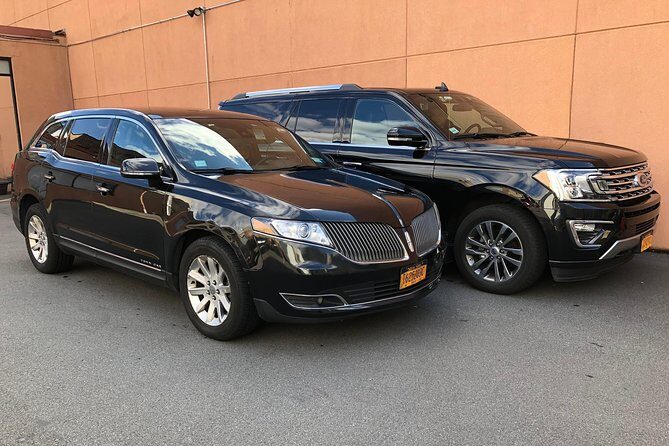
- What transportation is included?
- Is the ticket mobile?
- What stops are included during the experience?
- Is there fishing gear rental?
- What is the group size limit?
Key highlights worth planning for
- 141,000-square-foot hatchery with a self-guided way to see how sport fish are raised year-round
- Fish ladder viewing at the Ship Creek Dam, where salmon are fun to spot as they work their way upstream
- Ulu Factory knife-making demos you can watch, then buy personalized handles for later
- Ship Creek fishing time, including watching local anglers reel in salmon and the on-site gear setup
- Trail and overlook park photo moments, with a chance for wildlife sightings like birds or even a bald eagle
Riding the Salmon Express from the Log Cabin Visitor Center
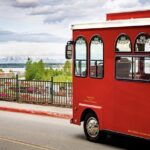
This tour starts at the Visit Anchorage Log Cabin Visitor Information Center (546 W 4th Ave). You’ll hop onto an air-conditioned vehicle, then head to a set of short stops that feel very Anchorage: practical, close to town, and outdoorsy without needing a whole day of transit.
The run time is listed as 1 to 4 hours, and that range makes sense. You’re moving in short legs, but you can linger where you care most: hatchery paths, the Dam overlook, or Ship Creek viewing and the fishing-area vibe. The tour max is 28 people, so it doesn’t turn into a giant herd.
If you luck into a good guide day, it can make the difference. One guide standout I saw named in reviews was Hannah, praised for local fishing enthusiasm and making the ride feel fun, not just factual. Another name that came up was Bob the bus driver, noted for strong storytelling. You don’t need someone to make salmon exciting—still, a good narrative helps you watch better, not just look.
Other salmon and sport fishing trips from Anchorage


The William Jack Hernandez Sport Fish Hatchery: a working facility you can walk through
The first real payoff is the William Jack Hernandez Sport Fish Hatchery. This isn’t a pretend aquarium. It’s a working program, and the scale is what hits you: a 141,000-square-foot facility raising over 4 million sport fish each year.
You’ll take it at your own pace. That matters because the hatchery walk works for different styles. If you like reading signs, you can linger at the exhibits. If you like moving, you can keep a steady pace and still catch the key ideas. Either way, you’re along the creek and you can watch salmon working their way up toward a waterfall area.
One practical tip: give yourself enough time to get your bearings before you go hunting for fish. The viewing spots can be easier once you understand where the water flow guides salmon. Once you get that, you’ll start noticing motion faster.
And for a bonus layer, there’s mention of an outdoor exhibit setup that can include optional audio, so you can choose whether you want to read or listen depending on how busy the area is.
How long is enough here?
Several experiences felt like about an hour for the hatchery portion. If you’re the type who takes photos constantly, you might want to move slower. If you’re more focused on seeing fish, aim to spend your time where water meets viewing paths. Either way, the layout supports self-guided wandering, which is great when your group has different attention spans.
Ship Creek Dam and the fish ladder: where you should aim your eyes
After the hatchery, you reach the Ship Creek Dam area, including a short stop with a big job: vantage point viewing. This is the moment many people hope for because it’s tied to the fish ladder.
Here’s why this stop matters. A fish ladder is not just a pretty piece of infrastructure—it’s conservation in action. When salmon are trying to move upstream, the ladder helps them bypass obstacles that would otherwise block the journey. Seeing it in operation turns the hatchery lesson into something visual.
The time block is short, so treat it like a target zone. Once you’re there, stand where the water flow and ladder lines give you the best chance of spotting movement. Then watch instead of constantly checking your phone. Salmon aren’t a sit-and-bait show. You’ll see them more reliably if you slow down and scan.
Water views are part of the payoff too. One review called out how calming the waterfall area felt, and that’s consistent with why this Dam stop works: it’s an engineered place that still feels very natural.
Spotting Alaska-made art at the Ulu Factory
Next up: the Ulu Factory. If you think factory equals boring, this stop changes your mind. You’ll see skilled artisans craft traditional Ulu knives through live demonstrations, then you can browse and shop.
This stop is valuable for two reasons. First, it gives a cultural contrast to the fish-only focus. Second, it makes a souvenir more meaningful because you can connect the product to the craft process you just watched.
There’s also customization info worth knowing: you can get handles made from materials like birch wood and caribou antler, among others (based on what’s available). That turns the buying decision from impulse to a personal choice.
And yes, it’s also a practical stop. If you’re bringing home a gift for a cook or a craft lover, this is the kind of place where the story behind the object is easy to explain.
Ship Creek fishing viewing, bait shack tips, and the fun factor
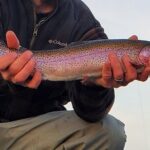
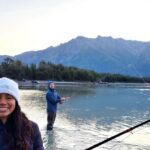
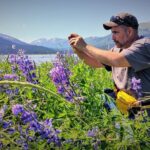
This is where the air changes. At Ship Creek, you can feel the excitement as anglers reel in salmon right from the rushing water. Watching fish being cleaned and filleted right in front of you adds a real-world Alaska edge. It’s not theoretical food production—it’s the next step after catching.
There’s also a Bait Shack stop near the action. This is where you can learn about local tackle and bait setup from people who do this for real. If you want to try fishing, gear rental is available there. Even if you’re not fishing, it’s still a good way to understand what’s working and what matters: timing, setup, and how the water behaves.
One caution: fishing in the moment has a lot of variables, and your success can depend on conditions. But the benefit of this stop is that you’re not just standing there guessing—you get advice on what people use in this area.
Ship Creek Trail and Ship Creek Overlook Park: where photos and wildlife fit in
Between the action stops, you’ll get short time in calmer spaces: the Ship Creek Trail and Ship Creek Overlook Park.
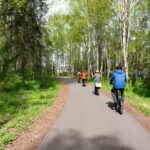
The trail is described as well-maintained and easy to do at a strolling pace. That’s perfect if you want a breather after the hatchery and Dam viewing. The setting also gives you steady photography opportunities: lush greenery, water views, and angles that help you capture how close the city feels to the salmon habitat.
The overlook park is tied again to the fish ladder. If you missed spotting salmon at the Dam, this is another chance to look from a different vantage point. If you nailed it the first time, this is where you can linger longer without feeling like you’re late for the rest of the day.
Wildlife can show up in this area, including mentions of moose and birds in trail-time recommendations. A specific eagle sighting was noted in at least one experience, but don’t count on it on a schedule. Treat it as a bonus when it happens.
Port of Alaska water views: the city context you get on the ride
During the transportation leg, you’ll also get a Port of Alaska perspective. You learn why the port matters to Alaska’s economy and what kinds of goods pass through the waters.
This stop is brief, but it helps connect the dots. Salmon aren’t the only story Anchorage runs on. When you hear how the port functions, it frames the city as a working place—one with shipping, conservation, and local livelihoods all sharing the same geography.
If you like getting context without sitting through a museum lecture, this kind of onboard storytelling is a good match.
Price and value: what $25 really buys you
At $25 per person, this is priced like an affordable, short guided loop. And here’s the key value point: many admissions at the stops are marked free within the experience.
So what are you paying for, exactly? You’re paying for:
- Round-trip transportation in an air-conditioned vehicle from a central meeting point
- Guided storytelling that ties the hatchery, Dam, fishing area, and cultural stop together
- A schedule that saves time, so you don’t have to map out the best order yourself
- Access to activity points like viewing areas tied to the fish ladder and the Bait Shack setup
One review-style concern that’s worth respecting: if you have your own car and you already know you’d rather self-tour each place, you might feel like you’re mostly paying for bus rides. That’s a fair thought. But for many people, the simplest win is not having to coordinate timing, parking, or walking routes while staying focused on what’s important: salmon.
In other words: it’s good value if you want a guided, low-stress “best order” experience. It’s less of a slam dunk if you plan to do everything alone anyway.
Who this tour suits best (and who may not love it)
This experience fits best if you want a salmon-focused afternoon without needing fishing gear, planning spreadsheets, or a full-day commitment. It’s also a strong choice for families, since you get hands-on exhibits, outdoor viewing, and a culture stop that doesn’t require special interest.
It may be less ideal if you’re expecting constant, close-up fish jumping for the entire time. The time at each stop is designed to keep things moving, and some areas are naturally quick or dependent on what the salmon are doing that day. If you’re the type who needs hours in one spot to feel satisfied, you might wish you had more time where fish are most visible.
Should you book the Anchorage Salmon Adventure?
I’d book it if you want an easy way to see Ship Creek salmon activity, learn how Alaska supports salmon populations through hatchery work, and get that fish ladder viewing moment without building an itinerary from scratch.
I’d think twice if you’re trying to squeeze in lots of other Anchorage activities and you hate short stops. This tour can feel compact. But if you time it right and focus your attention, it’s a smart, affordable, very Alaska kind of outing—part nature lesson, part working waterfront energy, and part art stop you can actually take home.
FAQ
Where does the Anchorage Salmon Adventure start?
It starts at the Visit Anchorage Log Cabin Visitor Information Center, 546 W 4th Ave, Anchorage, AK 99501. The activity ends back at the same meeting point.
How long is the tour?
The duration is listed as about 1 to 4 hours, and it includes travel time.
What transportation is included?
You get an air-conditioned vehicle for the group transport between stops.
Is the ticket mobile?
Yes. The tour includes a mobile ticket.
What stops are included during the experience?
You’ll visit the Log Cabin Visitor Center, the sport fish hatchery, Ship Creek Dam, the Ulu Factory, Ship Creek, Ship Creek Trail, Ship Creek Overlook Park, and the Bait Shack area, then return to the visitor center.
Is there fishing gear rental?
Yes, the Bait Shack offers gear rental so you can try fishing in Ship Creek.
What is the group size limit?
The experience has a maximum of 28 travelers.