REVIEW · ANCHORAGE
City and Wildlife Conservation Center Tour in Anchorage, Alaska
Book on Viator →Operated by Alaska's Finest Tours & Cruises · Bookable on Viator
Alaska can feel huge on paper, but this tour keeps it human-sized and easy to manage. I love the way the day switches gears between real-world wildlife sightings and hands-on local culture, from Ship Creek salmon to the Alaska Wildlife Conservation Center. I also like that it stays teachable and fun, with a guide named Matthew who clearly cares about Anchorage and explains what you’re seeing.
One thing to keep in mind: there’s a lot of time outdoors and on the move, so you’ll want to dress for changeable Anchorage weather and be okay with the fact that wildlife sightings are never guaranteed, even with good odds.
In This Review
- Key Things You’ll Notice on This Anchorage Tour
- A 7-Hour Anchorage Mix of Salmon, Earthquake Lessons, and Conservation
- Meeting at 8:30 AM and What the Small Group Changes
- Stop 1: Ship Creek Salmon and Anchorage’s Founding Story
- Stop 2: The Ulu Factory and Why This Knife Matters
- Stop 3: Earthquake Park and the 1964 Elevation Drop
- Stop 4: Point Woronzof Views and the Moose Odds
- Stop 5: Lake Hood Harbor and Watching Seaplanes Work
- Stop 6: Alaska Sausage and Seafood Sampling the Local Way
- Stop 7: Alaska Wild Berry Products and Wolfberry Chocolate
- Stop 8: Scenic Waterfalls View Point with a Wildlife Chance
- Stop 9: Alaska Wildlife Conservation Center (2 Hours) for Real-World Conservation
- Stop 10: Portage Valley, Glaciers, and Floating Icebergs
- Price, Value, and What You Still Need to Budget
- Who This Tour Fits Best (and Who Might Want Something Else)
- Should You Book This Anchorage Wildlife and Conservation Tour?
- FAQ
- How long is the tour?
- Where does the tour start, and what time does it begin?
- What’s included in the price?
- Is Lake Hood Harbor included in the ticket price?
- What wildlife chances can I expect?
- What language is the tour offered in, and do I get a mobile ticket?
- What is the cancellation policy?
Key Things You’ll Notice on This Anchorage Tour
- Ship Creek salmon and Anchorage’s founding story in one quick stop, no extra hassle
- Ulu Factory knife-making that shows how tools become tradition in Alaska
- Earthquake Park’s elevation drop from the 1964 quake, explained in plain language
- Point Woronzof views with a moose chance so you’re looking for wildlife in the right place
- Lake Hood seaplane energy at the world’s busiest seaplane base (entry not included)
- Alaska Wildlife Conservation Center focused on rescue, rehab, and education in natural habitats
A 7-Hour Anchorage Mix of Salmon, Earthquake Lessons, and Conservation
This is the kind of Anchorage day trip that helps you understand the place instead of just passing through it. You start the morning with water, wildlife, and city context, then you gradually move into more dramatic scenery and conservation-focused stops. It’s a smart format if you want variety without packing a full independent day of driving.
The pacing is also designed for seeing a lot in about 7 hours. Most stops land around 20–30 minutes, which means you get time to look, ask questions, and take photos without feeling stuck at one place too long. And with a maximum group size of 14, it doesn’t feel crowded or rushed in the way bigger tours can.
Other wildlife viewing tours weve reviewed in Anchorage
Meeting at 8:30 AM and What the Small Group Changes
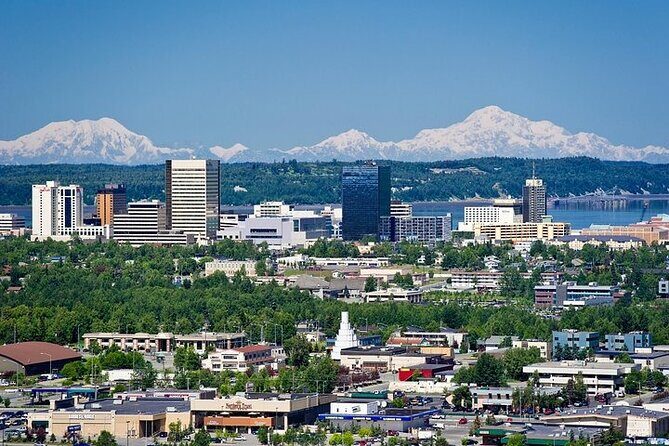
You meet at 509 W 3rd Ave, Anchorage, AK 99501, with the tour starting at 8:30 am. The day ends back at that same meeting point, which is useful if you’re planning the rest of your trip afterward.
That small-group setup matters more than people think. With a group limited to 14, the guide can actually talk to you, not just broadcast. When I’m doing tours in Alaska, I like having that flexibility because the conditions outdoors can shift quickly.
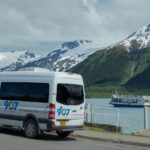
You’ll also ride in an air-conditioned vehicle. That sounds basic, but Anchorage weather can swing from cool to warm, and having AC helps keep the day comfortable before you head out again. Plus, it’s an English-language tour and uses a mobile ticket, so you won’t be hunting for paper confirmation.
Stop 1: Ship Creek Salmon and Anchorage’s Founding Story
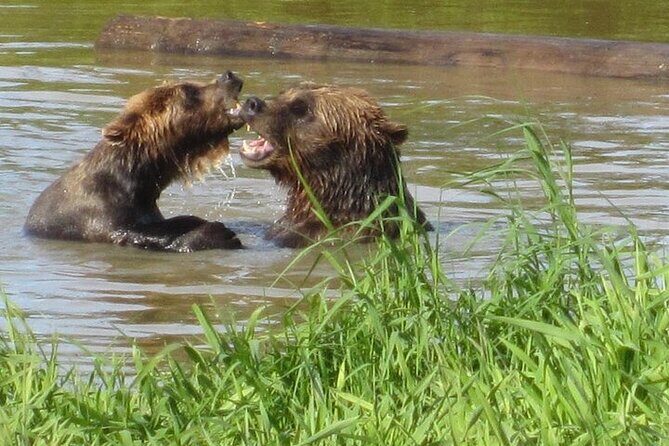
The morning begins at Ship Creek, where you can watch salmon running up the river during the summer months. This is one of those Anchorage moments that snaps the whole landscape into focus: Alaska isn’t just scenery, it’s systems—water, food chains, and seasons working together.
Even if you only catch part of the run, the guide’s story about Anchorage’s founding history helps connect why this area matters. The stop is about 20 minutes, and it’s long enough to get your bearings and learn what you’re seeing before moving on.
What I’d do: wear a layer you can take on/off fast. River air can feel cooler than you expect, and you’ll want to stand still for a bit while looking for fish.
Stop 2: The Ulu Factory and Why This Knife Matters
Next up is The Ulu Factory, where you’ll see traditional ulu knives made and learn how these tools reflect Alaska’s culture. The ulu is more than a souvenir idea. It’s a practical design built for everyday work, and that practical angle is what makes this stop feel meaningful.
You’re there for about 20 minutes, and it doesn’t try to turn this into a lecture hall. Instead, it’s a short look at craft, function, and how people use tools shaped by local life.
Possible drawback: if you’re not interested in food-prep tools or traditional crafts, this may feel more educational than “wow.” But even then, it’s a good pause in the middle of a wildlife-heavy day.
Stop 3: Earthquake Park and the 1964 Elevation Drop
Then comes Earthquake Park, where you’ll see a clear example of land shifting from the 9.2 earthquake in 1964—including a notable two-story drop in elevation and rolling land described as about six feet.
This stop turns a historical event into something you can actually look at. It’s one thing to read about earthquakes; it’s another to stand near visible changes and hear how the guide explains the devastation and aftermath.
It lasts about 20 minutes, which works well here. You want enough time to understand the scale without letting the day get heavy. Also, it’s a good reminder that Alaska’s dramatic scenery is often tied to geology, not just weather.
Other city tours we've reviewed in Anchorage

Stop 4: Point Woronzof Views and the Moose Odds
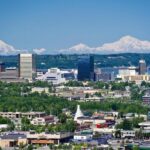
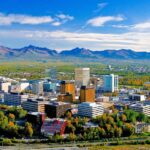
From Earthquake Park, you shift into one of Anchorage’s best “scan the horizon” situations at Point Woronzof. The views can be jaw-dropping: Anchorage, Denali, the Talkeetna Mountain Range, and the Chugach Mountain Range are all in the mix depending on conditions and visibility.
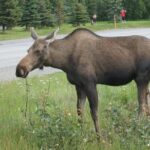
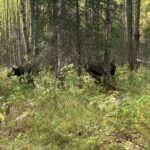
Here’s the practical wildlife detail: there’s always a 65 percent chance to see a moose. That’s not a guarantee, but it’s a strong incentive to take this stop seriously. Bring patience, look slowly, and don’t rush your photos. Moose can be small at long distances until you notice movement.
My tip: if you’re the type who skips viewpoints quickly, don’t here. This is the stop where your odds of seeing wildlife increase because you’re in the right spot, at the right time, with a guide steering your attention.
Stop 5: Lake Hood Harbor and Watching Seaplanes Work
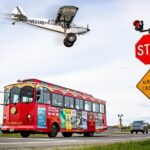
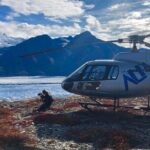
Next is Lake Hood Harbor, known as the world’s largest and busiest seaplane base. This is one of the most “Alaska in motion” experiences on the itinerary. Instead of imagining how people travel, you watch it happen: small aircraft take off and land on the water, framed by big scenery.
The stop is 20 minutes, and it’s worth it even if you don’t care about aviation details. There’s a rhythm to watching pilots work and seeing how the region depends on air travel.
One important note: admission ticket isn’t included for this stop. That doesn’t mean the stop is useless—it just means if you want any paid entry component at the site, you’ll need to plan for that extra cost. Since no prices are given, check what’s required when you book.
Stop 6: Alaska Sausage and Seafood Sampling the Local Way
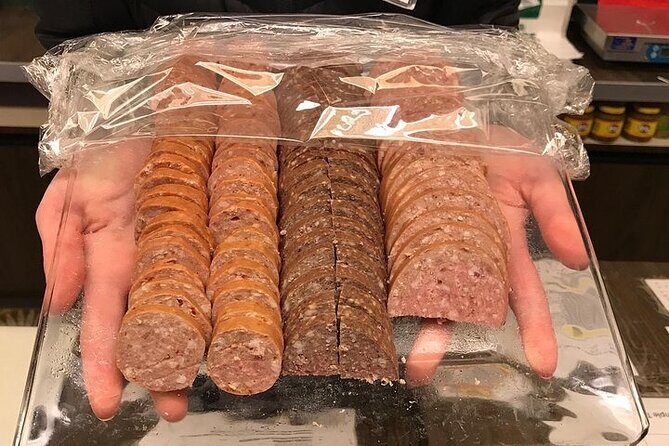
At Alaska Sausage and Seafood Company, you’ll get to taste Alaska. The plan includes samples of four types of salmon and reindeer sausage. That’s a lot of variety for one stop, and tasting is the most efficient way to learn what local flavors actually feel like in real life.
If this location is closed, the tour substitutes with another Alaskan shop. That’s a useful detail because it reduces the chance that you lose the tasting portion to timing issues.
This stop is about 20 minutes, which means you should come hungry or at least be willing to snack lightly before. Even if you’re not a big seafood person, salmon tasting is often eye-opening because the flavors can differ more than you’d expect.
Stop 7: Alaska Wild Berry Products and Wolfberry Chocolate
Then you head to Alaska Wild Berry Products, where you can see what they describe as the world’s largest chocolate waterfall, plus taste chocolates made from wolfberries picked by locals.
This stop is 30 minutes, which gives you time to watch the chocolate feature, sample products, and decide what you actually want to buy. And yes, this is one of those places where you may end up bringing home something sweet and weirdly Alaska.
Why it’s worth your time: wolfberries aren’t as common as blueberries, and tasting helps you understand how local ingredients shape local food culture. It’s not just candy; it’s regional identity.
Stop 8: Scenic Waterfalls View Point with a Wildlife Chance
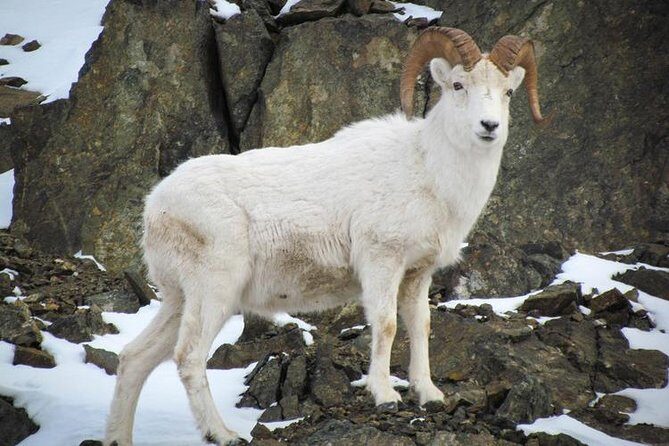
The day continues with Scenic Waterfalls View Point around Turnagain Arm, described as a particularly beautiful part of Alaska. This is where you get another chance for wildlife: there’s potential to see Beluga whales, plus Dahl sheep on the mountains, along with waterfalls.
This stop is about 30 minutes. And since the viewing includes animals, what matters is calm observation. Don’t expect a guaranteed show. Focus on the guide’s guidance and the areas they point out.
Practical note: keep your camera ready but also keep your eyes working. Belugas can surface briefly, and movement matters more than perfect timing.
Stop 9: Alaska Wildlife Conservation Center (2 Hours) for Real-World Conservation
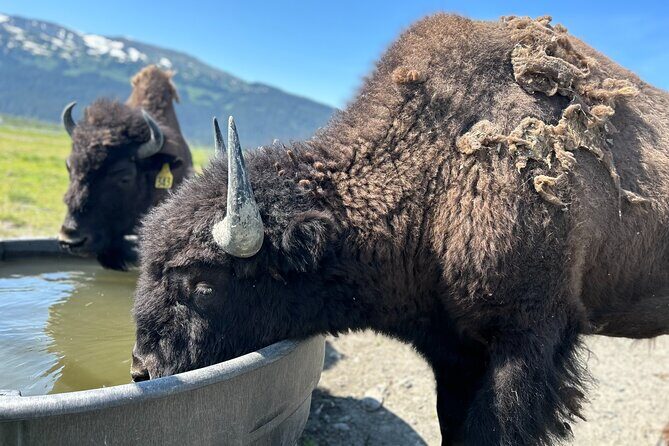
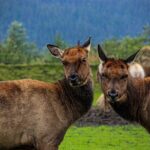
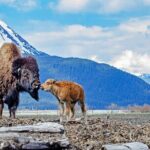
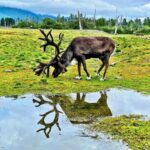
Now you shift into the heart of the wildlife theme: the Alaska Wildlife Conservation Center. This sanctuary cares for native wildlife, including rescued animals such as bears, moose, and eagles. The whole point here is rehabilitation and education about conservation efforts in Alaska.
This stop is about 2 hours, so it’s your longer, slower moment of the day. You’re not just looking at animals like they’re an exhibit. The setting is described as expansive natural habitats designed for rehabilitation and education, which helps you understand the center’s mission.
What I like about this stop: it balances the excitement of spotting wildlife with the reality that animals often arrive here because something went wrong. That context makes the day feel more grounded.
If you only see animals at wildlife-view points outside, you’ll miss the conservation message this place emphasizes. If you care about doing more than checking boxes, you’ll appreciate the extra time.
Stop 10: Portage Valley, Glaciers, and Floating Icebergs
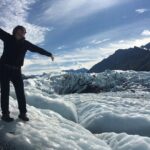
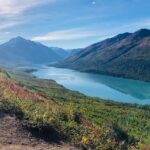
The last big stop is Portage Valley, located in the Chugach National Forest. This section is described as a scenic corridor of glaciers, wildlife, and trails, leading to Portage Lake and its floating icebergs.
This part runs about 2 hours, and it’s a different kind of beauty than the urban viewpoints earlier in the day. The focus is on wilderness scale and what ice and water look like together.
What to expect: you’ll likely spend more time walking or moving around compared to the earlier 20-minute stops. Bring good footwear and plan for cool air.
Also, keep expectations flexible. Portage Valley is about scenery plus the chance to see wildlife, but it’s still the outdoors—weather and light can change how the day feels.
Price, Value, and What You Still Need to Budget
The tour costs $169 per person and runs for about 7 hours. For Anchorage, that price can make sense when you add up what you’re actually getting.
What’s included:
- Local guide
- Entry fees
- Air-conditioned vehicle
- Samples of Alaska salmon and reindeer sausage
Not included:
- Lunch
- Lake Hood Harbor admission ticket (listed as not included)
So the value comes from avoiding the hassle of piecing together multiple paid stops and local experiences yourself. You’re paying for guided timing, entry, and a chunk of food sampling that you’d otherwise have to shop for separately.
My budgeting advice: plan on handling lunch on your own. Since you’re busy for most of the day, choose a simple lunch plan near wherever you’ll be after the tour, or bring a snack that fits your taste. If you prefer a fuller meal, don’t assume it’s covered.
Who This Tour Fits Best (and Who Might Want Something Else)
This tour fits best if you want:
- A tight Anchorage introduction with a guide doing the storytelling
- A mix of wildlife viewing and conservation context
- Local food tasting without the guesswork
It may be less ideal if you hate traveling between stops or you’re looking for a completely free-form day with long, uninterrupted hiking. The structure here is efficient, but it’s still a full itinerary.
Given the educational and entertaining vibe and the guide’s passion, it’s a great fit for first-timers and for anyone who wants to learn while still having fun.
Should You Book This Anchorage Wildlife and Conservation Tour?
Book it if you like your Alaska day trip with purpose: salmon + history + views + conservation, all without needing to plan a complicated route. The best reason is the combination of wildlife odds and real conservation education, especially with the dedicated time at the Alaska Wildlife Conservation Center. Also, the guide experience matters here, and a guide like Matthew can turn short stops into real understanding.
Hold off if you’re only after one thing (pure hiking, or a single wildlife moment) and you don’t want a structured day with multiple quick stops. And if weather is turning rough, remember this experience requires good weather, so be ready for rescheduling or a refund if it can’t run safely.
FAQ
How long is the tour?
The tour lasts about 7 hours (approx.).
Where does the tour start, and what time does it begin?
You start at 509 W 3rd Ave, Anchorage, AK 99501 and the start time is 8:30 am. The tour ends back at the meeting point.
What’s included in the price?
The price includes a local guide, entry fees, air-conditioned vehicle, and samples of Alaska salmon and reindeer sausage. Lunch is not included.
Is Lake Hood Harbor included in the ticket price?
Admission ticket for Lake Hood Harbor is not included, so if there’s an entry component you want, you’ll need to cover it separately.
What wildlife chances can I expect?
At Point Woronzof, there’s always a stated 65 percent chance to see a moose. At the scenic waterfalls viewpoint near Turnagain Arm, there’s a chance to see beluga whales and Dahl sheep. The conservation center is designed for rescued native wildlife encounters.
What language is the tour offered in, and do I get a mobile ticket?
The tour is offered in English and it uses a mobile ticket.
What is the cancellation policy?
You can cancel for a full refund up to 24 hours before the tour start time. If it’s canceled due to poor weather, you’ll be offered a different date or a full refund.