REVIEW · ANCHORAGE
Dog Sledding Adventure in Willow, Alaska
Book on Viator →Operated by Alaskan Husky Adventures · Bookable on Viator
Hit the snow with huskies and Denali views.
This Willow-area dog sledding adventure pairs real mushing with a family-run kennel vibe, plus Iditarod-bred dogs and private trail scenery that can include views of Denali.
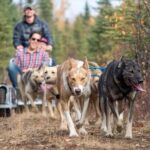
I especially like that you get hands-on time—meet the huskies, learn how to harness the team, and ride with Dane (one of the named guides) calling the shots. I also like the small group size (max 4), which means more time for pictures, questions, and dog hugs without feeling herded.
One thing to consider: it can get seriously cold, and even with added gear you’ll want to plan for numb fingers and toes if temperatures drop.
In This Review
- Key highlights worth showing up for
- Dog sledding in Willow, Alaska: what makes this ride feel real
- Price and timing: is $175 worth it for 1.5 hours?
- Where you meet in the Anchorage area (and why it helps)
- Gear check: parkas help, but cold hands are real
- From safety briefing to harnessing huskies: the part most people remember
- The sled ride: private trails, Denali views, and photo stops
- Mount McKinley stop: how it fits into the ride
- Iditarod stories with Dane (and the owners)
- Safety, comfort, and why the small group matters
- Who should book this dog sledding adventure (and who should plan extra for the cold)
- Should you book Alaskan Husky Adventures in Willow?
- FAQ
- Where is the meeting point for the dog sledding adventure?
- How long does the experience last?
- What’s included in the price?
- How many people are in each group?
- What happens if the weather is poor?
- What is the cancellation policy?
Key highlights worth showing up for
- Meet and harness Iditarod sled dogs before you ride
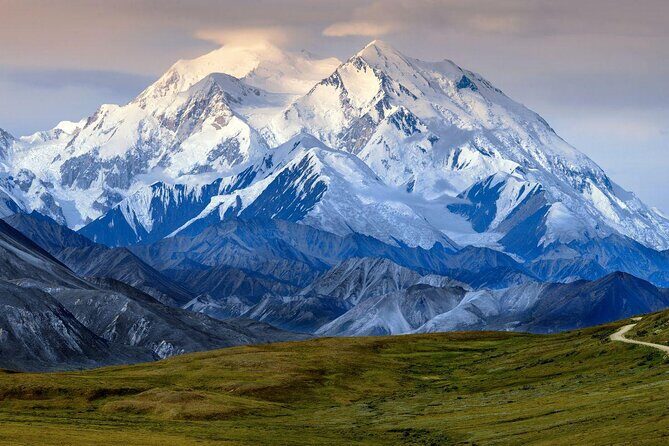
- Private trails with Denali views (wide-open snowy scenery, more than a quick loop)
- Small group limit of 4 for a calmer, more personal experience
- Loaner winter parkas + hot drinks and snacks to warm up afterward
- Iditarod storytelling led by Dane and the team for context beyond the thrill
Dog sledding in Willow, Alaska: what makes this ride feel real
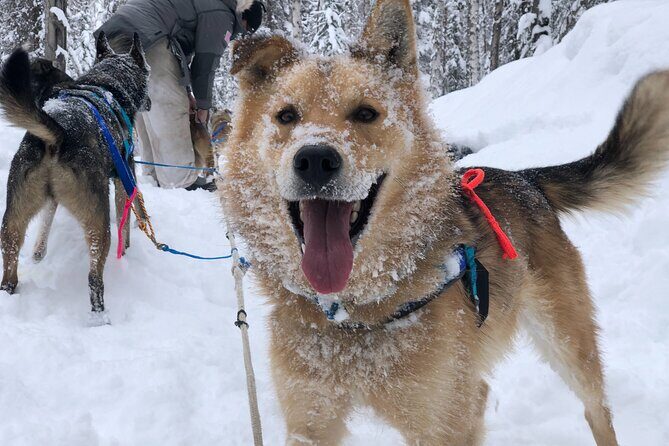
This isn’t the kind of tour where you meet a dog, snap a photo, and move on. The vibe here is closer to spending time with a working kennel—because you do more than sit in the sled. You meet the huskies, learn what’s going on, and help with the harnessing so you understand the teamwork behind the motion.
The group stays small (up to 4 people), which matters more than you’d think. It’s easier to hear instructions, easier to take your time with photos, and you’re less likely to feel like you’re in the way while the dogs do their thing.
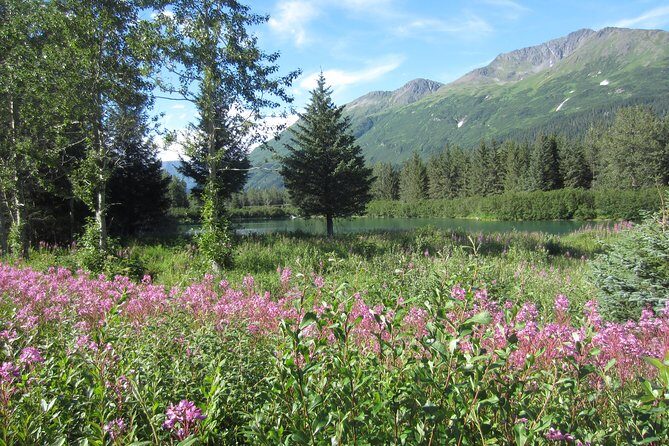
Then there’s the scenery. You’re not just sledding around “some snow.” The ride runs across private trails with Denali views a big part of the pitch. Even when the day is cloudy, the contrast of white snow, dark trees, and open sky gives you that classic Alaska feeling.
Finally, you’re in the hands of an experienced musher. A guide named Dane is called out in multiple accounts as the person who drives and explains how everything works, with Iditarod history folded in—not just as trivia, but as a reason the dogs are treated like serious athletes.
Other dog sledding adventures weve reviewed in Anchorage
Price and timing: is $175 worth it for 1.5 hours?
At $175 per person for about 1 hour 30 minutes, this is not a bargain-basement activity. But the value looks solid when you add up what’s included and how the experience is structured.
You get:
- the dog sled ride
- loaner winter parkas
- hot beverages and snacks
- time to meet and interact with the dogs
- instruction and safety briefing
That inclusion matters because winter gear and hot drinks aren’t free on your own, and you’ll be using both right away. Also, the small group limit means you’re paying for access to a team of working dogs and a musher-led ride, not just a seat in a big van.
The “short” duration is actually a plus for many people. You can fit this into a day trip plan in the Anchorage/Willow area, without committing to a full half-day outing. Just remember: you’ll still need to dress for the cold before you ever reach the sled.
One practical note: this experience is offered in English, and you’ll receive confirmation at booking, so you can plan around the start time.
Where you meet in the Anchorage area (and why it helps)
The meeting point is listed as 18408 W Reynolds Rd, Wasilla, AK 99654. The activity ends back at the same meeting point.
That round-trip setup is handy. You don’t need to worry about being dropped somewhere with no way back. It also makes planning easier if you’re already basing yourself in the Anchorage area—Wasilla is part of that broader region people use when they want “away from the city” without going full remote.
Tours also run with a mobile ticket, which is convenient in cold weather when you might not want to pull out paperwork.
If you’re driving yourself, I’d still build in extra time. In winter, the roads can be fine one day and slow the next, and you do not want to rush your layers or your gloves.
Gear check: parkas help, but cold hands are real
They provide loaner winter parkas, and that’s a big deal. A parka is not the same as a light jacket, and you’ll feel the difference when the wind hits. You also get hot drinks and snacks afterward, which helps you warm back up fast.
Still, don’t treat the included gear as permission to underdress. Multiple accounts emphasize the cold—one person described conditions around -5 and said their hands and toes were freezing even with gloves and layered socks. Another highlighted that they provided extra winter protection when needed.
Here’s what you should do to stack the odds in your favor:
- Layer under the parka even if you think you’ll be warm
- Focus on warm footwear and socks (this is where people get surprised)
- Plan for hand warmth, not just body warmth—your gloves should fit well and cover fully
- Bring a mindset that you’ll want to warm up afterward, because you will
If you’re the type who tends to feel cold easily, treat this as a “dress for the worst, hope for the best” outing.
From safety briefing to harnessing huskies: the part most people remember
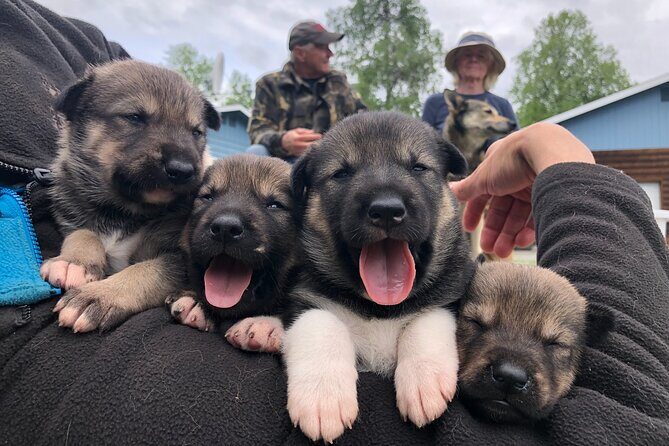
The experience is built around hands-on mushing culture. You’ll meet the huskies first, then you’ll help harness the team. That turns the ride from a passive activity into something you participate in—at least at the level of understanding what keeps the team together and moving.
There’s also a safety briefing before you go. People describe feeling taken care of and safe, and the tour is structured so you know what to expect when the sled starts moving.
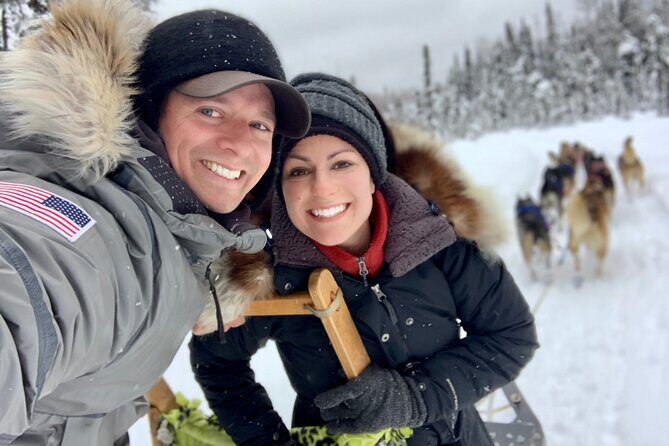
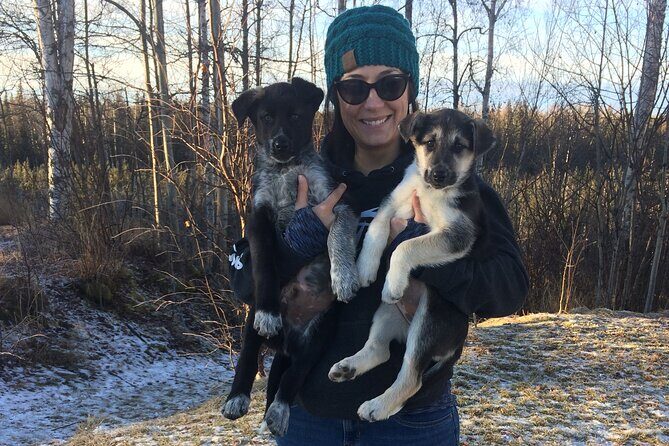
One of the most loved details is the interaction time. People mention being able to take pictures at their own pace and getting close enough for the kind of friendly moments huskies are famous for—like fur kisses and that playful energy that makes them seem curious rather than intimidating.
And yes, the ride itself brings excitement. One family described a bit of a roller-coaster feel thanks to curves and dips, which is part of the charm if you’re okay with motion.
A final detail that matters: you’re not stuck watching from behind glass. You can often adjust your position—several accounts note options like sitting, standing, or even running the brakes depending on comfort level. That makes the experience feel more like a guided event than a thrill ride.
The sled ride: private trails, Denali views, and photo stops
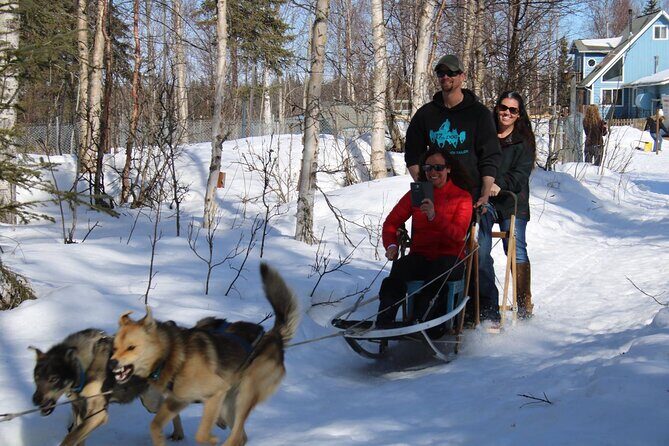
Once you’re hooked in, the team takes off and the sled glides over snow in a way that’s both smooth and thrilling. If you’re picturing a slow “tour bus in winter,” shift that expectation. It has speed, it has turns, and it has the physical sensation of real mushing behind it.
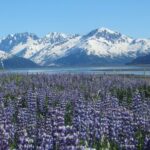
Scenery is a major selling point. The route runs across private trails with Denali views, and people describe wide-open snowy spaces that feel dramatic—more “movie Alaska” than “just trees and snow.” That matters for photography too, because open views give you better angles and more than one good spot.
You’ll also have time for pictures and a chance to switch positions. Accounts mention stopping a few times—both to enjoy scenery and to give dogs a break, plus to rearrange your viewing spot. Those pauses don’t slow the day as much as you might fear. They actually make the ride feel less rushed.
One more small but important point: with a group capped at 4, you’re less likely to have someone blocking your shot. It sounds minor until you’re standing in the cold holding a camera and everyone is trying to get the same angle at once.
Mount McKinley stop: how it fits into the ride
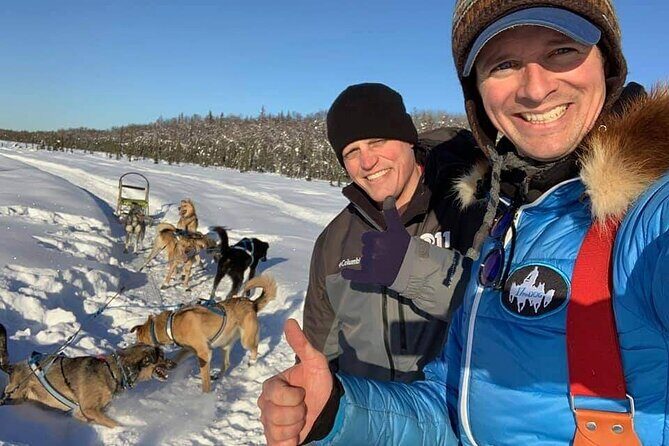
The itinerary lists Stop 1: Mount McKinley. In practical terms, that means you’re not just riding continuously until the clock runs out—you’ll get at least one moment where the trip centers on a specific viewpoint.
For most people, that stop is the payoff moment: you can step back, take in the view, and get your photos without the sled moving underneath you. It also helps the ride feel like an outing with meaning, not just transportation from A to B.
A quick tip: if the sky clears, treat the view like it’s the main event. Dress for stillness as well as movement, because you may be out taking photos when you’d normally be moving and generating body heat.
Iditarod stories with Dane (and the owners)
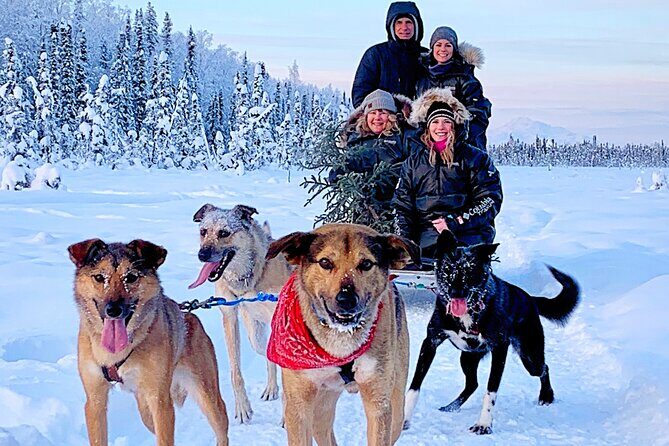
What turns this from a fun ride into a memory is context. The guide experience is tied to Iditarod mushing culture, including history and what it takes to run a sled team.
A guide named Dane is mentioned as delivering an Iditarod history lesson and explaining how everything works, plus sharing personal experience in dog sledding. That “why” adds depth, especially if you’re traveling through Alaska and want more than just the thrill.
There’s also an owner presence in some moments—one person notes that the owner came out to share background on how they opened before sledding. Another mentions receiving the ride from one of the owners. These details reinforce that this is a family-run kennel, not just a front desk and a contractor.
And you’ll feel it in the way the dogs behave. Multiple accounts say the dogs are clearly cared for and love running. Friendly behavior shows up too—people describe dogs being welcoming, disciplined in their work, yet still up for petting and selfies.
Safety, comfort, and why the small group matters
Safety isn’t just a checkbox here. People mention a safety briefing and a sense that the staff knows what they’re doing, with instructions delivered before you move. You also get winter parkas, hot drinks, and snacks, which helps you stay comfortable enough to focus on the experience.
The small group cap of 4 travelers improves comfort in real ways:
- You get more individualized attention during harnessing and setup
- You’re not stuck in a long wait while multiple groups cycle through
- You can ask questions without time pressure
- You can take photos without constant repositioning around crowds
The ride includes a few curves and dips, so if you’re sensitive to motion, treat it like a bumpy snowy thrill. If you’re okay with that, you’ll probably enjoy the ride more because it feels lively, not staged.
Who should book this dog sledding adventure (and who should plan extra for the cold)
This suits a wide range of people because “most travelers can participate,” and the experience is family-friendly in tone based on how often couples, families, and solo travelers mention the day.
Book it if:
- you want hands-on dog sledding rather than a quick pass
- Denali views are part of your Alaska wish list
- you like the idea of meeting and harnessing the team, not just riding
- you prefer small groups and time to take photos
Plan extra carefully if:
- you run cold easily
- you have issues with glove fit or warm socks
- you’re expecting an all-slow-and-calm ride
One more reality check: you’ll need good weather for the experience. If conditions aren’t right, it may be rescheduled or refunded. Also, one account mentioned a time with less snowfall, though the experience still worked out. So don’t go in expecting a perfect winter postcard every minute—go in for the dogs, the mushing, and the day outdoors.
Should you book Alaskan Husky Adventures in Willow?
If your ideal Alaska day includes real working dogs, private trails, Denali views, and a small-group format, then this is a strong pick. The best part is that you’re not just watching—you’re helping harness the team, getting a safety briefing, and receiving Iditarod-focused context from guides like Dane.
The price is fair for what’s included: sled ride, loaner parkas, hot beverages, snacks, and guided time with the dogs. The main downside isn’t the ride—it’s the cold. If you dress aggressively warm and bring solid footwear and glove coverage, the experience reads as a top-tier winter adventure.
If that cold factor worries you, you can still do it, just plan like it’s a true winter outing, not a casual jacket day.
FAQ
Where is the meeting point for the dog sledding adventure?
You’ll meet at 18408 W Reynolds Rd, Wasilla, AK 99654, USA. The activity ends back at the same meeting point.
How long does the experience last?
The experience is listed as about 1 hour 30 minutes.
What’s included in the price?
Included items are the dog sled ride, loaner winter parkas, hot beverages, and snacks.
How many people are in each group?
This tour/activity has a maximum of 4 travelers.
What happens if the weather is poor?
This experience requires good weather. If it’s canceled due to poor weather, you’ll be offered a different date or a full refund.
What is the cancellation policy?
There’s free cancellation up to 24 hours in advance for a full refund. Cancel less than 24 hours before the start time and the amount paid is not refunded.