REVIEW · ANCHORAGE
From Whittier: Glacier Quest Cruise with Onboard Lunch
Book on GetYourGuide →Operated by Phillips Cruises & Tours, LLC · Bookable on GetYourGuide
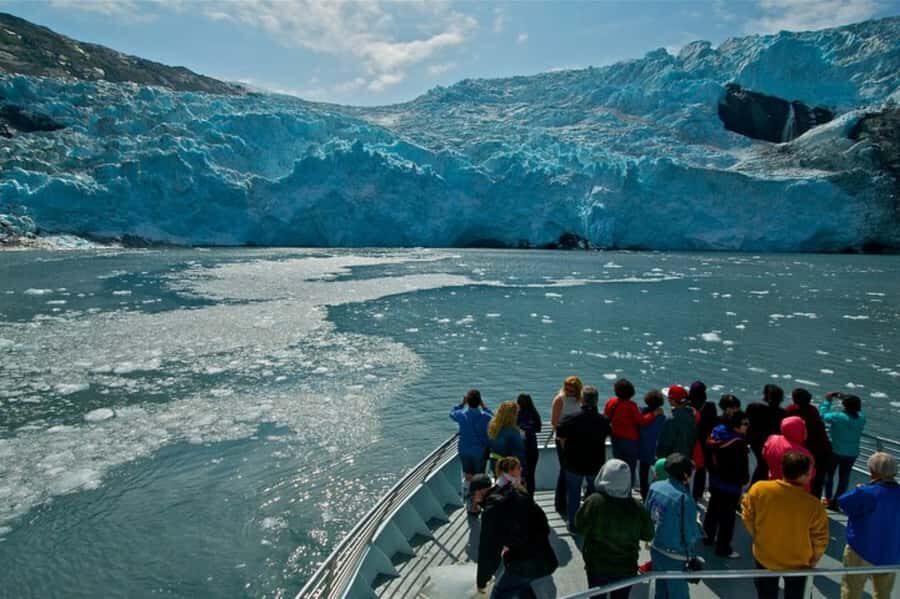
Calving glaciers sound like thunder. On this Whittier catamaran run, you get close-up tidewater glacier views and live ranger narration while cruising Prince William Sound.
The biggest bonus for me is how the boat experience stays comfortable and camera-friendly, even when weather shifts. A possible drawback is rain, mist, and fog can reduce visibility on some days.
You’ll cruise Blackstone Bay in a modern, secure, high-speed catamaran built for glacier country.
You’ll hear Prince William Sound stories from a Chugach National Forest Service ranger onboard.
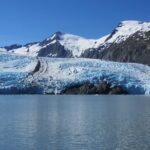
You can witness calving in real time as ice breaks off tidewater glaciers with thunderous impacts.
Lunch is included onboard (salmon chowder or vegetable chili) with plenty of sides and hot drinks/coffee or tea.
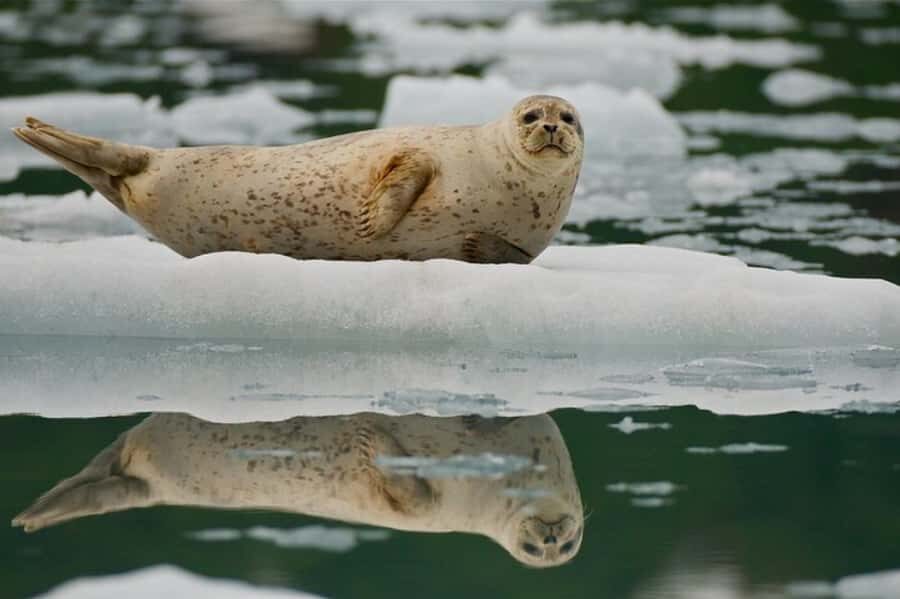
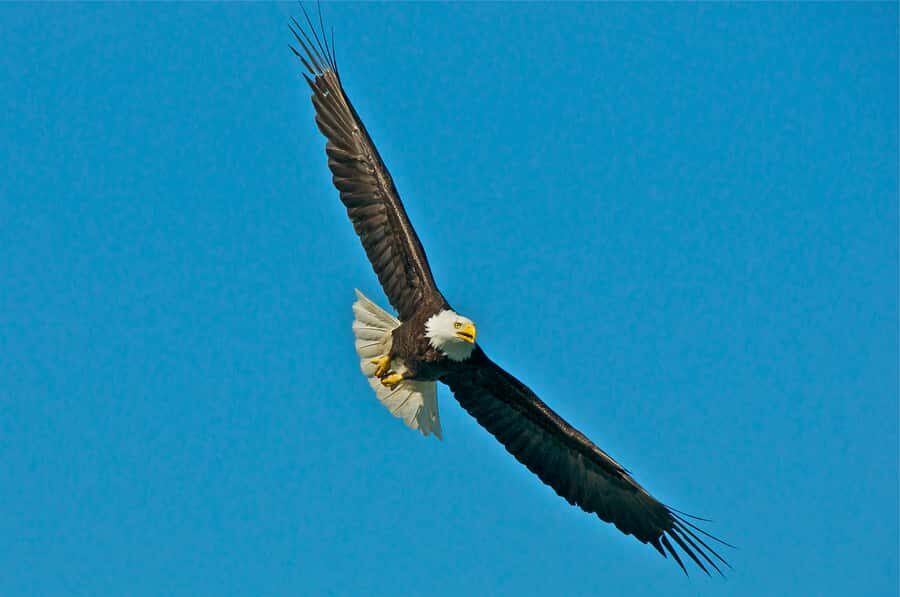
Wildlife spotting is part of the plan: sea otters, harbor seals, bald eagles, kittiwakes, and more.
You get practical onboard comforts, including restrooms and USB charging stations at every table.
In This Review
- Why Prince William Sound and Whittier make glacier watching feel real
- Getting to the boat: Whittier, the Anton Anderson Tunnel, and check-in timing
- Riding a high-speed catamaran into Blackstone Bay
- Blackstone Bay stops: panoramic glacier views and waterfalls
- Calving time: watching the ice crash with thunderous sound
- Wildlife spotting: sea otters, seals, eagles, and more
- Onboard lunch: salmon chowder or chili with a full set of sides
- What to pack (and what to leave behind) for Alaska weather
- Price and value: what $195 covers on this glacier cruise
- Should you book this Whittier Glacier Quest cruise?
- FAQ
- How long is the Glacier Quest Cruise with Onboard Lunch?
- What meal is included on the cruise?
- Who provides the narration during the cruise?
- Is transportation from Anchorage or Alyeska included?
- If I drive myself, how does the Anton Anderson Tunnel work?
- Where do I check in in Whittier?
- Are tripods and umbrellas allowed?
- Can I bring alcohol on the cruise?
- What wildlife might I see on this cruise?
Why Prince William Sound and Whittier make glacier watching feel real
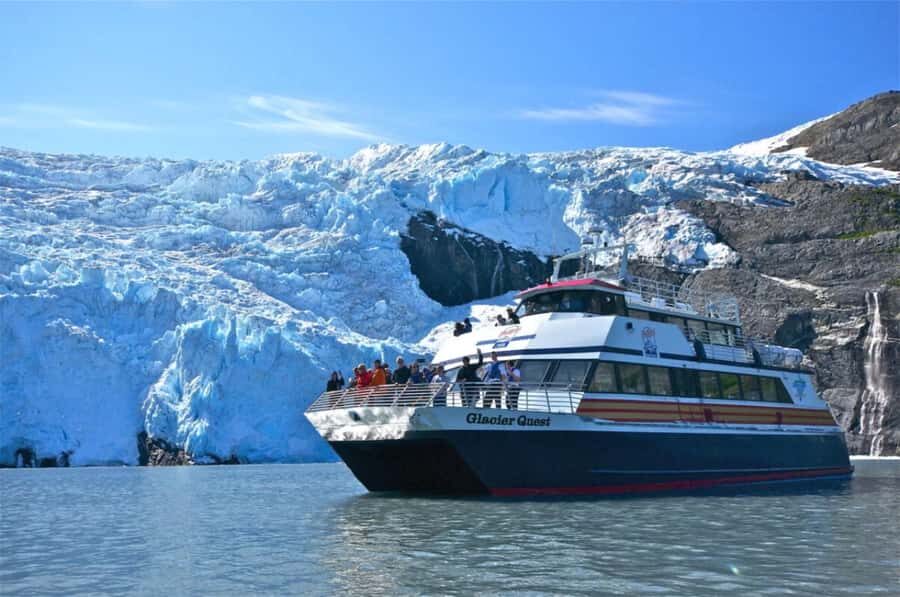
Whittier is one of those Alaska towns where you don’t have to work hard to reach the good stuff. You’re close to the water fast, and the cruise immediately starts treating glaciers like living, moving things—not museum objects.
The main reason this outing clicks is simple: you’re traveling by high-speed catamaran with live onboard narration. That combination helps you stay oriented—what you’re seeing, why it’s happening, and what to look for next. When a captain times the route well, you get that goosebump effect: you’re watching glacier fronts break into the sea, and you realize how big and active the ice actually is.
That live context also makes wildlife watching easier. If you know what the boat crew is scanning for—birds gliding overhead, seals hauled out, otters moving through the water—you’re more likely to spot something even on a gray day.
Getting to the boat: Whittier, the Anton Anderson Tunnel, and check-in timing
You’ve got three practical ways to start: round-trip coach from Anchorage or Alyeska (when selected), or you can drive yourself to Whittier.
If you’re self-driving, plan on the Anton Anderson Tunnel as a must-pass bottleneck. The drive from Anchorage to Whittier takes about 1.5 hours at best, and everyone has to go through that tunnel. A useful tip: there’s a recommended entry time of 11:30 AM for the one-way tunnel flow, and it’s open on the half-hour for earlier arrivals.
Once you reach Whittier, don’t wing it at the dock. Check-in happens at the Cliffside Marina and Phillips Cruises office, and you should arrive one hour before departure. In plain terms: arrive early enough that you’re not sprinting in cold wind with camera gear and gloves.
Also note what you can’t bring. There’s no luggage or large bags on board, and no strollers. Tripods and umbrellas are also not allowed. That means you’ll want a small personal bag and be ready to shoot handheld.
Other glacier tours and cruises weve reviewed in Anchorage
Riding a high-speed catamaran into Blackstone Bay
Once you board, the tone becomes “active sightseeing.” The captain navigates through ice-filled waters in a secure, modern catamaran, so you’re not just riding in a slow scenic boat. Expect a smooth ride, lots of windows, and a layout made for getting views instead of just sitting.
Many people love the practical onboard details: clean, spacious seating, spotless windows, restrooms onboard, and USB charging stations at every table. That matters more than you’d think in Alaska, because you’ll be out in cold air, then come inside to warm up and charge your phone for more photos.
As you head into the area around Blackstone Bay, the boat’s live narration helps connect dots quickly. You’ll hear why the fjord feels dramatic—how mountains feed ice down into the saltwater, and why tidewater glaciers behave differently than glaciers that end on land.
If you’re sensitive to motion, take heart. One rider specifically booked because the operator’s approach was expected to reduce sea sickness, and they said they were fine the whole trip. Another person noted the boat ride felt smooth. Still, dress warm and keep your expectations realistic: weather can shake up your comfort.
Blackstone Bay stops: panoramic glacier views and waterfalls
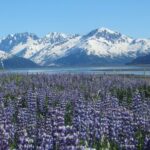
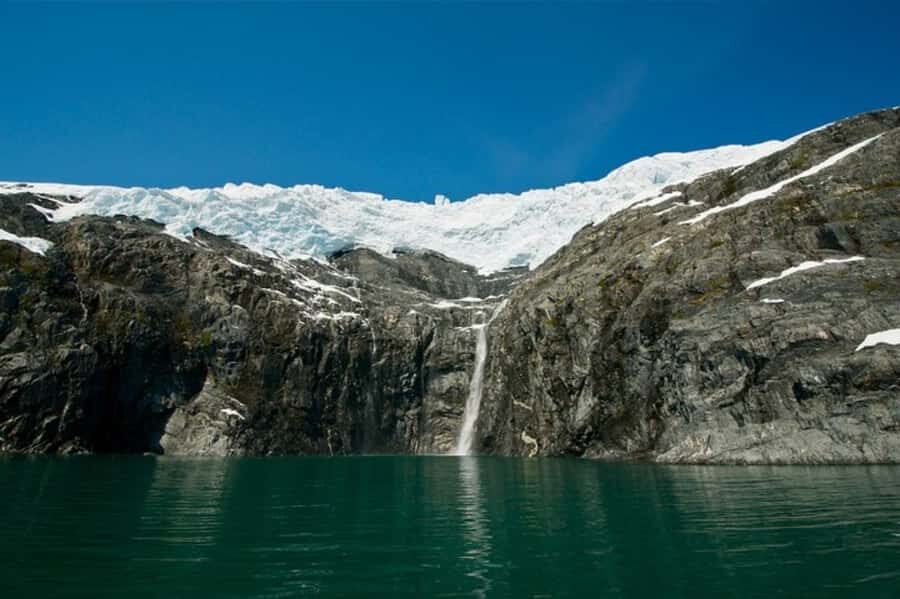
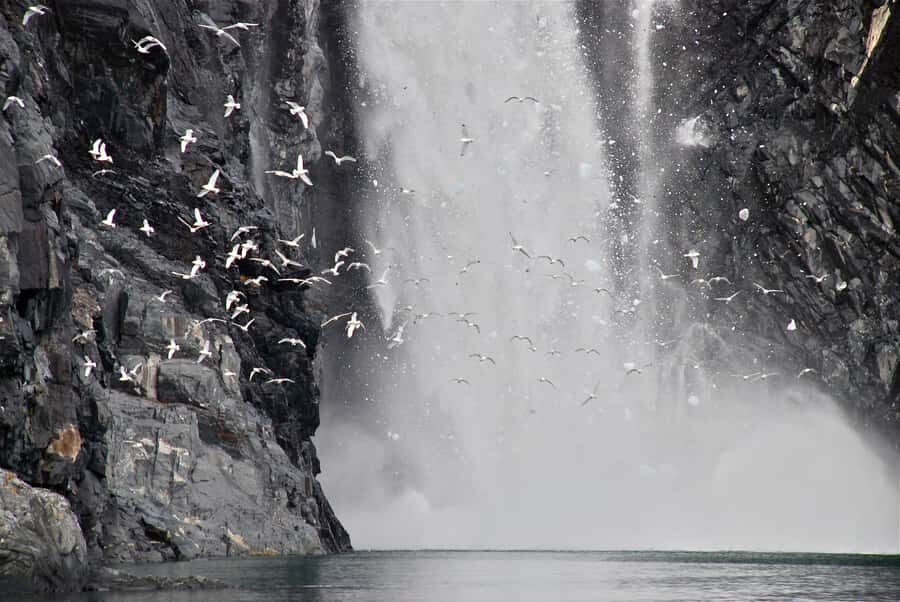
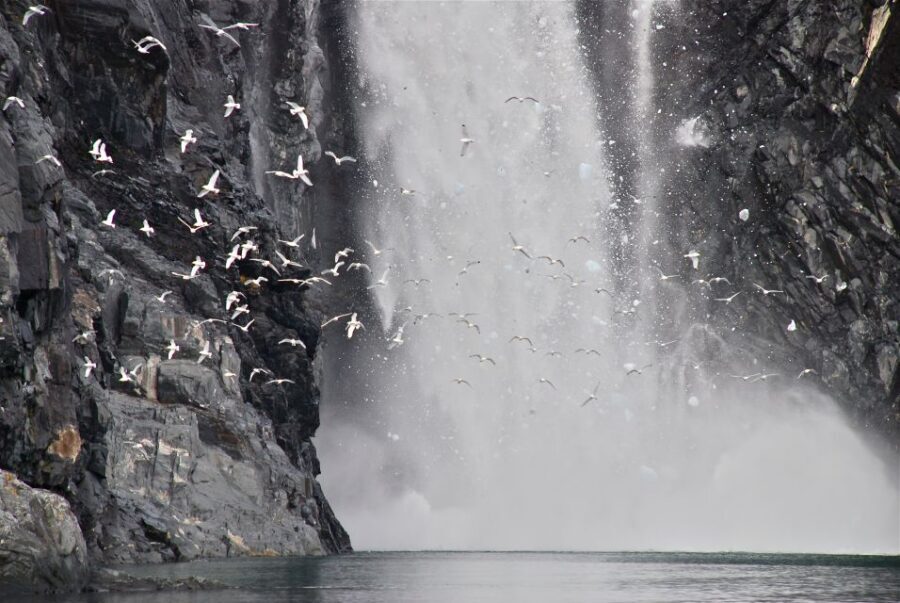
Blackstone Bay is the star setting. It’s a deep-water fjord where glaciers feed directly into the sea, and the scenery tends to throw you off balance at first: you see mountains, waterfalls, ice, and water all at once. The viewing angle is wide, especially when the boat works you into the right position.
You’ll usually be looking for:
- glacier fronts sliding or breaking at the waterline
- waterfalls coming off the surrounding slopes
- tidal movement that changes what you can see and how close you can safely get
On some days, the captain can position the boat for very close viewing, and you might even catch repeated calving moments at a named glacier such as Surprise Glacier. That’s the kind of detail that turns a good glacier cruise into a memorable one.
A quick word about pacing: there’s a chance you’ll feel you spend a lot of time with each glacier. One person thought the schedule lingered too long at each stop and suggested shaving cruise time would make it even better. If you’re the type who wants constant variety, keep this in mind.
Calving time: watching the ice crash with thunderous sound
This is the part most people remember. Tidewater glaciers don’t just look impressive—they act alive. When large chunks of ice break off, the sound can feel startlingly loud, and you’ll often watch ice tumble into the water before it settles into a rough, churning aftermath.
What makes this section special is that you’re not hearing about calving in theory. You’re seeing how quickly things can happen. One cruise participant described watching calving with everyone seated close enough to really feel it (and then hearing the crashes). Another person said the chance to be close to glacier calving was a major reason they booked.
Safety and distance still matter. The captain keeps you at a close but safe viewing zone, then adjusts as needed if ice shifts or conditions change. That’s why the live narration is useful—you’ll hear what the crew is watching for and why the boat might move.
Camera note: tripods aren’t allowed, so plan on handheld shooting. If you’re filming, use steady grips and rest your arms on the window ledge when possible.
Wildlife spotting: sea otters, seals, eagles, and more
The wildlife portion is real, not just a checklist. Your most consistent odds include:
- sea otters
- harbor seals
- bald eagles
- kittiwakes and migratory birds
And then there are the bigger surprises, depending on season and luck. Some departures have included sightings like humpback whales, sea lions, and even additional whale activity where the captain noticed a whale and adjusted the boat so people could try for another look.
One person highlighted that they saw humpback whales, bald eagles, sea otters, and sea lions. Another mentioned getting close to sea lions and seeing a rookerie. A few folks also said they were just lucky—sun breaks and clearer skies helped wildlife show up when they did.
You can improve your odds with simple habits:
- Scan the waterline for otters and seals moving.
- Look upward for eagles cruising and diving.
- Watch for birds collecting around points where fish might be near the surface.
If you don’t see whales or bears on the day you go, it doesn’t mean you missed the experience. Otters and seals can be enough to make the cruise feel like a real ecosystem, not a glacier slideshow.
Other Whittier glacier cruises and tours near Anchorage

Onboard lunch: salmon chowder or chili with a full set of sides
This tour stands out because food isn’t treated like an afterthought. During the cruise, you’ll have a hot meal plus drinks.
Meal choices:
- Wild Alaskan Smoked Salmon Chowder with oyster crackers, a fresh Julienne vegetable salad, multi-grain roll, cheddar cheese snack, a fruit snack, and a peppermint pattie
- Hearty Vegetable Chili with the same side set
- No meal requested if you’re traveling with an infant or if dietary restrictions can’t be accommodated by the standard options
- Kids Meal (ages 2–11) with an all-beef hot dog, potato chips, fruit snack, and peppermint pattie
Coffee or tea and water are included. The best practical advice: treat the included meal as a warm reset. Cold air + motion + wind can make you forget to eat until you feel shaky. Lunch takes care of that.
A nice bonus noted by passengers: some cruises include fresh baked cookies toward the end, which feels like a small upgrade when you’re finishing up your glacier time.
If you have dietary needs outside the listed options, the information says you can bring your own meal on board—just remember no alcohol can be brought on or taken off the vessels due to Alaska Liquor Laws. A full bar is available for purchase.
What to pack (and what to leave behind) for Alaska weather
You’ll get the best experience when you’re dressed for layers. The essentials listed are very on-point:
- Warm clothing
- Hat and scarf
- Gloves
- Comfortable clothes
- Waterproof shoes
Add a real-world mindset: even in summer, wind and sea spray can make you feel colder than you expect. One passenger said they hardly needed some of the warm gear they’d brought—so you might be fine with less. But don’t count on it. Alaska weather can flip fast.
Leave behind:
- Umbrellas (not allowed)
- Tripods (not allowed)
- Luggage or large bags (not allowed)
- Coolers (not allowed)
- Anything that could turn into a mess during boarding
- Strollers (not allowed)
One more practical detail: infants must sit on laps. Service animals are allowed.
Price and value: what $195 covers on this glacier cruise
At $195 per person, you’re not just paying for a boat ride. Included items that add real value include:
- High-speed catamaran glacier cruise
- Prince William Sound admission
- Hot meal onboard (salmon chowder or chili)
- Coffee or tea, plus water
- Live narration from a Chugach National Forest Service ranger
- USB charging stations at every table
- Restrooms onboard
That matters because glacier cruises can get pricey once you add admission, food, and guided interpretation. Here, you’re getting a guide component built into the boat time, not a separate add-on.
Also consider logistics value. If you choose the option that includes round-trip transportation from Anchorage or Alyeska, that can remove a big chunk of headache around driving timing, tunnel flow, and parking in Whittier.
What to budget extra for: bar drinks (since a bar is available for purchase), and any small shop items you might see around town after check-in.
Should you book this Whittier Glacier Quest cruise?
I think you should book if you want:
- Close glacier viewing in Prince William Sound, including chances to witness calving
- A guided element that helps you interpret what you’re seeing (ranger narration)
- A included onboard lunch that keeps the day comfortable
- Wildlife time built into the route, especially sea otters, seals, and eagles
You might skip it if:
- You’re sensitive to weather and visibility changes (rain and fog can blur the views)
- You prefer a faster schedule with less time tied to each glacier stop
If you’re planning a Whittier day and you care about doing the ice-water watching thing properly—on a fast, comfortable boat with real interpretation—this is the kind of cruise that makes the day feel full without feeling rushed.
FAQ
How long is the Glacier Quest Cruise with Onboard Lunch?
The duration is listed as 4 to 11 hours, depending on the starting time you choose.
What meal is included on the cruise?
The included meal options are Wild Alaskan Smoked Salmon Chowder or Hearty Vegetable Chili. Both are served with sides, including salad, multi-grain roll, cheddar cheese snack, fruit snack, and a peppermint pattie. Coffee or tea and water are also included.
Who provides the narration during the cruise?
You’ll get live onboard narration from a Chugach National Forest Service ranger.
Is transportation from Anchorage or Alyeska included?
Round trip transportation from Anchorage or Alyeska is included if you select that transportation option.
If I drive myself, how does the Anton Anderson Tunnel work?
Self-drive guests must travel through the Anton Anderson Tunnel. It’s recommended to use the 11:30 AM entrance to transit the one-way tunnel, and the tunnel is open on the half-hour for guests who want to arrive earlier.
Where do I check in in Whittier?
Proceed to the Cliffside Marina and Phillips Cruises office for check-in one hour before departure.
Are tripods and umbrellas allowed?
No. Tripods and umbrellas are not allowed on the trip.
Can I bring alcohol on the cruise?
No alcohol may be brought on or taken off the vessels. A full bar is available to purchase beverages.
What wildlife might I see on this cruise?
The listed wildlife includes sea otters, harbor seals, bald eagles, kittiwakes, and migratory birds. Depending on the season, you may also spot whales and bears feeding on migrating salmon.