REVIEW · ANCHORAGE
Matanuska Glacier Adventure Trek
Book on GetYourGuide →Operated by NOVA Alaska Guides, Whitewater Rafting & Glacier Tours · Bookable on GetYourGuide
That blue-white world can be right off the road. This Matanuska Glacier Adventure Trek is built for people who want more than the usual quick stop, with time to walk farther into the ice.
What I especially like is the 1:4 guide-to-client feel, plus the fact that the day is tailored to your group’s pace and goals. Guides like Thomas and Betsy (names that come up in real trips) focus on keeping everyone comfortable and moving smart.
The main consideration is that this is not a casual stroll. You’ll need the ability to hike 6+ miles and handle uneven, steep terrain, plus you should be ready for cold, wet glacier weather.
In This Review
- Key points at a glance
- Beyond the Ice-Falls: Why This Trek Feels More Real
- NOVA Alaska Guides and the 1:4 Experience Standard
- The 6-Hour Day Plan: What Happens Step by Step
- Starting at NOVA Alaska Guides
- The van ride and quick ramp-up
- Safety briefing (about 15 minutes)
- Guided glacier hike (about 5 hours)
- Return to camp
- What You’ll See on Matanuska Glacier (and Why It Matters)
- Gear, Cold Weather, and Your Packing List That Actually Helps
- Price and Logistics: Is $225 Worth It After the Park Fee?
- Who This Trek Suits Best (and Who Should Skip It)
- Small-Group Magic: How the Guides Keep the Day Fun
- Quick Facts You Should Know Before You Go
- Should You Book the Matanuska Glacier Adventure Trek?
- FAQ
- How long is the Matanuska Glacier Adventure Trek?
- Do I need prior experience to join this glacier tour?
- What level of physical fitness is required?
- What is included in the price?
- Is the Matanuska Glacier Park entrance fee included?
- How much is the Glacier Park entrance fee?
- Can I bring a drone?
- What are the meeting point details?
Key points at a glance
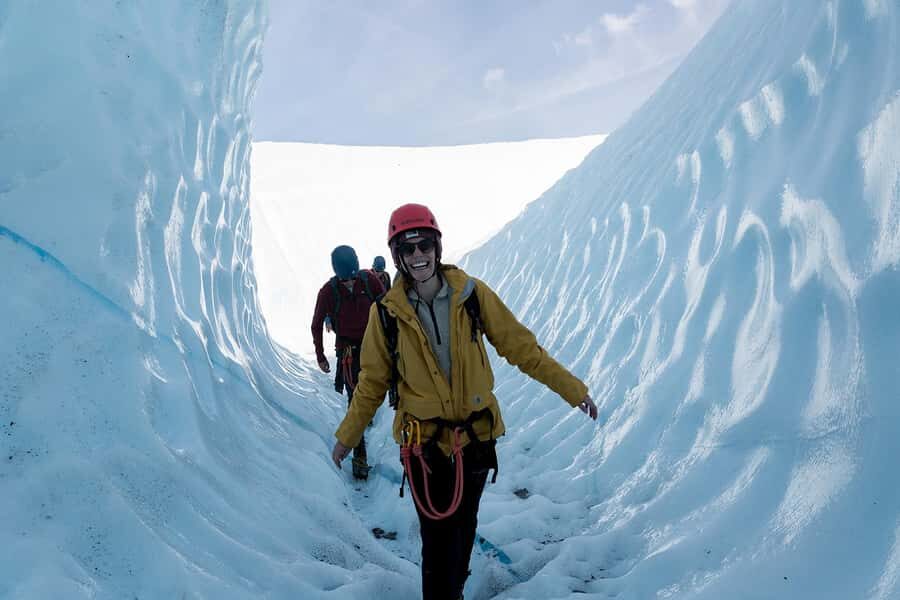
- Go past the ice-falls area to reach deeper, harder-to-reach glacier features away from the main crowds
- Small groups (1:4) with a guide who adjusts the route to your ability and comfort level
- No experience required, but you do need real stamina for uneven, steep walking
- All gear provided, with a strong focus on safety and fit
- Expect an intense, intimate day on the glacier, not a quick photo loop
Beyond the Ice-Falls: Why This Trek Feels More Real
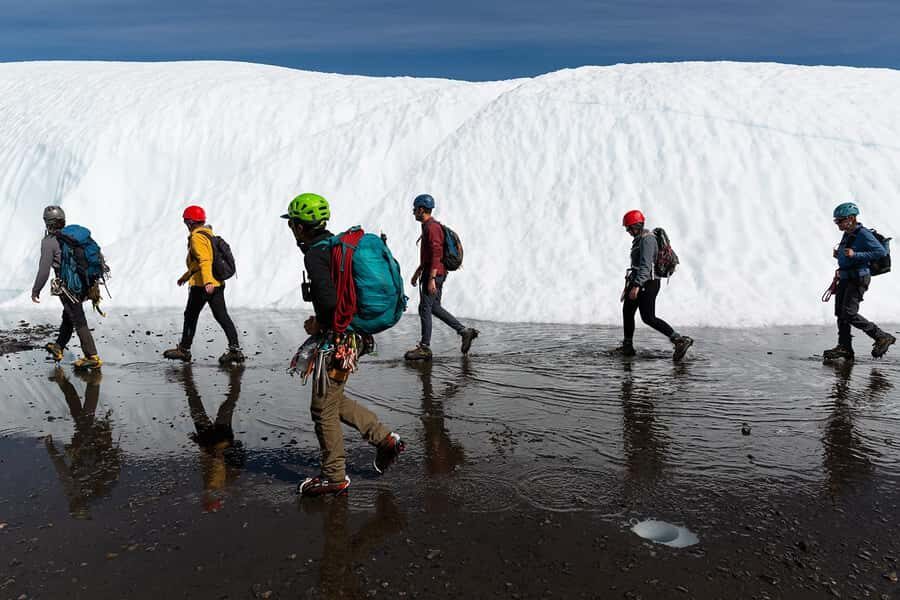
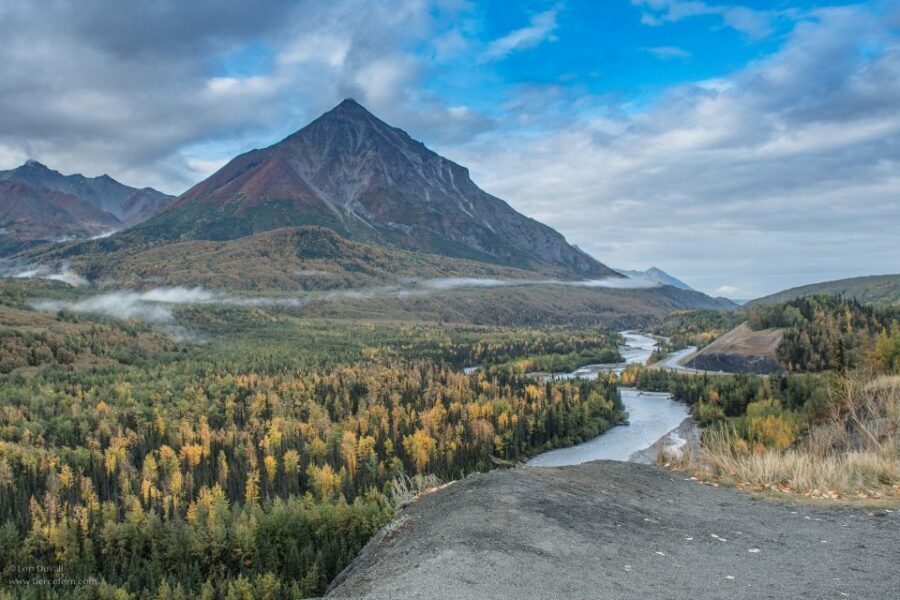
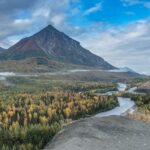
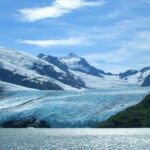
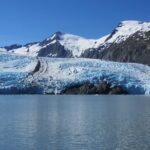
The Matanuska Glacier is one of Alaska’s most accessible glaciers by foot, but that doesn’t mean it stays the same for long. It’s a massive, advancing valley glacier about 26 miles long in the rugged Chugach Mountains, roughly 100 miles north of Anchorage. During the summer, it keeps shifting and reshaping itself, so what you see depends on the glacier’s current mood.
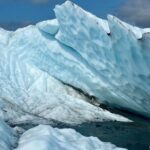
This trek’s big promise is simple: you don’t just stop at the familiar “ice-falls” zone. You go farther out toward the glacier’s “heart,” where features can be more personal, more dramatic, and often less crowded. For you, that usually means fewer rushed photos and more time actually noticing the ice: the textures, the melt patterns, and the way crevasses and formations change with weather and time.
One more practical thing: routes beyond the main area tend to feel more like a true glacier walk than a stop-and-go excursion. The day has more hiking time, and that’s exactly what makes it memorable.
Other Matanuska Glacier hikes and tours weve reviewed in Anchorage
NOVA Alaska Guides and the 1:4 Experience Standard
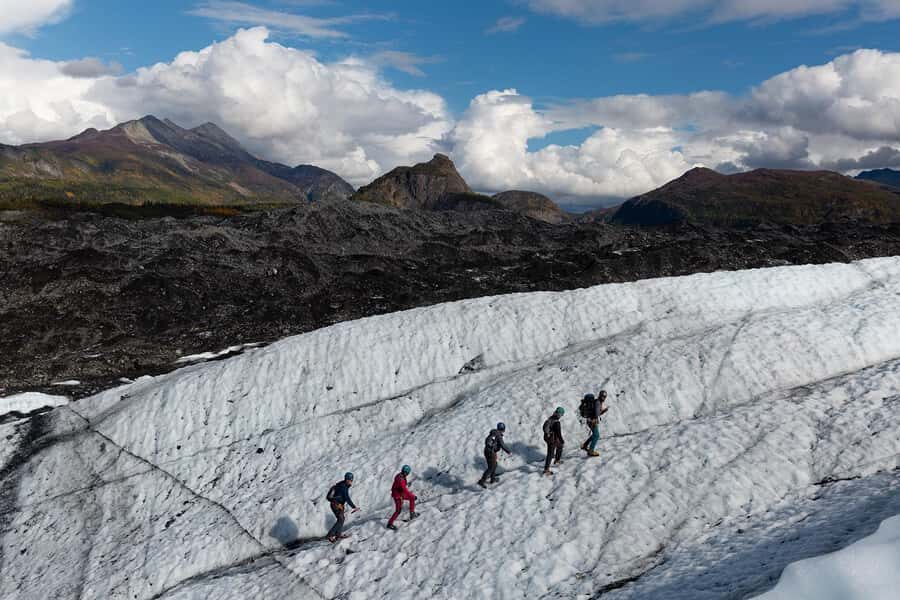
This is run by NOVA Alaska Guides, Whitewater Rafting & Glacier Tours, the original guiding company on the Matanuska Glacier, founded over 35 years ago. That matters because glacier days are not just about scenery. They’re about reading conditions, managing pace, and keeping people safe on uneven ground.
The guide-to-client ratio is 1:4, which is a real advantage when you’re on glacier terrain. With smaller groups, you get better attention during the tricky bits: footing changes, steep inclines, and any moment where you need a quick check-in.
The reviews also point to guide energy that feels supportive and steady. Guides such as Thomas and Betsy are described as friendly, professional, and focused on making sure people in the group actually get to enjoy the hike, not just survive it. If that’s your style, this format is likely a good match.
Also, this outfit has a no-drone policy on the glacier. You might not think about drone rules until you’re there, but it’s important: it protects the glacier experience for everyone (and avoids the headache of show up-and-find-out changes).
The 6-Hour Day Plan: What Happens Step by Step
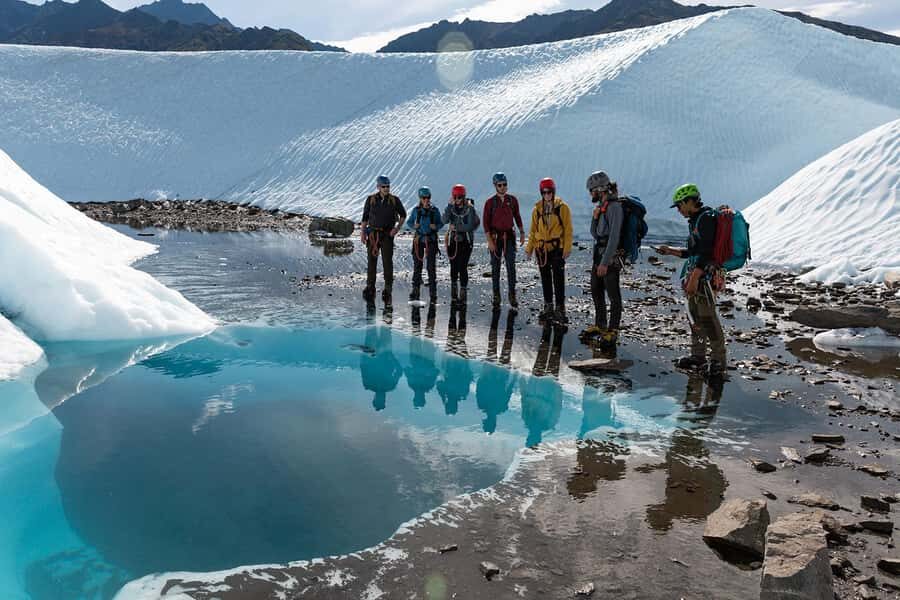
This trek runs about 6 hours total, and the flow is built around safety briefing first, then a long guided walking stretch. Here’s what you can expect at each stage, and what it means for your day.
Starting at NOVA Alaska Guides
You start at NOVA Alaska Guides, with the meeting location at Mile marker 96.5 Glenn Hwy. Turn into Trailhead Rd at Hick’s Creek bridge, loop under the bridge, and follow the driveway to the camp entrance.
Why that matters: glacier tours lose time when everyone is late or confused. The clearer the meeting point, the less stress before you even step on ice.
The van ride and quick ramp-up
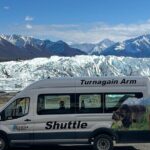
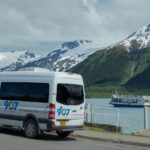
There’s a short van transfer—about 15 minutes—then you move straight into a safety-focused start. Glacier walking isn’t hard because it’s complicated. It’s hard because terrain changes fast and footing isn’t forgiving. A proper ramp-up helps you enjoy the day instead of worrying.
Other glacier tours and cruises weve reviewed in Anchorage
Safety briefing (about 15 minutes)
This is where the guides set expectations for movement on steep, uneven ground. You’ll get instructions you can actually use right away: how to move safely, how gear is meant to fit, and what to do if conditions feel more challenging than expected.
If you’re the type who likes to understand the plan, this section is a good sign. It tends to reduce mental friction once you’re on the glacier.
Guided glacier hike (about 5 hours)
This is the main event: about 5 hours of guided touring on foot. The route pushes you beyond the main ice-falls terminus area and toward more unique features that are typically harder to reach.
For your body, this means you should be ready for:
- Hiking at least 6+ miles
- Uneven glacier terrain
- Steep inclines at points
A useful way to think about it: the “longer, more intense day” label isn’t marketing fluff. This is more like a workout with awe baked in. If you show up underprepared, you’ll feel it quickly.
There’s also an element that some guests describe as extra fun: rappelling paired with the hiking. Since it’s part of the experience, you’ll want to go in mentally ready for a more hands-on adventure moment, not just walking and stopping for photos.
Return to camp
After the glacier time, you head back by van (again, about 15 minutes) and end at NOVA Alaska Guides.
This is one of those tours where you’ll likely be glad you planned for an active day. After glacier walking, you tend to feel it in your legs, even if you loved every minute.
What You’ll See on Matanuska Glacier (and Why It Matters)
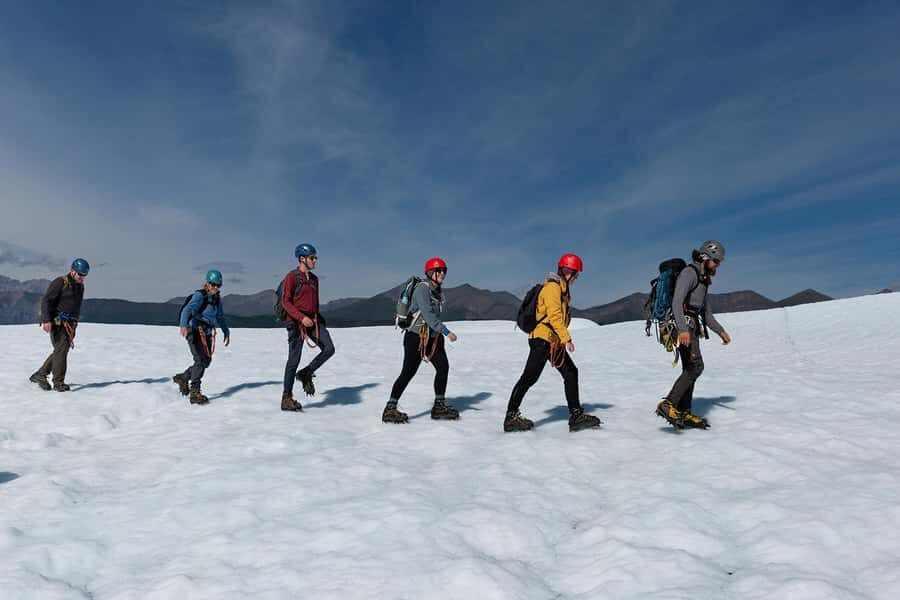
The scenery here is not just “ice everywhere.” It’s a living surface that changes through the summer. The glacier’s shifting is tied to active geology, and that’s why guided routes keep their value: you’re not just repeating a postcard.
When you go deeper than the ice-falls area, you often get a more intimate sense of scale. You can stand in places where the ice feels like a landscape you’re walking through, not an attraction you’re looking at from one spot.
Some things you can plan on experiencing as part of a longer guided route:
- more time to notice how formations differ across sections
- a sense of place because you’re farther from the most frequent stopping points
- the feeling of stepping into a frozen world that stays quiet and cold even as the weather changes
And because the tour is tailored to your group’s physical abilities and desires, you’re not just assigned a route and told to keep up. You should have a better chance of feeling confident and actually enjoying the views.
Gear, Cold Weather, and Your Packing List That Actually Helps
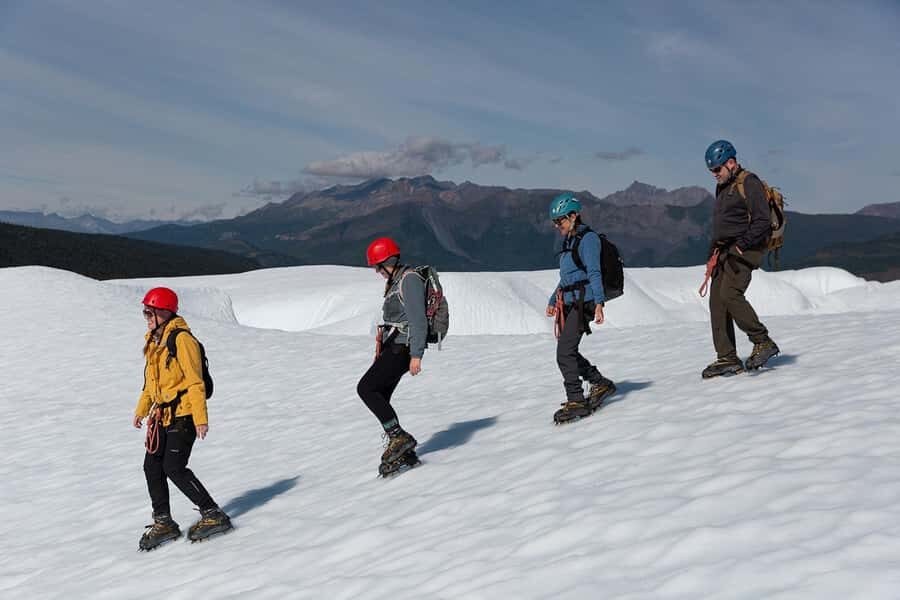
The good news is that all gear is provided. That reduces guesswork and makes it easier to travel light.
Still, you should bring your own personal items and plan like Alaska weather can shift fast. The recommended items are straightforward and practical:
- Warm clothing
- Sunglasses
- Sunscreen
- Gloves
- A hat
- A water bottle (you can drink glacier water or carry it as you prefer)
- Snacks
- Extra layers
- A personal backpack to store raincoats, layers, and camera gear
A real tip for glacier days: sunglasses and sunscreen matter more than you think. Ice reflects light hard, and even cloudy days can feel bright. If you wear glasses, consider a strap or extra care since cold air can make things slip or fog.
If you want the day to feel fun instead of miserable, treat layering like your main job. You don’t need a fancy system. You just need enough flexibility to handle changing temps.
Price and Logistics: Is $225 Worth It After the Park Fee?
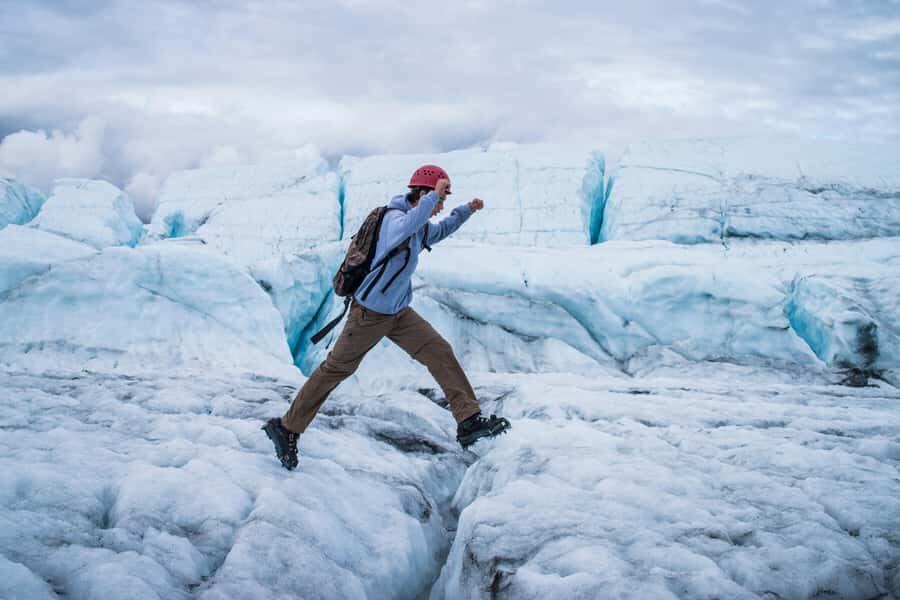
The headline price is $225 per person for a 6-hour guided trek with all gear provided and shuttle service. That’s not cheap, but glacier time is expensive for a reason: guide staffing, small-group safety, and the real work of running a long route on a shifting glacier.
Then comes the part that surprises many people: the Matanuska Glacier Park entrance fee is separate. The park is privately owned, and Alaska State passes do not apply. You pay at check-in each time you go through the gate.
The entrance fee is:
- $55 per adult (17+)
- $30 for Alaska Residents, Military, and Seniors (65+)
- $25 for teens (13–16)
So your all-in cost depends on your age and eligibility. If you’re an adult paying the regular rate, the entrance fee is significant enough that it changes the real total of the trip. Still, you’re paying for a longer-than-average, deeper-route glacier experience with real guide attention.
Also note:
- Transportation to and from Anchorage is not included, so you’ll need your own plan if you’re basing yourself in town.
- Gratuity for the guide is not included, and that’s a normal part of booking guided outdoor experiences.
If you like value, focus on the ratio and the hours. A longer day with a 1:4 setup and gear already handled is where your money is going.
Who This Trek Suits Best (and Who Should Skip It)
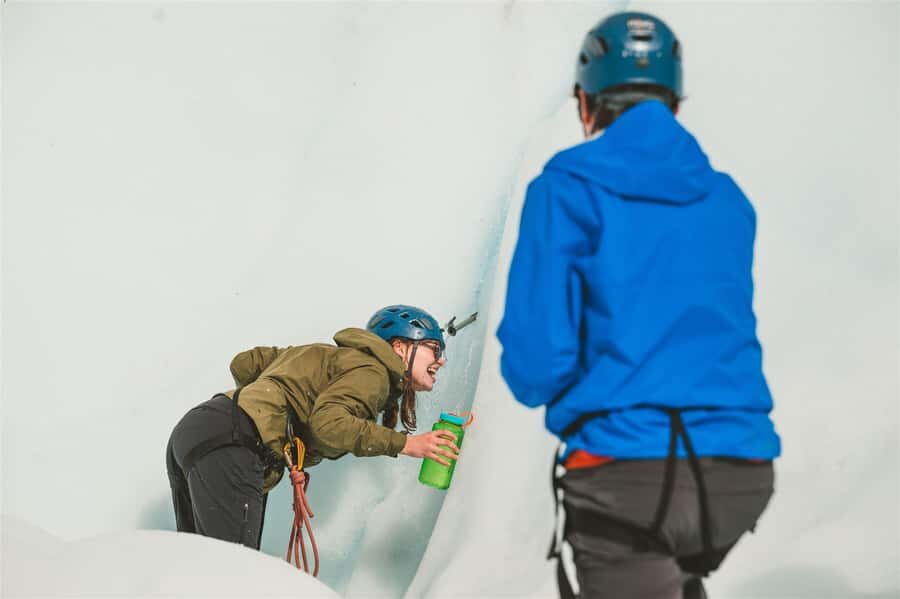
This trek is described as requiring a certain physical capability. You should be ready for 6+ miles and challenging uneven terrain with steep inclines.
It’s not suitable for:
- children under 12
- people with heart problems
- people over 65
- people under 99 lbs (45 kg)
- people over 250 lbs (113 kg)
If you’re someone who hikes regularly—especially on trails with ups and downs—this is likely a fair challenge. If your idea of hiking is an hour on flat ground, you may find this more demanding than you expected.
The good part: no experience is necessary. That doesn’t mean “easy,” it means the guides will teach you what to do and how to move safely.
If you want a glacier day that feels active and personal, this format fits. If you want a relaxed, short outing that minimizes strain, you’ll probably want a different option.
Small-Group Magic: How the Guides Keep the Day Fun
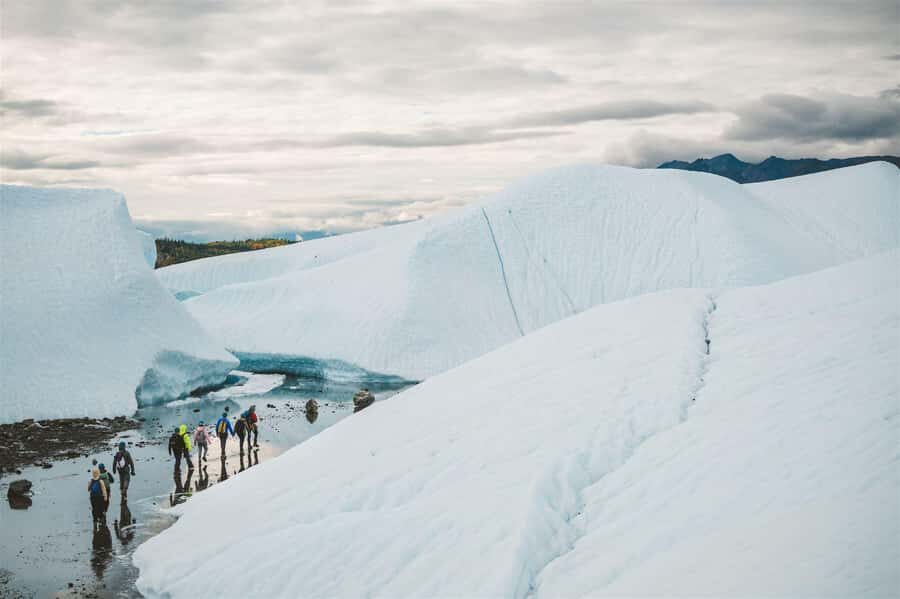
Even when the terrain gets tough, the guide team’s job is to keep you moving with confidence. The guide ratio helps, but the tone matters too.
From the types of feedback people gave, a couple themes stand out:
- Guides are described as informative and friendly
- They make sure the group enjoys the hike within the time available
- Guides like Thomas and Betsy are praised for professionalism and for getting everyone the best experience possible in the day’s limits
That last point is practical. A glacier tour has a fixed window, and you don’t want to lose your best moments because the group is struggling. A good guide keeps the pace realistic and the priorities straight: safety first, then the best ice features you can reach.
If that style matches you, you’ll likely feel taken care of.
Quick Facts You Should Know Before You Go
You’re booking an English-language, live guided experience, so you’ll have real time with an instructor. Duration is about 6 hours.
Also remember:
- No drones on the glacier
- You’ll need to plan for the park fee at check-in
- You should bring layers, rain protection if needed, and the items listed earlier so you don’t spend your energy cold or unprepared
Should You Book the Matanuska Glacier Adventure Trek?
Book this trek if you want:
- a longer, more intense glacier day
- more access to the glacier’s “heart,” not just the common area
- a small 1:4 guide setup with all gear handled
- a true adventure element, including time that can involve rappelling
Skip it (or look for an easier option) if:
- you’re not comfortable with 6+ miles and steep, uneven terrain
- you’re in a higher-risk health category listed by the operator
- you’re mainly after a quick look and easy walking
If you’re fit, curious, and ready to work a little for the views, this is the kind of glacier day that leaves you with more than photos. You come away with a real sense of scale and a glacier you actually walked through.
FAQ
How long is the Matanuska Glacier Adventure Trek?
The trek lasts about 6 hours total, including the guided time on the glacier.
Do I need prior experience to join this glacier tour?
No experience is necessary. You do need the ability to hike 6+ miles and handle uneven terrain and steep inclines.
What level of physical fitness is required?
You should be comfortable hiking at least 6 miles and navigating challenging, uneven ground with steep inclines.
What is included in the price?
Your booking includes a guided adventure trek with an instructor, all gear provided, and a trip shuttle.
Is the Matanuska Glacier Park entrance fee included?
No. You pay an additional glacier park entrance fee at check-in. Alaska State passes do not apply.
How much is the Glacier Park entrance fee?
The listed gate fee is $55 for adults (17+), $25 for teens (13–16), and $30 for Alaska Residents, Military, and Seniors (65+).
Can I bring a drone?
Drones are not allowed, and the operator has a no-drone policy in place for the glacier.
What are the meeting point details?
Meet at Mile marker 96.5 Glenn Hwy at Hick’s Creek bridge. Turn into Trailhead Rd, follow the driveway that loops under the bridge, and proceed to the camp entrance.