REVIEW · ANCHORAGE
Matanuska Glacier Ice Fall Trek
Book on Viator →Operated by Planet Earth Adventures, LLC · Bookable on Viator
A glacier hike on ice fall terrain beats watching from behind glass. This Matanuska Glacier trek gives you guided instruction and close-up access to crevasses, seracs, and those electric-looking ice formations. What I like is that it’s set up with real hiking gear (crampons and helmet) and a group-sized experience that feels controlled instead of chaotic, with routes shaped by conditions. One consideration: you’re committing to an early start and good weather, and there’s no lunch stop during the trek.
The best part is the combination of safety gear plus a guide who can actually teach you how to move on ice. I also appreciate that the timing builds in plenty of time to explore once you’re on the glacier, not just a quick walk and out. If you’re expecting a long scenic bus ride, this is more about the time on ice and the learning that comes with it.
In This Review
- Key things I’d bet on before you book
- Why a Matanuska Glacier ice fall trek feels real
- From Anchorage pickup to an early glacier start
- What’s included (and what it means for your comfort)
- The 3-hour trek on Matanuska Glacier: what you actually do
- Close-up ice features: crevasses and seracs aren’t just scenery
- Route changes based on conditions and group ability
- Price and value: why $299 can make sense here
- Weather reality in Alaska: what to expect on the day
- Partnership handoffs and why they can matter
- Who this trek is best for (and who should think twice)
- Should you book the Matanuska Glacier Ice Fall Trek?
- FAQ
- How long is the Matanuska Glacier Ice Fall Trek?
- Where does the tour start?
- What time does the tour begin?
- What gear is included?
- Do you get food or drinks during the tour?
- Is hotel pickup included?
- What is the maximum group size?
- What age is the minimum for this shared trek?
- Is there an option for kids under 10?
- What happens if weather is poor?
- What language is the tour offered in?
Key things I’d bet on before you book
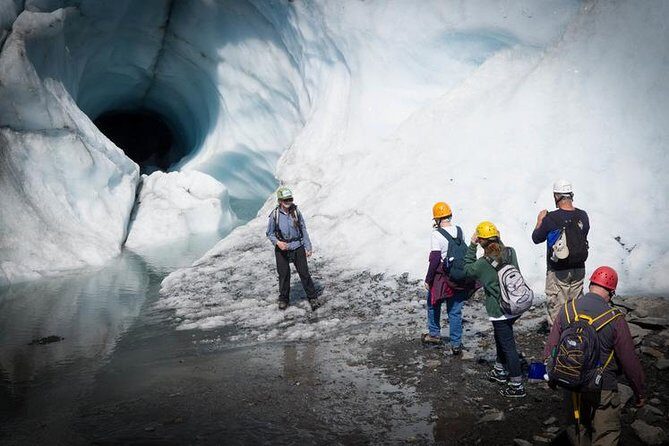
- You get the right gear: crampons and a helmet are included, so you’re not hunting rentals last minute.
- Close-up glacier features: expect crevasses, seracs, and striking ice formations during a guided walk.
- Instruction is part of the deal: the guide provides teaching on glacier hiking so you know what to do while you’re out there.
- A real pace, not a sprint: the route depends on daily conditions and group abilities.
- Small group feel: capped at 11 travelers, which helps with managing footing on ice.
- Guides can be a big win: feedback often credits guides such as Morgan, Arthur, and Albert for making the hike clearer and more fun.
Why a Matanuska Glacier ice fall trek feels real
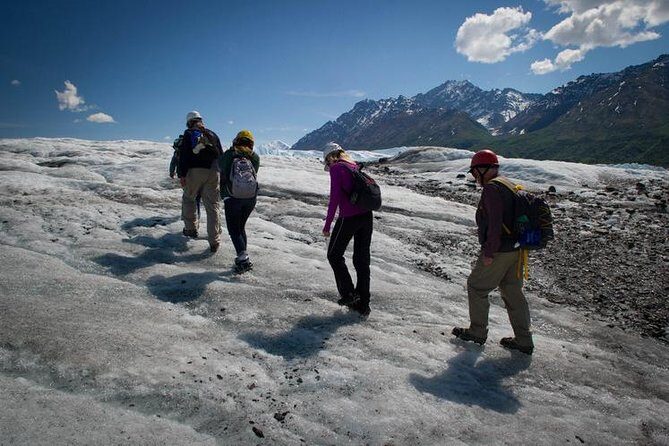
This isn’t the kind of glacier visit where you stand far away and point. You’re walking on the ice with crampons, and you’re close enough to notice how the glacier changes and breaks apart. That difference matters because glaciers aren’t static backdrops. They’re active ice systems, constantly shifting, cracking, and reforming.
I like that the focus is on what you can see and understand while you’re there—crevasses and seracs aren’t just scary words. With a guide and a route that fits your group, you get the chance to connect the visual with the story: how glacier features form and why they look the way they do.
Other Matanuska Glacier hikes and tours weve reviewed in Anchorage
From Anchorage pickup to an early glacier start
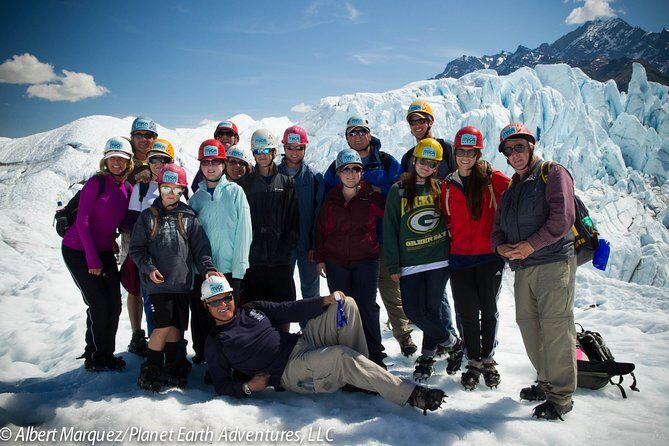
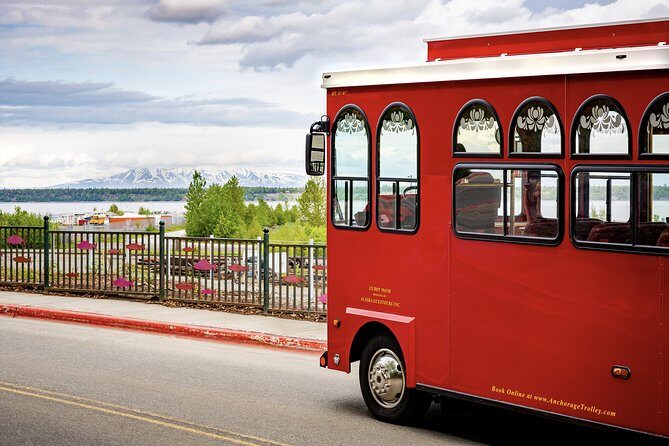
The day starts at 7:00 am with pickup options that make Anchorage logistics easier. You’ll meet at the William A. Egan Civic & Convention Center at 555 W 5th Ave, Anchorage. Hotel pickup is included, and there’s also airport drop-off available at the end of the tour.
This early start is a practical thing, not a gimmick. Glacier hikes run best when conditions are right and when you can build a solid schedule for gear fitting, safety briefing, and the actual walk. The tour runs about 7 hours total, but the centerpiece is the glacier time.
One small planning note: because this is a morning departure, you’ll want your day-after schedule to be flexible. You’ll likely be tired from cold-weather walking even if you’re fit.
What’s included (and what it means for your comfort)
At $299 per person, you’re paying for more than a ticket. The tour includes a professional guide plus the core walking gear: crampons (for traction on ice) and a helmet. A trekking pole is optional, and light snacks and bottled water are included.
This matters because glacier trips can get expensive when you add rentals, last-minute gear runs, and extra stops for food. Here, the essentials are already built into the experience. You’re also not stuck guessing how to handle the gear; the tour includes the instruction side, which is a big deal when you’re learning how to walk safely on ice.
What’s not included is food and drinks beyond the light snacks and water. There’s also no lunch stop. So you’ll want to plan your meal timing around this, especially if your energy dips when you’re cold.
The 3-hour trek on Matanuska Glacier: what you actually do
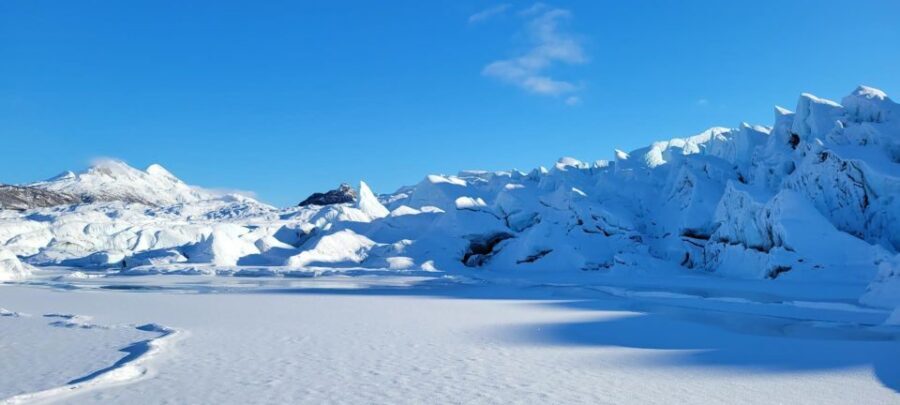
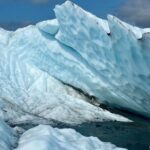
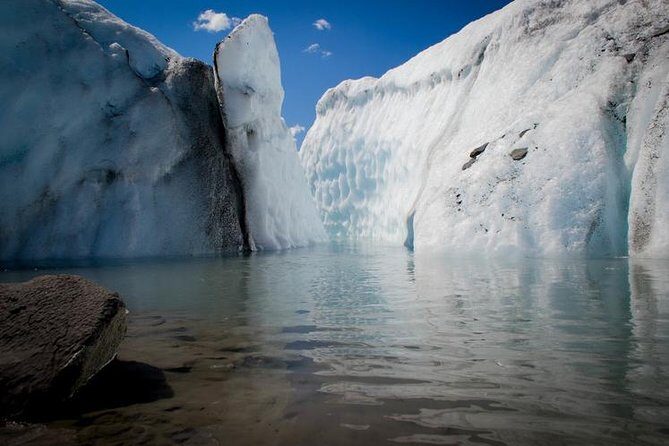
The heart of the tour is a 3-hour hike on Matanuska Glacier. You strap on crampons and head out with your guide, exploring the glacier’s changing surface and features. Expect to get up close to crevasses, seracs, and distinct ice formations, including that surprising color you get from thick glacier ice.
Your route will vary depending on:
- daily glacier conditions
- the abilities and comfort level of your group
That flexibility is a real value. It means the day isn’t locked into one exact path that may or may not fit the conditions. Instead, you’re more likely to get a route that balances access with safety and comfort.
You’ll also come away with more than pictures. The guide is there to help you understand what you’re seeing and how glaciers form and evolve. That’s why this feels educational without turning into a lecture.
Close-up ice features: crevasses and seracs aren’t just scenery
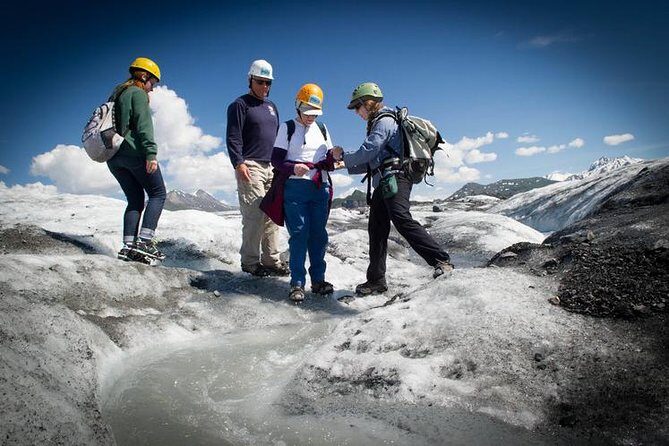
Standing near glacier features is impressive, but what makes this trek worth it is the guidance. Crevasses and seracs can look chaotic if you’re just staring. With instruction, you’re more likely to notice patterns—how the ice breaks, how formations relate to each other, and why the glacier’s surface changes over time.
I also like the photo factor here. The tour is long enough on ice that you’re not constantly rushed. You can stop, look, and reposition for better shots. And because you’re close enough to see the details, your photos won’t look like a distant postcard.
Just keep your expectations grounded: you’re walking on ice, so your time is divided between moving, looking, and staying aware of footing. The goal isn’t only sightseeing. It’s a guided glacier hike that lets you experience the terrain up close.
Other glacier tours and cruises weve reviewed in Anchorage
Route changes based on conditions and group ability
One of the smartest parts of this trek is how the route depends on conditions and your group. Glacier surfaces can vary quickly, and guides have to adjust. Add in differences in comfort levels and pace, and you get a system that’s built for real groups rather than an average template.
For you, that means:
- you’re less likely to feel like you’re doing something beyond your comfort level
- you should be prepared for slight changes in what you see most clearly that day
- you’ll spend time hiking, not just standing
If you have moderate physical fitness and you can handle a full 3-hour trek on challenging terrain, this format is usually a good fit. If you’re worried about mobility or stamina, it’s worth thinking about whether you’ll be comfortable walking steadily for that length of time.
Price and value: why $299 can make sense here
$299 per person is not pocket change, so let’s talk value. Here’s what that price is covering based on what’s included:
- hotel pickup and drop-off (plus airport drop-off at the end)
- a professional guide
- crampons and a helmet
- optional trekking pole
- light snacks and bottled water
- a timed 3-hour glacier hike
When you subtract out what you would normally have to buy or arrange—gear and transportation—this starts looking more reasonable. It also reduces friction. Glacier hikes can be stressful when you’re juggling rentals, parking, and finding your way to the right access point early in the morning. This tour handles the “how do I get there and what do I wear on the ice” pieces.
The main cost-side downside is the food. Since there’s no lunch stop, you’ll need to cover your other meals outside the tour. Plan that in, and you’ll feel better about the total day cost.
Weather reality in Alaska: what to expect on the day
This experience operates in most weather conditions, but it also requires good weather. Practically, that means your day can hinge on conditions that affect safety and visibility on the ice.
If the tour is canceled due to poor weather, you’ll be offered an alternative date or a full refund. That’s how you want it to work for glacier activities. You’re not stuck paying for a day that can’t safely happen.
My advice: pick an itinerary window that gives you flexibility. If you’re only in Anchorage for a day or two, you might end up gambling with weather. If you have a few days to play with, the odds improve that you’ll get your glacier time.
Partnership handoffs and why they can matter
This trek is operated in partnership with MICA guides. In practice, that means you’ll likely experience a smooth transition from the main portion of the operation to your glacier guiding team.
The reason this matters to you: glacier hikes run on tight timing. A seamless handoff helps you get to the ice quickly, get fitted with gear, and start hiking without confusion or long delays. If you’re the kind of person who hates waiting in a cold parking lot, this kind of operational smoothness is a real plus.
The feedback also highlights guides by name—Morgan, Arthur, Arthur, and Albert—credited for professionalism and glacier understanding. I take that as a sign that the guiding quality is not an afterthought.
Who this trek is best for (and who should think twice)
This tour is designed for people with moderate physical fitness. A full 3-hour glacier hike on ice terrain with crampons means you should be comfortable walking for sustained periods on uneven ground.
It’s also a good fit if you:
- want a guided experience that teaches as you go
- like nature photography and close-up details
- prefer a smaller group setup (11 max)
- are planning a glacier day from Anchorage and want pickup built in
It might be less ideal if you:
- need lots of long breaks to reset your energy
- dislike early morning departures
- are bringing very small kids (there are strict minimums and carry rules)
Should you book the Matanuska Glacier Ice Fall Trek?
If you want the glacier experience to be more than a view, this is an easy yes. You get guided instruction, traction gear, and serious time on ice, plus access to features like crevasses and seracs that you can’t really appreciate from shore-level viewpoints.
Book it especially if you’re planning a trip built around active Alaska days and you can stay flexible with weather. Just do one thing before you commit: plan around no lunch and the early start, so the day feels smooth instead of rushed.
FAQ
How long is the Matanuska Glacier Ice Fall Trek?
The tour runs about 7 hours total, including a 3-hour glacier hike.
Where does the tour start?
The meeting point is the William A. Egan Civic & Convention Center, 555 W 5th Ave, Anchorage, AK 99501.
What time does the tour begin?
Start time is 7:00 am.
What gear is included?
You’ll receive crampons for walking on ice and a helmet. A trekking pole is optional.
Do you get food or drinks during the tour?
Light snacks and bottled water are included. Food and drinks are not provided as a lunch stop.
Is hotel pickup included?
Yes. Hotel pickup and drop-off are included. Airport drop-off is also available at the conclusion of the tour.
What is the maximum group size?
The tour has a maximum of 11 travelers.
What age is the minimum for this shared trek?
The minimum age is 10 years old. Children may not be carried in arms, backpacks, strollers, or anything else.
Is there an option for kids under 10?
Yes, you can book a private trek for children under 10. The minimum age for a private trek is 8 years old.
What happens if weather is poor?
It operates in most weather conditions, but it requires good weather. If canceled due to poor weather, you’ll be offered an alternative date or a full refund.
What language is the tour offered in?
The tour is offered in English.