REVIEW · ANCHORAGE
Anchorage Museum General Admission Ticket
Book on GetYourGuide →Operated by Anchorage Museum · Bookable on GetYourGuide
Alaska history fits in one museum ticket. I love the Arctic Studies Center, where Indigenous Alaskan objects come through with Smithsonian connections and Alaskan Native advisers shaping how they’re explained, and I also like the hands-on science angle that keeps the day active instead of lectury.
The main thing to plan for is that the Thomas Planetarium is extra. You can book it at check-in, but it’s not part of the base admission, so give yourself room to add it if you care about astronomy.
In This Review
- Key highlights worth your time
- A one-day plan built around culture, science, and place
- Start with the museum’s interactive history and design galleries
- The Arctic Studies Center: Indigenous Alaskan stories with Smithsonian support
- Use the touch screens like an on-site field guide
- Discovery Center-style hands-on science (and why it’s worth your energy)
- Marine life tanks: a different way to connect to Alaska
- Optional Thomas Planetarium: add stars and 3D without extra hassle
- Price and value: what $25 buys in a full museum day
- Parking and practical timing for a smooth arrival
- Who this ticket is best for (and who might want a different plan)
- Final call: should you book the Anchorage Museum ticket?
- FAQ
- What’s included with the Anchorage Museum general admission ticket?
- Is the Thomas Planetarium included in the ticket price?
- How long is the ticket valid?
- Where is the Anchorage Museum located?
- Is parking available, and is the garage heated?
- How much does parking cost in the museum garage?
- Is the museum wheelchair accessible?
- Can I cancel for a full refund?
- What is the meeting point for this experience?
Key highlights worth your time
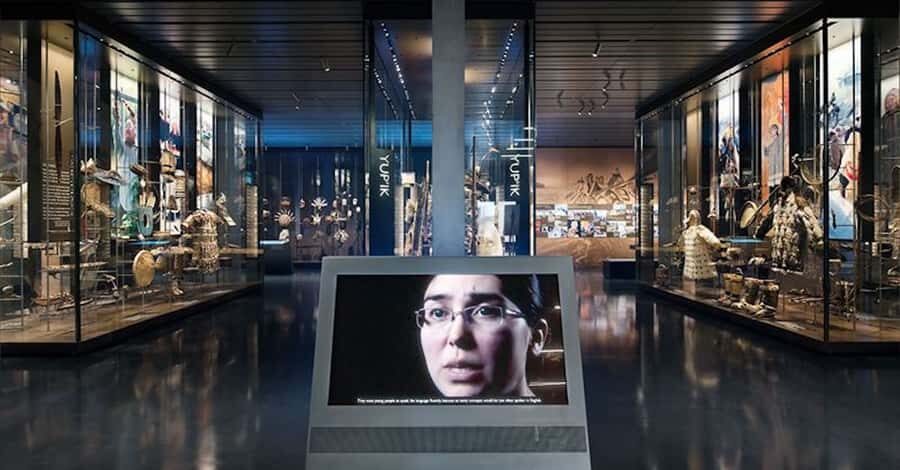
- Arctic Studies Center with Smithsonian materials and careful interpretation with Native advisers
- Touch-screen object learning, including zoom views plus oral histories and archival images
- Interactive history gallery, built for exploring rather than reading only
- Discovery Center hands-on science, great when you want to do more than look
- Marine life tanks that add a real sense of place
- Thomas Planetarium add-on, available after you arrive
A one-day plan built around culture, science, and place
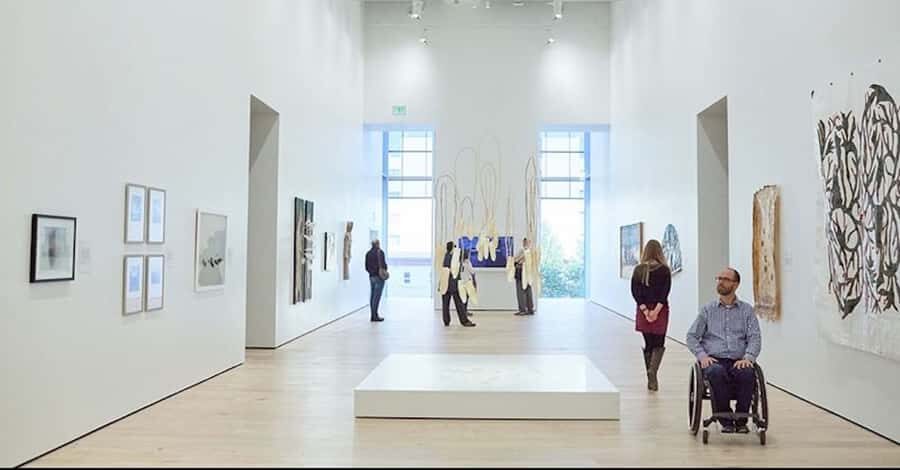
At the Anchorage Museum, your general admission ticket is a self-guided pass, which is perfect for a place like this. You decide how quickly to move, what to repeat, and when to slow down. The museum sits at 625 C St in downtown Anchorage, an easy anchor for a full day in town.
I like the way the museum’s layout supports different moods. Some days you want to focus on people and culture. Other days you want science, motion, and hands-on exhibits. This museum gives you both without making you stick to a strict route.
Your day starts with the broader museum galleries covering art and design, history, science, and culture of the North. Think of it as the museum setting the frame first, then getting more specific as you move through.
If you’re doing this as a first stop in Anchorage, the payoff is big: you leave with a clearer mental map for what Alaska is and how the North gets interpreted through both traditional knowledge and modern science.
Other Anchorage museums and attractions


Start with the museum’s interactive history and design galleries

Before you jump into the Arctic Studies Center, I’d spend time in the interactive history gallery and any art-and-design rooms you see early. This is where you get oriented fast, and it helps the later exhibits land better.
Why this matters: interactive spaces train your brain to look actively. Instead of trying to take in everything at once, you’ll learn how the museum wants you to engage—zoom, compare, scan, and explore. That approach is also what makes the science and culture sections feel less like separate topics.
If you like exhibits that answer questions as you’re standing in front of them, this is a smart entry point. You’ll get a feel for the museum’s rhythm: look, tap, read the context, then move on.
The Arctic Studies Center: Indigenous Alaskan stories with Smithsonian support

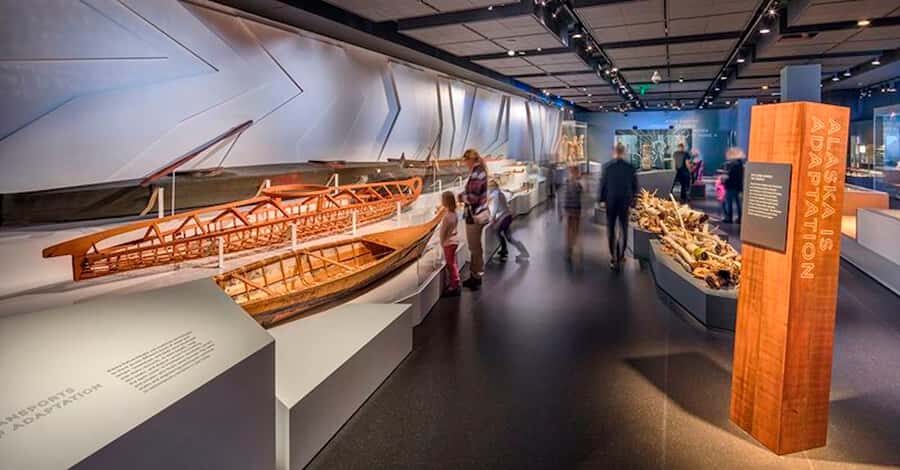
This is the reason many people buy the ticket, and it’s easy to see why once you’re inside. The Arctic Studies Center features Indigenous Alaskan artifacts loaned by the Smithsonian Institution, including the main exhibition titled Living Our Cultures, Sharing Our Heritage: The First Peoples of Alaska.
What I like most is the way the museum handles interpretation. The exhibition uses more than 600 objects from Smithsonian collections, and the selection and interpretation were done with help from Alaskan Native advisers. That means you’re not just looking at items behind glass; you’re getting context shaped by people who know the cultural background.
A couple of specific objects help make this real. For example, you’ll see an 1893 Tlingit war helmet from the southeast village of Taku, and a 1935 Iñupiaq feast bowl from Wales on Alaska’s northwest coast. Those names and dates aren’t trivia. They help you notice that these objects aren’t museum-only items; they connect to real communities, time periods, and cultural practices.
Use the touch screens like an on-site field guide
One of the best features here is how you learn about objects using touch screens. You can zoom into photos and scroll through additional details. The museum also includes information tied to oral histories and archival images.
This is a practical advantage: you can spend 30 seconds on an object or slow down for several minutes, and the screens let you choose your depth. I also like that the museum doesn’t force you into a single way of learning. If you’re the kind of visitor who wants quick context, you can get it. If you want more background, you can keep going.
If you’re short on time, I suggest picking a few standout objects and using the touch screens to connect the dots. That approach usually gives you more understanding than trying to read every caption.
Discovery Center-style hands-on science (and why it’s worth your energy)
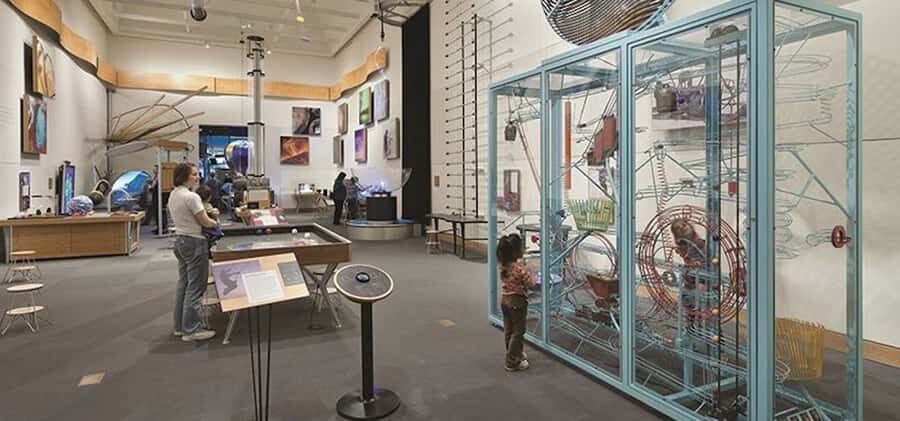
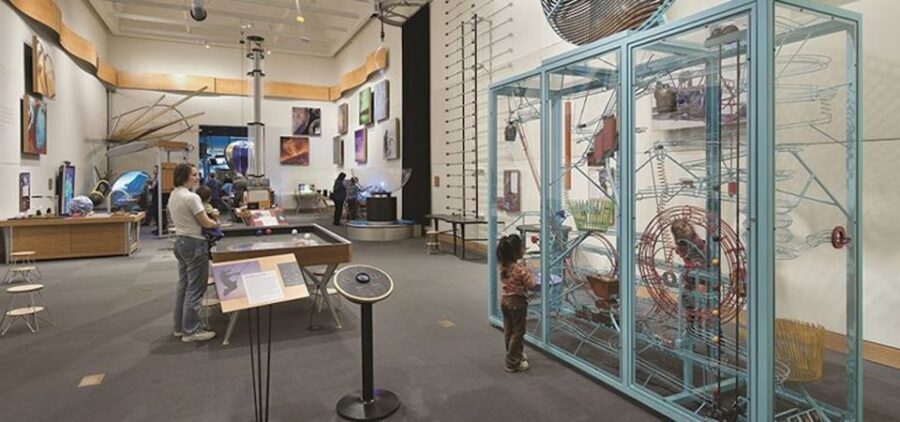
After the culture-focused spaces, I like switching gears to the Discovery Center area. The museum explicitly sets this up for hands-on science, which is exactly what you want in a region known for cold weather and long indoor days.
Hands-on exhibits do two useful things. First, they turn curiosity into action, so you’re less likely to feel drained by reading. Second, they help you remember what you saw. You’re not just absorbing information; you’re doing something, and your brain keeps track of it better.
In Anchorage, this kind of indoor science time is also a weather-smart move. Even if the day outside is gray or chilly, you can still have a productive museum stop that feels active, not stuck.






Marine life tanks: a different way to connect to Alaska

The museum also includes marine life tanks. I’m not going to pretend they’re going to replace an ocean excursion, but they add something important: they bring living ecosystems into a museum day.
Why it helps: culture and science can stay abstract when you only see diagrams. Tanks give you a visual anchor, and that can make other sections about the North feel more connected to real environments.
If you’re the type who likes observing details, take a moment just to watch how the space is set up. Even a brief look can make the rest of the museum feel more grounded.
Optional Thomas Planetarium: add stars and 3D without extra hassle
If you care about astronomy, the Thomas Planetarium is the easiest upgrade you can add. The planetarium isn’t included in general admission, but tickets can be booked at check-in.
The planetarium experience uses 3D graphics, surround sound, and a dome screen. It’s also built around interactive astronomy demonstrations, educational programs, and films. Translation: you’re not only watching a show. You’re also getting ways to learn about the solar system and how it connects to Earth.
How to decide if it’s for you: if you want a strong “wow” component that changes your pace from galleries to a dark theater experience, it’s a good add-on. If your day is already packed, you can still do an excellent museum visit without it.
I like that the museum handles planetarium tickets through check-in. It means you can make your decision once you see how your energy holds up in the galleries.
Price and value: what $25 buys in a full museum day
At $25 per person, this admission ticket is priced like a solid museum visit, not a short pop-in. And importantly, you’re getting more than a single room.
Included in the general admission is the museum entry plus a self-guided tour. That self-guided format matters for value because you control how long you stay in the parts that matter most to you, especially the Arctic Studies Center and the interactive galleries.
Two cost considerations to keep in mind:
- Planetarium tickets are not included. If you want it, you’ll pay separately.
- There is no tour guide included, so you’re relying on the exhibits and touch screens for interpretation.
Still, for many visitors, the combination of Smithsonian-backed Indigenous artifacts, interactive history, hands-on science, marine tanks, and a planetarium option makes the $25 feel reasonable. You’re essentially buying access to several different kinds of learning in one building.
Parking and practical timing for a smooth arrival
The museum is in downtown Anchorage, and the parking setup is helpful.
Public parking is available in the museum’s heated and secured underground garage on weekends and evenings. Handicap parking is available in the garage every day during both day and evening hours.
Parking rates follow this schedule:
- 0–2 hours: $5
- 2–4 hours: $8
- 4–6 hours: $12
- 6–10 hours: $15
My practical advice: if you’re adding the Thomas Planetarium, aim to park with enough buffer. You don’t want to worry about time limits while you’re deciding what to do next. If you’re driving in with a tight schedule, the garage helps, but you should still plan to linger where the museum invites you to.
Who this ticket is best for (and who might want a different plan)
I’d book this general admission ticket if you want:
- a museum day with multiple types of learning (culture, history, science, astronomy)
- a place where you can choose your pace because it’s self-guided
- a strong focus on Indigenous Alaskan artifacts connected to Smithsonian collections and Native advisers
This works less well if you’re the type who needs a live guide to translate everything for you. Since tour guides are not included, your experience depends on what the exhibits and touch screens explain.
Also, if the planetarium is your main goal, plan on spending time inside first, then adding the planetarium at check-in if you decide it’s worth it. That keeps you from feeling rushed when you arrive.
Final call: should you book the Anchorage Museum ticket?
Yes, I’d book it if you’re looking for one good anchor stop in Anchorage that covers culture and science under the same roof. The Arctic Studies Center is the headline, especially with the Smithsonian-backed objects and the interpretation shaped with Alaskan Native advisers, plus the touch screens make it feel personal and usable instead of distant.
If you want the stars too, add the Thomas Planetarium at check-in. Just remember it’s not included, so you’ll want extra room in your day and budget.
If your schedule is very tight, you might prefer a shorter target, because this museum rewards time. But for a full one-day museum visit, the value at $25 is solid.
FAQ
What’s included with the Anchorage Museum general admission ticket?
Your general admission includes museum entry and a self-guided tour.
Is the Thomas Planetarium included in the ticket price?
No. Planetarium tickets are sold separately and can be booked at check-in.
How long is the ticket valid?
The ticket is valid for 1 day from first activation.
Where is the Anchorage Museum located?
The museum is at 625 C St, Anchorage, AK 99501, USA.
Is parking available, and is the garage heated?
Yes. Public parking is available in the museum’s heated and secured underground garage on weekends and evenings.
How much does parking cost in the museum garage?
Parking rates are: 0–2 hours $5; 2–4 hours $8; 4–6 hours $12; 6–10 hours $15.
Is the museum wheelchair accessible?
Yes, the museum is wheelchair accessible.
Can I cancel for a full refund?
Yes. You can cancel up to 24 hours in advance for a full refund.
What is the meeting point for this experience?
The meeting point is the Anchorage Museum, 625 C St, Anchorage, AK 99501, USA.