REVIEW · ANCHORAGE
Alaska Wildlife Conservation Center: Admission Ticket
Book on GetYourGuide →Operated by Alaska Wildlife Conservation Center · Bookable on GetYourGuide
Bears on the fence, on purpose. At the Alaska Wildlife Conservation Center you get a self-tour through 200+ acres of wildlife enclosures, with interpretive signs that explain what you’re seeing. I love the close-up feeling of animals in more natural settings, and I love how easy it is to steer your own pace on the 1.5-mile loop—but weather can be a real factor, with rain or snow often pushing animals into shelters.
In Portage Valley, the center sits under the Chugach Mountain Range with Turnagain Arm nearby, so your visit is about wildlife care and big scenery at the same time. The ticket is $27 per person and valid for one day, which is a sensible way to spend part of a busy Alaska itinerary without committing to a long guided tour.
Here’s the one practical drawback I’d plan around: you’ll want good traction in winter, because ice grippers are recommended. Also, plan your timing, since last entry is 1 hour before closing, and the loop is much easier when you’re not rushing.
In This Review
- Key things to know before you go
- A wildlife sanctuary that’s built for care, not crowds
- Your self-tour route: mastering the 1.5-mile loop
- Drive, bike, walk, or ski: how to match the loop to your day
- Wildlife viewing that feels close, natural, and real
- The scenery part: Chugach Mountains and Turnagain Arm
- Winter prep that makes the loop easier
- Cost and value: why $27 makes sense
- Getting the most out of your visit
- Souvenirs and local meaning: taking something home
- Should you book AWCC admission?
- FAQ
- Where is the Alaska Wildlife Conservation Center?
- What is included with the Alaska Wildlife Conservation Center admission ticket?
- How much does the ticket cost?
- How long is the ticket valid?
- Is the center wheelchair accessible, and can I drive the loop?
- Is WiFi available for downloading an audio option?
- When is the last entry?
- Do I need special gear in winter?
Key things to know before you go
- A 200+ acre wildlife sanctuary: You’re walking or driving through enclosures designed for animal care and conservation.
- A simple 1.5-mile loop: You can do it by foot, bike, or car—so your mobility and energy decide the pace.
- Winter-friendly access: Options can include cross-country skiing, fat biking, and complimentary kick-sled rentals.
- Up-close native wildlife: Many habitats feel more like natural viewing than zoo-style viewing behind the glass.
- Plan for weather and timing: Rain, snow, or cold can change where animals are, and last entry is 1 hour before closing.
A wildlife sanctuary that’s built for care, not crowds
The Alaska Wildlife Conservation Center (AWCC) is a non-profit sanctuary focused on preserving Alaska’s wildlife through conservation, education, research, and quality animal care. That mission matters because you’re not just “seeing animals”—you’re supporting a place that treats injured or orphaned wildlife and works to improve outcomes.
You’ll notice the whole setup is about respect and observation. Instead of feeling rushed, the visit is structured so you can slow down, read the habitat information, and watch patterns over time. That’s especially valuable if you’re visiting with kids, or if you just want to experience Alaska wildlife without the pressure to spot something instantly.
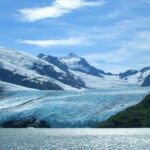
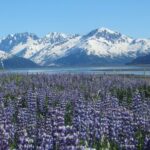
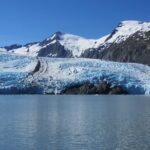
And yes, it’s also a scenic outing. Portage Valley delivers mountain views and the Turnagain Arm area nearby, so even when the wildlife is tucked away, you’re still outside in a memorable place.
Other wildlife viewing tours weve reviewed in Anchorage
Your self-tour route: mastering the 1.5-mile loop
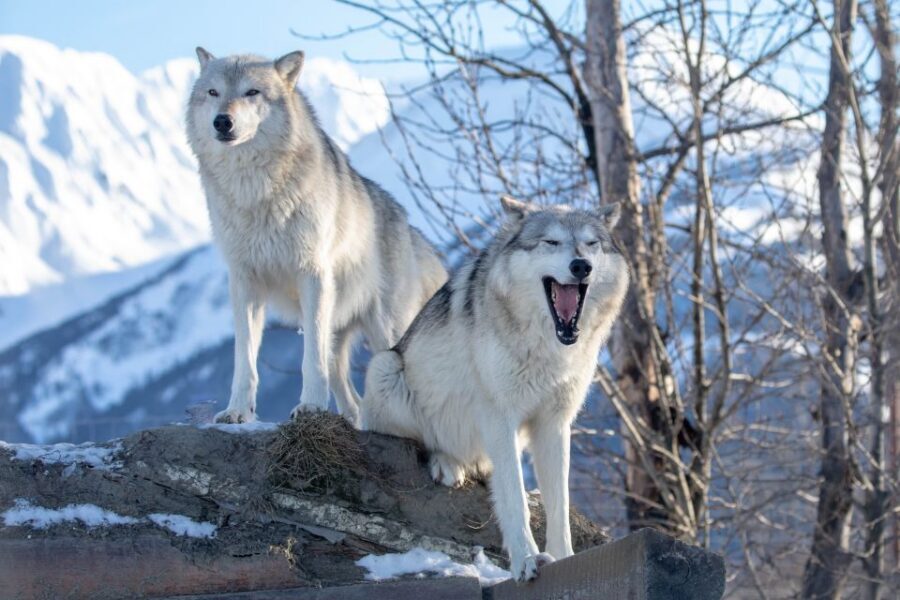
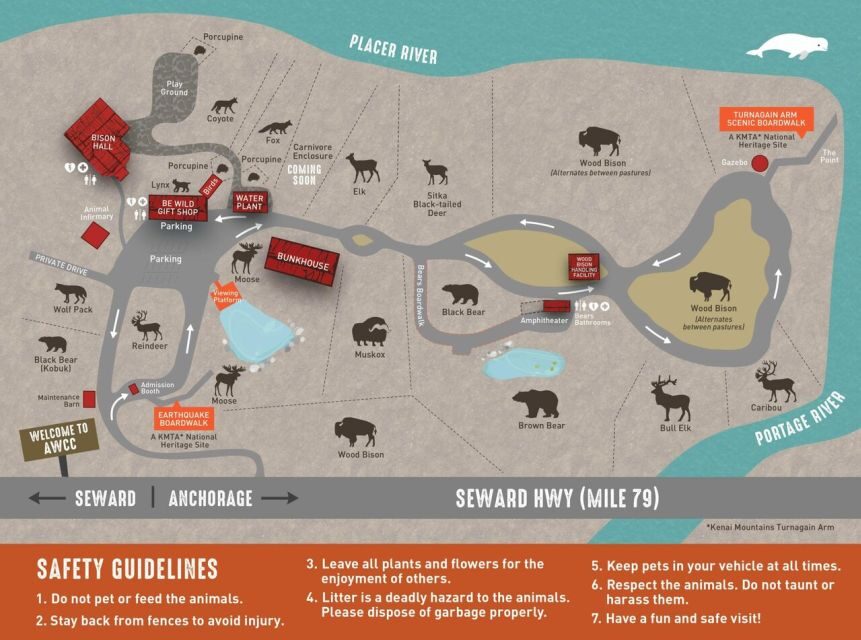
The core of the experience is a 1.5-mile loop that you can explore in multiple ways. The center gives you a map (physical or digital), so you can get your bearings quickly and focus on the habitats that interest you most.
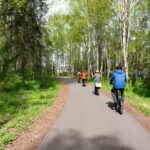
If you’re walking, the loop is long enough to feel like a real outing but not so long that you’re trapped inside a full-day hike. If you’re driving, you can stay warmer and still take in the different enclosures at your own rhythm. And if you’re biking, you can cover more ground while staying in “outside mode,” which feels great in the right weather.
The habitats are paired with interpretive signage. That’s one of the best parts because it turns a quick sighting into something you can actually connect to—what the animal needs, why this sanctuary exists, and how the center supports long-term care.
Drive, bike, walk, or ski: how to match the loop to your day
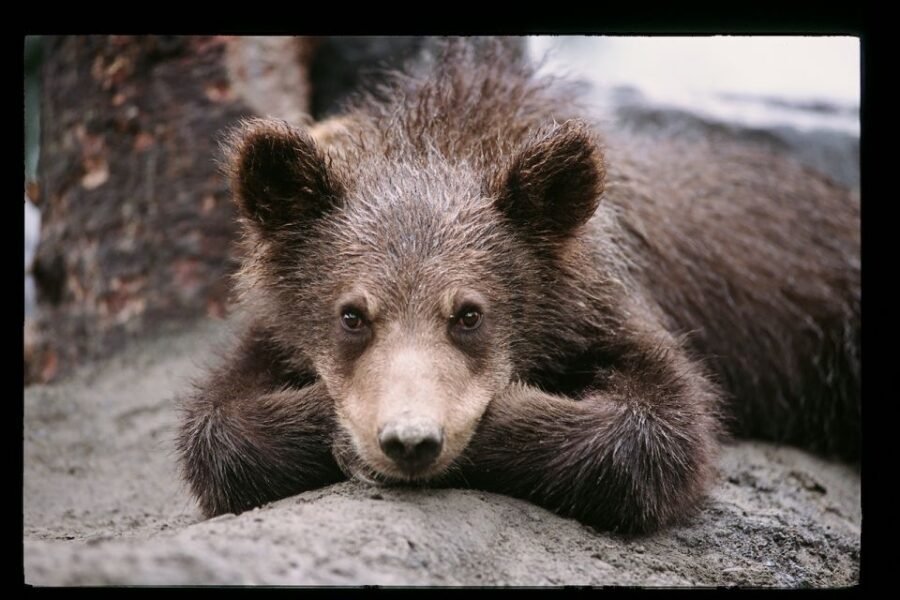
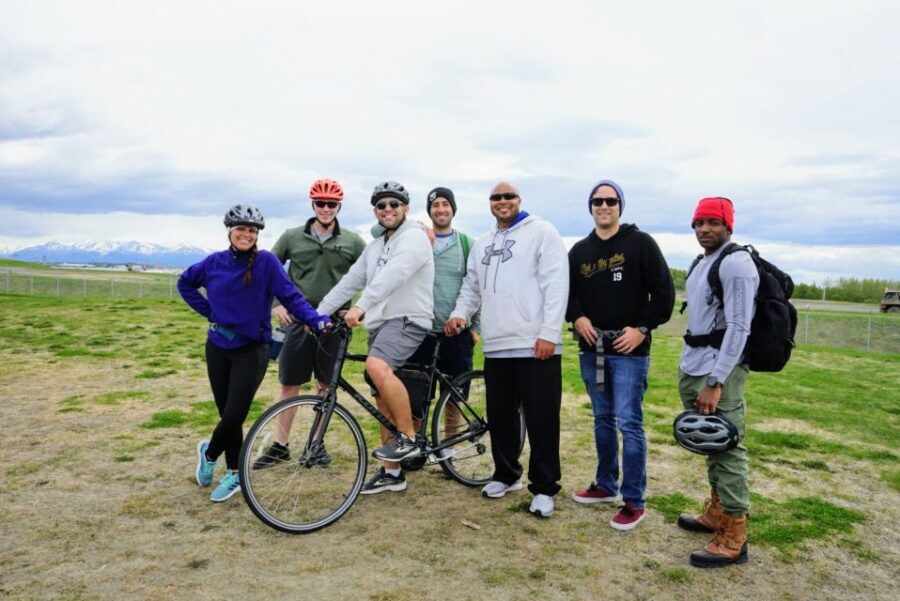
One of the things I like most is the freedom to choose how you move. You can handle the loop by foot, bike, or car, and that flexibility makes a big difference if you’re traveling with mixed ages or different mobility levels.
In winter, the center leans into fun, practical movement. You might see people gliding on cross-country skis or riding fat bikes, and the center offers complimentary kick-sled rentals for winter exploration. If you’re visiting during cold months, this is the kind of setup that helps you enjoy the outdoors without pretending winter weather doesn’t exist.
Here’s my tip: pick your exploration style based on traction and daylight. Ice can turn a pleasant walk into a stress-fest, and the center specifically recommends ice grippers during winter months. Even if you’re driving or biking, you’ll still want to be steady for the short transfers—parking areas and viewing points add up.
If you want the smoothest experience with the least walking, driving is a smart move. If you want the most chances to spot activity, walking (or biking) can help because you’re moving slowly enough to notice changes.
Wildlife viewing that feels close, natural, and real
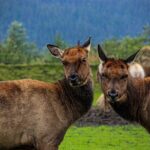
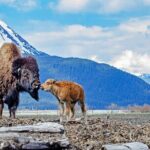
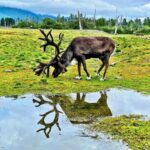
This is where the center earns its high rating. The wildlife viewing focuses on native Alaska animals in enclosures rather than behind walls, and you can often see details like posture, fur texture, and behavior patterns.
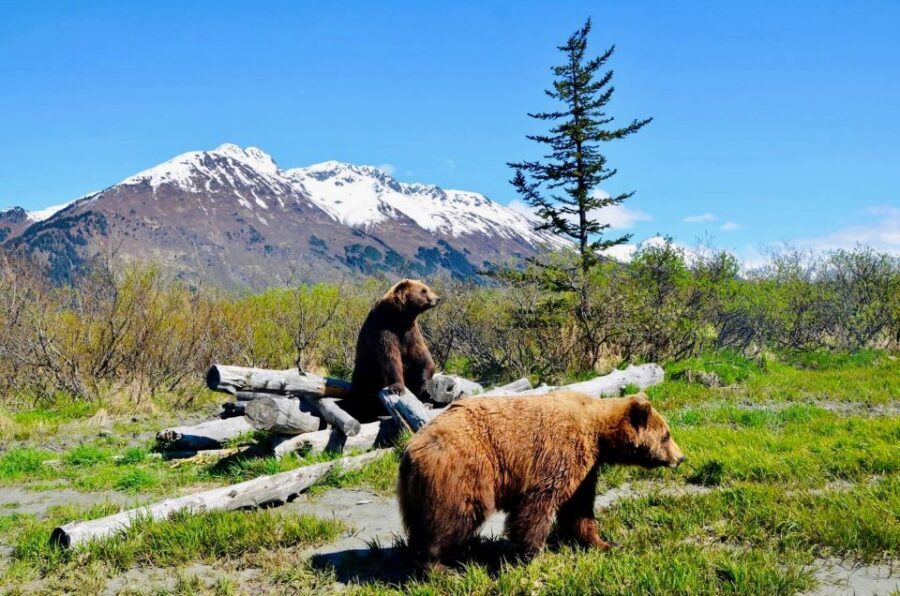
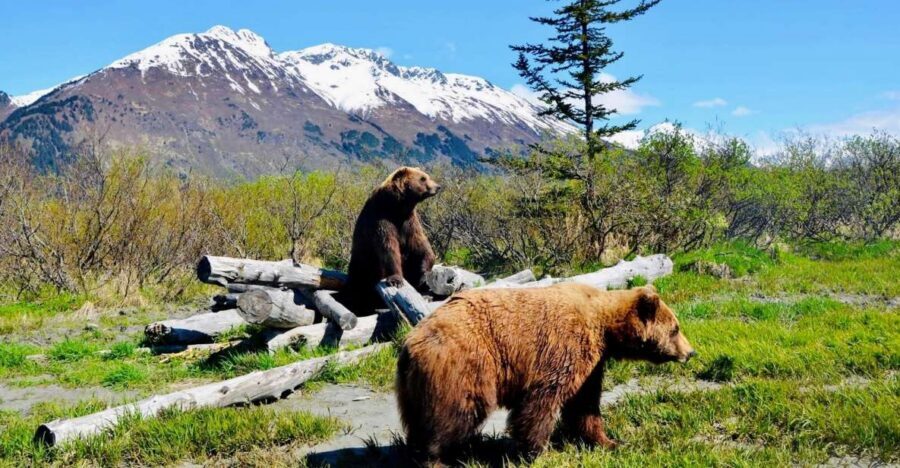
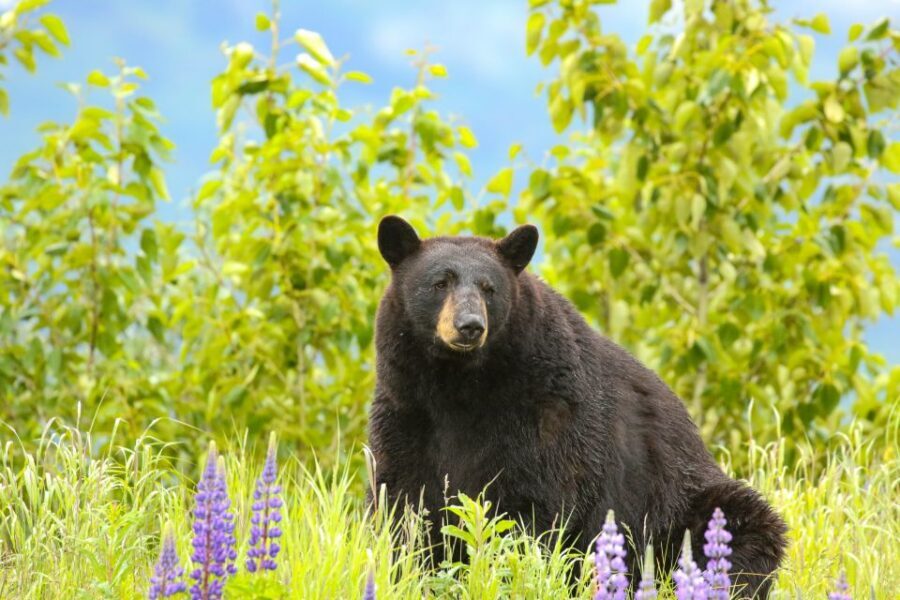
Bears are a highlight for many visitors. Some sightings can be right up near electric fencing, which can feel intense if you’re not used to close animal proximity—but it’s also a clear example of why the viewing setup needs careful boundaries. It can be unforgettable in a good way: you’re seeing an animal’s real presence, not a distant silhouette.
Bird lovers have their own moments too. One visitor described a hummingbird experience and shared that it included learning what not to do and which plants attract them. If you’re thinking about bringing a camera, this kind of guided learning helps you set expectations and observe smarter, not just faster.
Porcupines also earn attention. A visitor called a climbing porcupine the star of their visit, which tells you the center isn’t only about the big animals. Small, active behavior can be the most fun to watch, especially when the weather nudges larger animals into shelters.
One more note: don’t be surprised if you arrive expecting “maximum activity” and find a slower scene. On rainy days, many animals may be in shelters at first, with more emerging later. That’s not a failure of the visit—it’s just wildlife timing, and it pays to have patience.
The scenery part: Chugach Mountains and Turnagain Arm
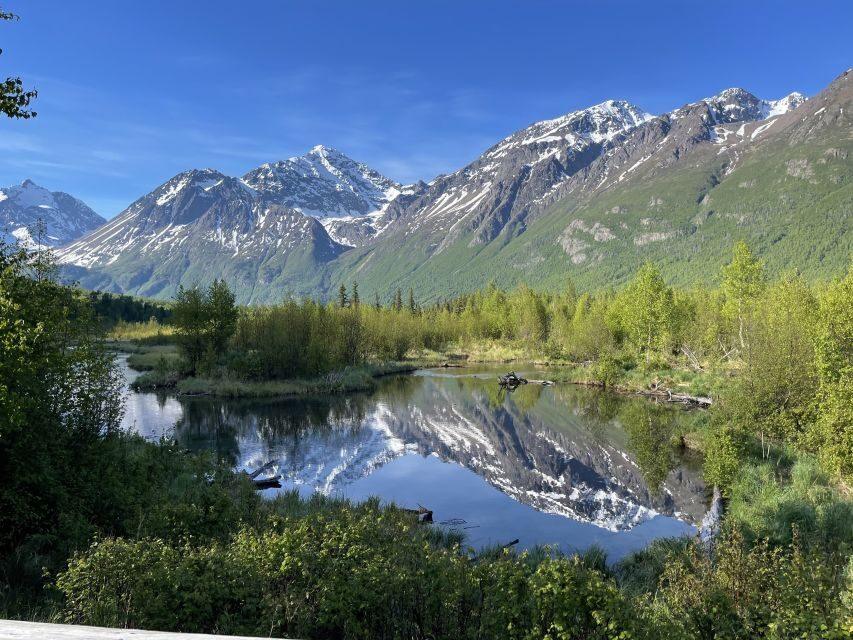
Even if the wildlife is resting, the setting makes the time feel worthwhile. You’re in Portage Valley with sweeping views toward the Chugach Mountain Range, and Turnagain Arm is part of the backdrop.
This matters because Alaska days can shift quickly. If weather knocks down animal activity, you still get that big open-air feeling. Plus, the loop is laid out so you’re not stuck in one spot—you’re moving through different habitat areas while the scenery stays in view.
In practical terms, plan your timing around daylight. Longer daylight hours give you more chances for both wildlife movement and good photos. On gray or snowy days, you’ll still enjoy the outing, but the light may be less dramatic and the animals may be more likely to stay tucked in.
Other Anchorage museums and attractions


Winter prep that makes the loop easier
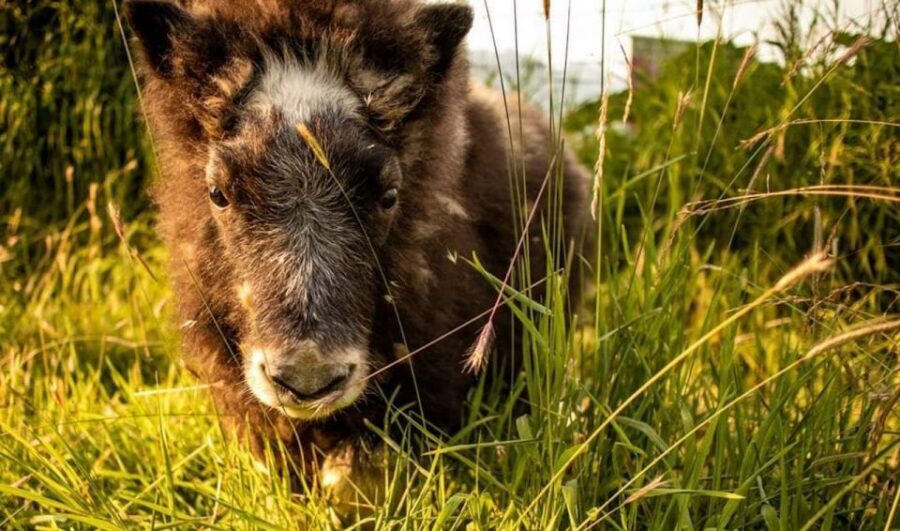
Winter is a major selling point here, but you need to dress for it like it’s real winter Alaska. Ice grippers are recommended during winter months, and I treat that as a non-negotiable safety note, not a suggestion.
Bring layers you can adjust. When you’re walking a loop, you’ll warm up, then cool down when you pause at a viewing point. If you’re doing the driving version, you’ll still get out of the vehicle, so gloves, a hat, and warm socks matter.
Plan to keep a little extra time. Last entry is 1 hour before closing, so you don’t want to park at the far side of the loop with 45 minutes to go. A calm pace gives you time to read the signage and actually watch behavior—otherwise you’ll feel like you’re doing a checklist instead of an experience.
Also keep your expectations flexible. One visitor summed it up with a simple reality: on snowing days, animals were hiding, and the visit improved later. If you’re able to pick among days, choose the least intense weather—but if that’s not possible, you can still have a strong outing.
Cost and value: why $27 makes sense
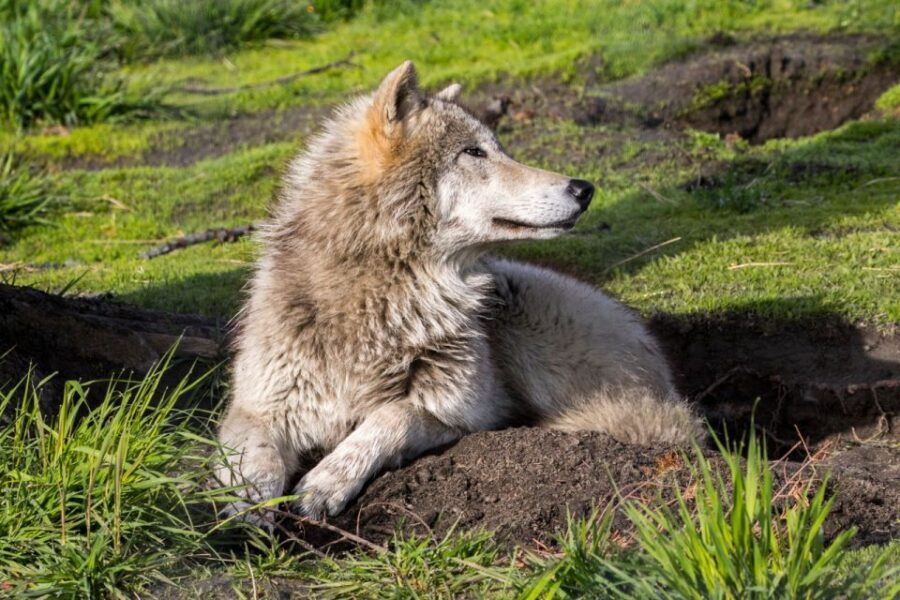
At $27 per person, the ticket is fairly easy to justify if you value wildlife plus education in one place. You’re not paying for a performance. You’re paying to spend time in a sanctuary, and your admission supports ongoing conservation work, education, research, and animal care.
The value is also in the pacing. This isn’t a locked-in schedule with one “start at exactly 10:00” moment and then rushing between stops. Your ticket is valid for one day, and the center runs starting times that you check based on availability. That means you can match your visit to your broader travel day.
In addition to admission, you get a map (physical or digital). Small perk, big practical impact. A map helps you avoid backtracking and focus on the parts you care about, especially on a loop that can be explored by different modes.
One more value angle: accessibility. The center is wheelchair accessible, and the option to drive is a real win if someone in your group has mobility limits. You can still experience the whole loop without turning it into a struggle.
Getting the most out of your visit
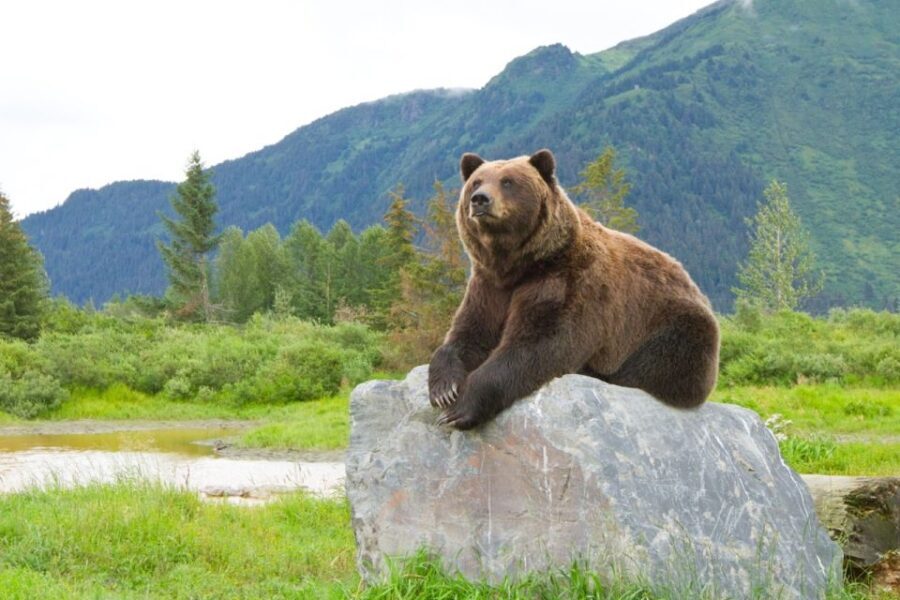
A self-tour is only as good as your preparation. I’d come ready to use the signage. The interpretive signs at each habitat can turn “I saw an animal” into “I understand what this sanctuary is doing for that animal.”
If there’s an audio option available during your visit, plan to use it offline. One visitor specifically noted that WiFi isn’t accessible for downloading, and recommended downloading the audio link before you arrive. Even if you don’t end up using audio the whole time, having it ready removes one more headache.
Don’t ignore the quieter stops. People often remember the big moments—bears up close are a common highlight—but the center also has small surprises. A climbing porcupine, active birds, and changes in shelter behavior can make your experience feel fresh even after you’ve seen the first few habitats.
Finally, give yourself enough time to enjoy it, not race through it. Several visitors described walking through the center as easy and worth it, with expansive areas and breathtaking views. That’s the right mindset: settle in, watch for movement, then move on when the pacing feels right.
Souvenirs and local meaning: taking something home
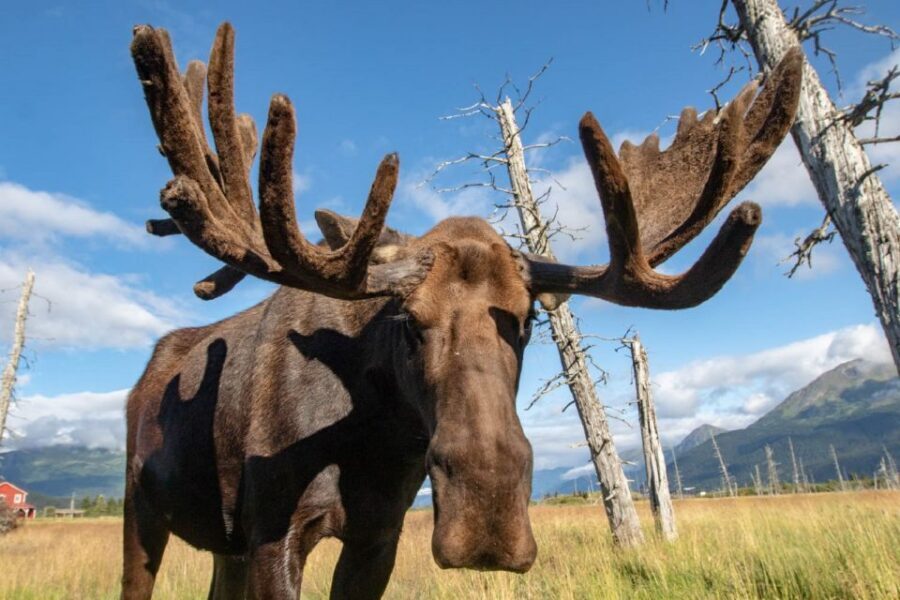
There’s a souvenir store on site, and it can be a nice end cap if you want something that supports the place. One visitor specifically called out the store as a great souvenir spot, which makes sense: you’re leaving after a meaningful day, and it’s a good moment to grab a small reminder of where your admission went.
This is also one of those activities that stays with you because it’s straightforward. You’re not chasing gimmicks. You’re seeing how a conservation center works in the real world, surrounded by Alaska scenery.
Should you book AWCC admission?
Yes—if you want close-up Alaska wildlife in a sanctuary setting and you like the freedom of a self-guided outing. I’d especially recommend it if you’re traveling in winter or shoulder seasons, because the center’s loop can be enjoyed on skis, a fat bike, or even via kick-sled rentals.
I’d think twice only if you’re very weather-averse and your schedule is too tight to adapt. Rain or snow can push many animals into shelters, and you’ll still get a good visit, but the wildlife action may be more subtle. If you can choose a day with steadier conditions, you’ll likely see more activity.
If your group includes different ages or mobility levels, this is a smart pick because the center supports multiple ways to explore the loop.
FAQ
Where is the Alaska Wildlife Conservation Center?
It’s located in Portage Valley, Alaska, surrounded by the Chugach Mountain Range and near Turnagain Arm Inlet.
What is included with the Alaska Wildlife Conservation Center admission ticket?
Your ticket includes admission access to the center and a map (either physical or digital).
How much does the ticket cost?
The price listed is $27 per person.
How long is the ticket valid?
The ticket is valid for 1 day. You’ll need to check availability to see starting times.
Is the center wheelchair accessible, and can I drive the loop?
Yes, the center is wheelchair accessible, and you can explore the loop by car, bike, or on foot.
Is WiFi available for downloading an audio option?
One review noted that WiFi is not accessible, so if there’s an audio option you plan to use, download the link before you arrive.
When is the last entry?
Last entry is 1 hour before closing.
Do I need special gear in winter?
Ice grippers are recommended during the winter months.