REVIEW · ANCHORAGE
Matanuska Glacier Backcountry Ice Climbing
Book on GetYourGuide →Operated by NOVA Alaska Guides, Whitewater Rafting & Glacier Tours · Bookable on GetYourGuide
Ice climbing feels wild, in the best way. On Matanuska Glacier, this 8-hour day turns a guided walk into real rope-and-ice experience—perfect for first-timers—on Alaska’s accessible, active glacier.
I especially like the personal instruction: you get taught how to fit crampons, swing an ice axe, and move safely on vertical ice without feeling rushed. I also love the feel of the backcountry approach—tough enough to make it an adventure, but set up so you’re learning the right skills as you go.
One thing to plan for: the glacier park gate fee is separate and paid at check-in, so your real total is a bit higher than the base price.
Key things that make this ice climbing day worth it
- Beginner setup on real glacier ice: lower-angle walls with room to learn, not a technical course
- 1:4 guide-to-guest ratio: more time with your instructor instead of watching from the sidelines
- Backcountry approach: you trek over moraine and past the white glacial face to reach shifting climbing features
- All gear is provided: crampons, helmets, ice axes, harness, ropes, and hardware included
- Warm-season climbing: you’re scaling vertical ice in summer, when you’d least expect it
In This Review
- Entering the Matanuska Glacier Ice Climb Zone
- NOVA Alaska Guides and the Quick Start With Real Safety Talk
- The Glacier Trek: Moraine, the White Face, and the Backcountry Switch
- How the Guides Teach Ice Climbing Without Making It Technical
- The Crampons, Ice Axes, and Ropes Moment You Actually Remember
- What You Wear and Pack: Warmth, Weather, and Glacier Common Sense
- Gear Provided: You Can Travel Light and Still Climb
- The Real Value: $249 Plus the Gate Fee Math
- Who This Backcountry Ice Climb Fits (and Who Should Skip It)
- Weather, Timing, and What the Day Feels Like From Start to Finish
- Should You Book This Matanuska Glacier Ice Climb Day?
- FAQ
- Is this ice climbing experience beginner-friendly?
- How long is the tour?
- What gear is provided?
- What should I bring with me?
- Do I need to pay a glacier park entrance fee?
- How much is the gate fee?
- Is transportation from Anchorage included?
- Is this tour safe for children or older adults?
- Are drones allowed on the glacier?
- Can I cancel for a refund?
Entering the Matanuska Glacier Ice Climb Zone
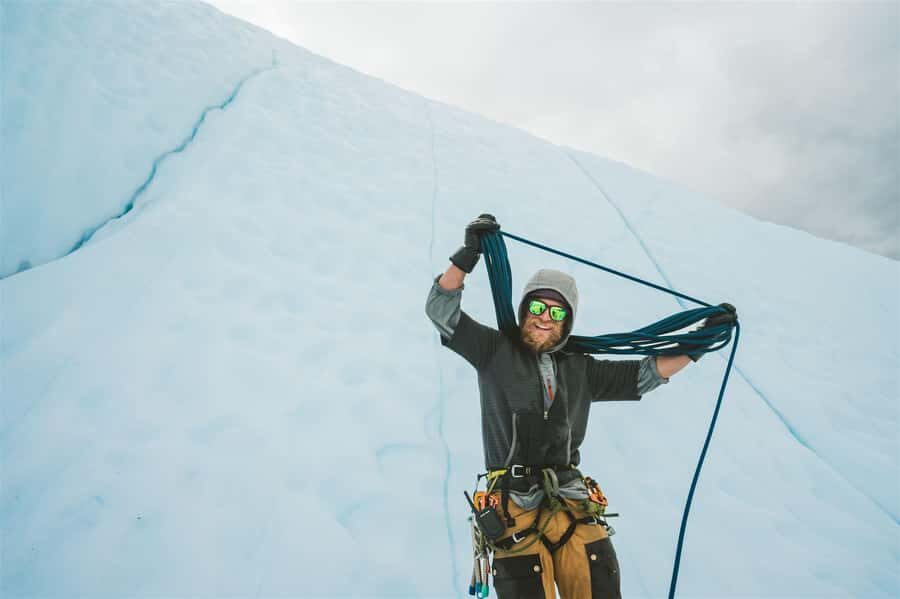
The Matanuska Glacier is one of Alaska’s easiest big thrills to reach, and that matters for a first ice climb. It’s about 100 miles north of Anchorage, and it’s right in the Chugach Mountains—so you’re trading long, exhausting travel days for focused time on ice. The glacier itself is long (26 miles) and actively advancing, which means the ice features you climb can keep changing.
What makes this day feel special is that you’re not just walking around. You’re learning to climb vertical ice in an environment designed for beginners and guided progression. You’ll work on walls that are roughly 50+ feet (often described as lower-angle) and set up with anchor systems so you can focus on technique and safety.
NOVA Alaska Guides and the Quick Start With Real Safety Talk
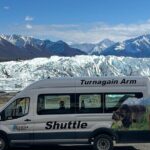
You meet at NOVA Alaska Guides at Mile marker 96.5 Glenn Hwy, near Hick’s Creek bridge. From there, you’ll take a van ride—about 15 minutes—to the glacier staging area. The pace stays practical: you’re not spending the day stuck in transit.
Before you get moving on the glacier, you’ll get a safety briefing (about 15 minutes). This is where the guides translate the basics into plain action: how you’ll move as a team, what you should watch for, and what you’ll do if something feels off. It’s also a moment to set expectations. This is an introductory experience, not a technical mountaineering course, and the goal is to give you safe skills you can actually use.
One thing I like about this type of setup is that it reduces mystery. Ice climbing sounds scary until someone shows you how the system works and why each step matters.
Other Matanuska Glacier hikes and tours weve reviewed in Anchorage
The Glacier Trek: Moraine, the White Face, and the Backcountry Switch
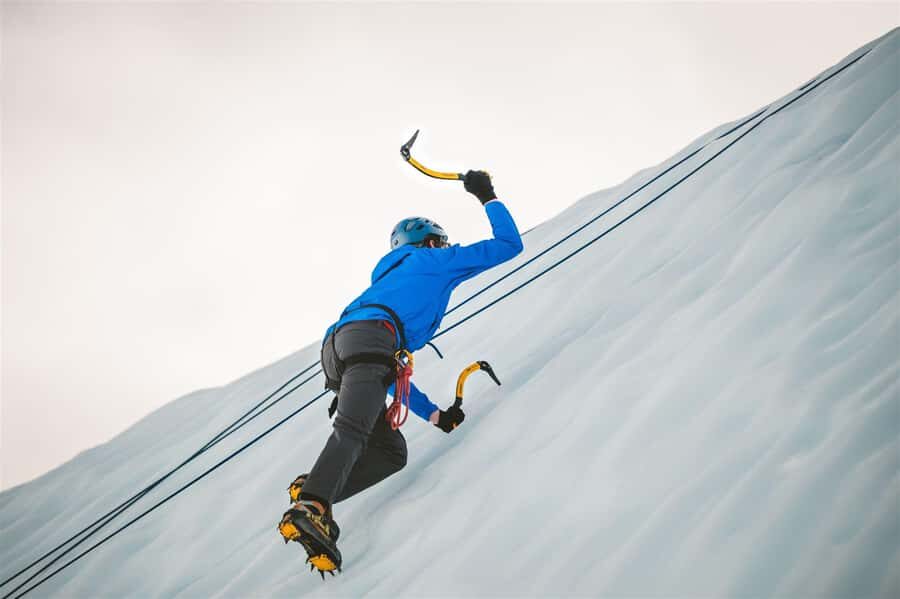
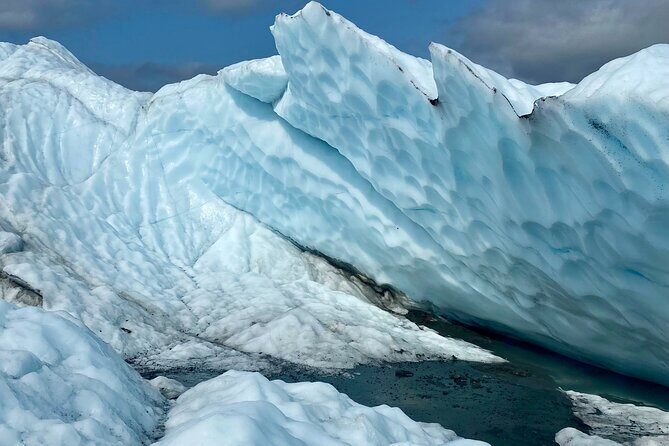
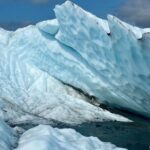
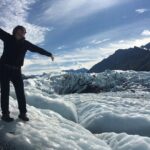
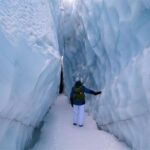
Your climbing day isn’t a straight lift-and-climb. You’ll trek from the main glacier area toward the climbing zones, crossing rocky glacial moraine and passing the bright glacial face. That approach is part of the magic—and part of the work.
This is also where the word backcountry becomes real. The glacier surface changes constantly. As ice molds and melts, new features appear and old ones disappear. That means your climb can feel like it’s on a living structure instead of a fixed wall. It also means the guides are reading conditions as they go, which is exactly what you want on glacier terrain.
The trek to the climbing spot is described as about a mile up and down. So you’re likely walking on uneven ground and moving over glacier terrain while your brain stays focused: feet placement first, then technique.
How the Guides Teach Ice Climbing Without Making It Technical
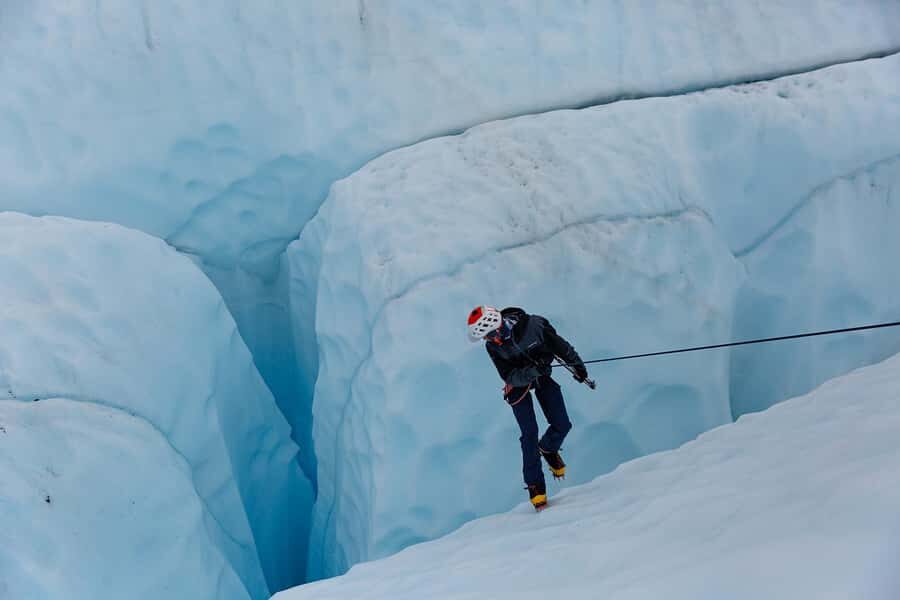
Once you reach your climbing area, the day becomes hands-on fast. The anchors that secure the system are set up quickly—think just a few minutes—so you’re not waiting around while gear gets complicated.
Then the instructor brings you into the learning zone:
- You get harnessed and checked.
- You review safety protocols again, but now connected to the actual climb.
- You practice core movement skills before going up the ice.
This is the part most beginners care about: you’re not expected to know how to ice climb ahead of time. The experience is designed as a clinic-style introduction, so the focus stays on foundational skills rather than technical route work.
And yes, you’ll climb in summer. Cold gear helps, but warmer months make the logistics easier. It’s still a glacier, so you’ll want your warm layers, but you’re not trapped in peak-winter travel conditions.
The Crampons, Ice Axes, and Ropes Moment You Actually Remember
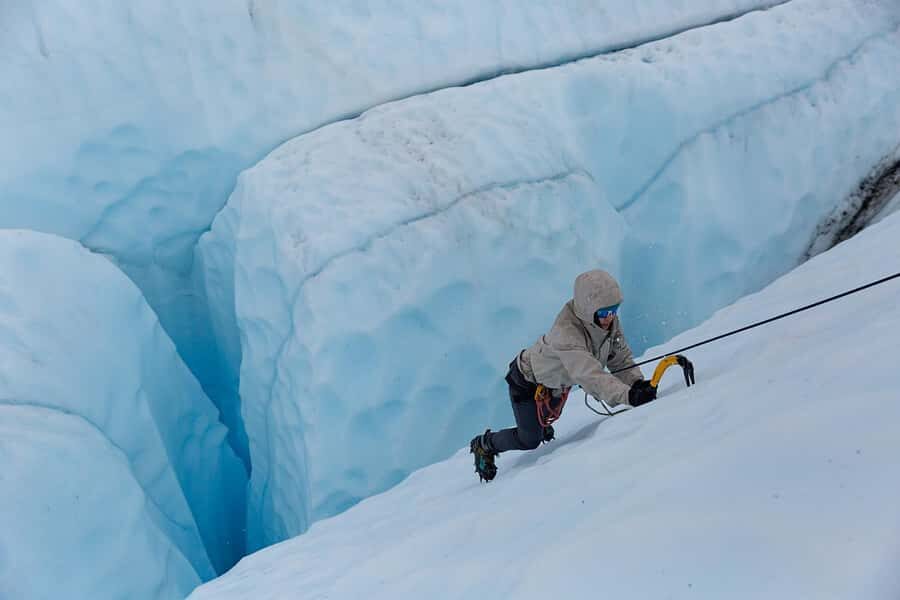
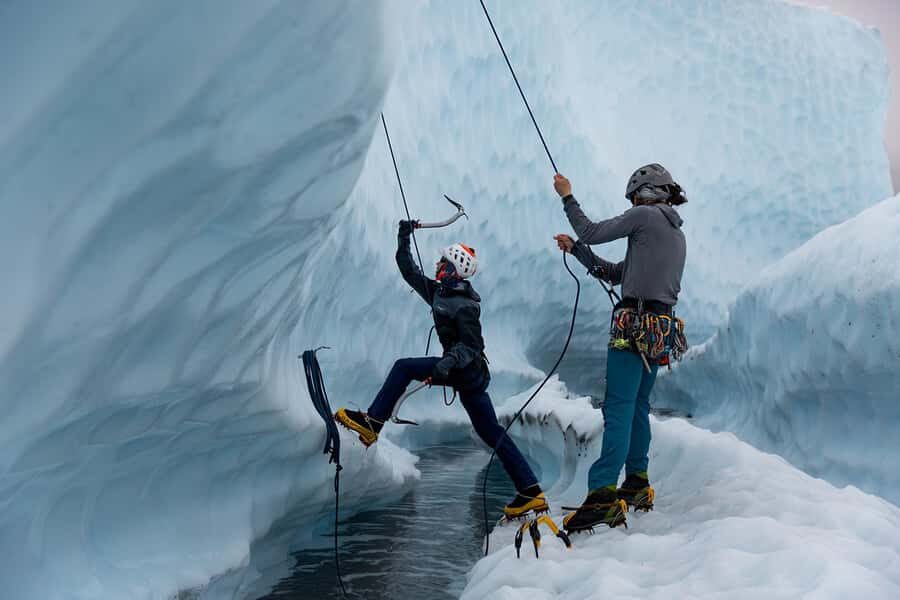
Ice climbing turns you into a problem-solver. Your boots don’t behave like hiking shoes, and your tools matter immediately. The guides teach you how to put crampons on correctly and how to use your ice tools and climbing hooks.
If you’re the kind of traveler who learns best by doing, this day fits you. Instead of memorizing theory, you get a short instruction, then you put it into action. That’s where the 1:4 guide-to-guest ratio really shows: you’re getting attention while you figure out what works for your grip, your stance, and your movement.
Some skills you’ll likely get coached through include:
- How to position your feet so crampons bite cleanly
- How to place ice axe strikes with control
- How to move through a climb safely using the rope system
The best part is confidence. Once you’ve climbed a bit and realized you’re not fighting the ice with blind force, it stops being a scary sport and starts being a guided challenge.
What You Wear and Pack: Warmth, Weather, and Glacier Common Sense
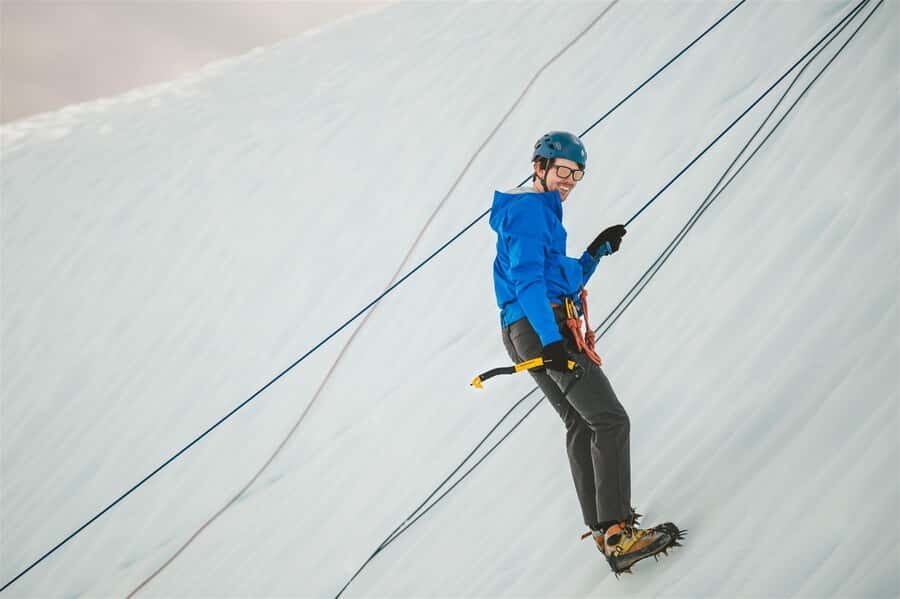
Glacier days have a reputation for being cold, and this tour still expects you to dress for it. You’ll be on the ice and hiking over uneven terrain, so warmth and waterproof layers matter.
Bring:
- Warm clothing
- Sunglasses
- Hat
- Sunscreen
- Water
- Rain gear
- Gloves
A small pack helps for personal items like snacks and cameras. You’re also a lot happier when you can keep your hands warm enough to work your gear.
Two small practical notes I always follow on glacier tours:
- Sunscreen matters even when it feels chilly because light reflects off ice.
- Sunglasses aren’t optional—ice glare is real.
Other glacier tours and cruises weve reviewed in Anchorage
Gear Provided: You Can Travel Light and Still Climb
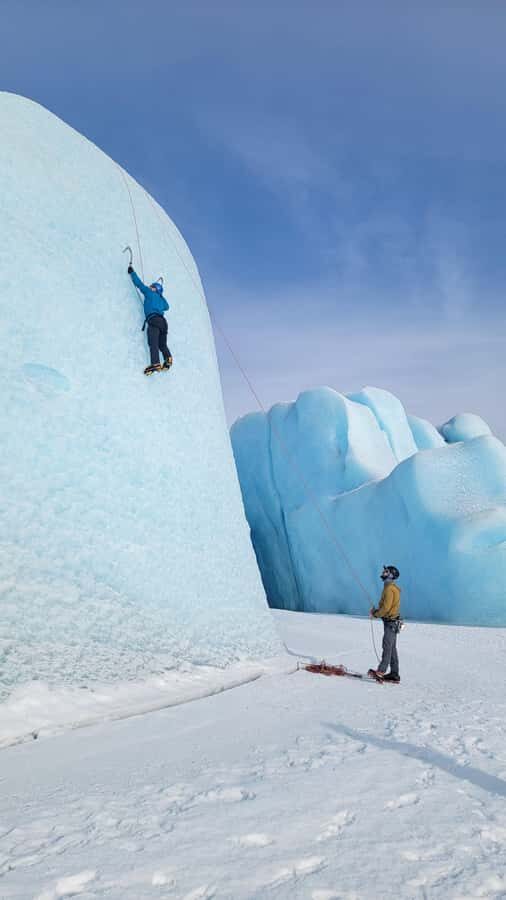
One of the best “value” tricks on this tour is that all gear and equipment is provided. You don’t have to track down crampons or worry if your harness fit feels wrong.
Included gear covers:
- Hiking boots
- Crampons
- Helmet
- Ice axes
- Harness
- Climbing ropes and hardware
This is a big deal for travelers. Renting or buying glacier gear separately can turn a day-trip into a gear project. Here, the focus stays on climbing and learning.
The Real Value: $249 Plus the Gate Fee Math
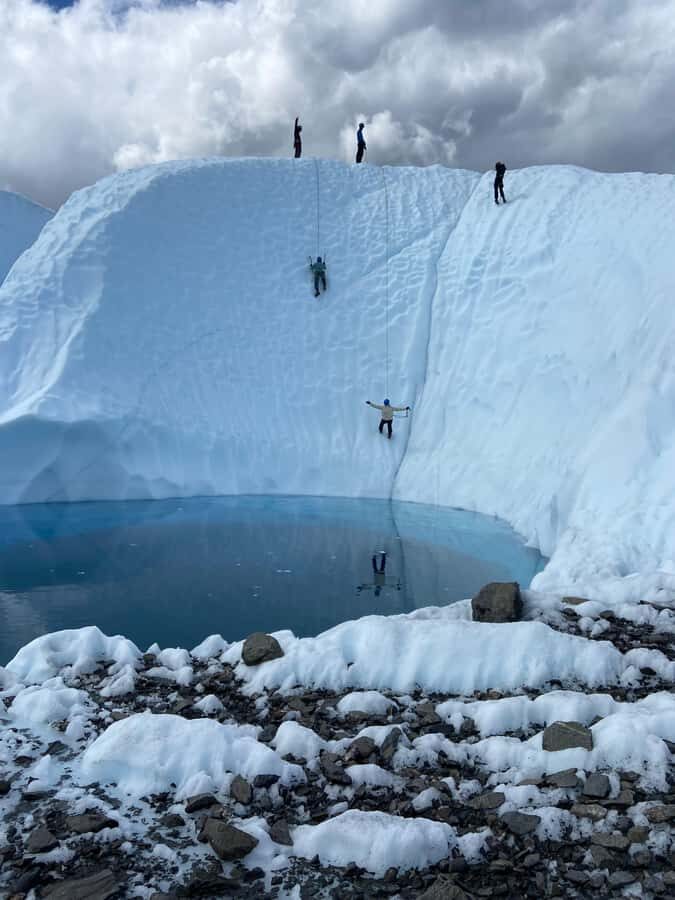
At $249 per person for an 8-hour guided day, this is priced for active instruction—especially since gear is included. You’re paying for real guiding time, safety systems, and teaching you how to climb, not just letting you roam around the glacier.
But do the math before you commit.
The glacier park is privately owned, and there’s a gate fee each time you go through:
- $55 per person for adults (17+)
- $25 for teens (13–16)
- $30 for Alaska residents, military, and seniors (65+)
This gate fee is not included in the tour price and is paid at trip check-in. Also, Alaska state passes don’t apply for this gate.
That means your total cost can jump, depending on your age and residency. Still, if you’re coming from Anchorage (or beyond), the cost can make sense because the shuttle to the glacier and full instruction are wrapped into the day.
One more thing: transportation to and from Anchorage is not included. If you’re staying in the Anchorage area, confirm your plan for getting to the meeting point and back.
Who This Backcountry Ice Climb Fits (and Who Should Skip It)
This is a great fit if:
- You’re curious about ice climbing but have no experience necessary
- You want an intense day that teaches you real skills
- You’d like personal attention with a 1:4 guide-to-guest ratio
- You’re comfortable with physical activity on glacier terrain
It’s not suitable if you:
- Are under 12
- Are over 65
- Weigh under 99 lbs (45 kg)
- Weigh over 250 lbs (113 kg)
- Have heart problems
Those limits aren’t random. Glacier climbing is physically demanding and safety-dependent, so the guide team has to design the day around what’s realistic and safe.
Weather, Timing, and What the Day Feels Like From Start to Finish
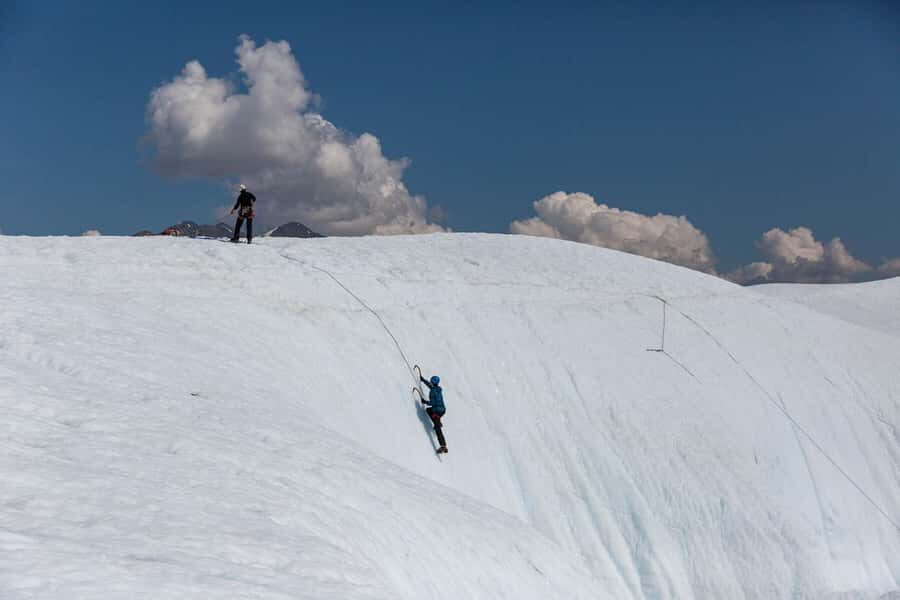
The schedule is simple: meet, van ride, safety briefing, then guided climbing and hiking for roughly 7 hours on the glacier, plus time for the shuttle back.
You’re likely to feel:
- Early energy from gearing up and getting taught
- A steady focus as you hike across moraine
- Big concentration during your first climb attempts
- A satisfying tiredness by the end
Because conditions change and ice features evolve, every day is different. That’s not a marketing line here—it’s just how glaciers work. For you, it means you’re paying for a guided day on changing ice, not a scripted performance.
Should You Book This Matanuska Glacier Ice Climb Day?
Book it if you want a beginner-friendly introduction to vertical ice climbing with instruction you can actually use. The combination of full gear, a structured safety plan, and a small guide ratio makes this one of the more approachable ways to try the sport.
Skip it if you can’t handle icy outdoor conditions, don’t want physically active hiking, or fall outside the safety limits (age, weight, and health restrictions). Also, if you’re cost-sensitive, do the gate fee math first so you’re not surprised at check-in.
If you’re the type who likes learning by doing, this day has the right mix of adrenaline and coaching. And if you end up with a patient, hands-on guide like Ben or Thomas, you’ll probably leave with both new skills and a solid story you can’t stop telling.
FAQ
Is this ice climbing experience beginner-friendly?
Yes. It’s an introductory backcountry ice climbing experience, and no prior experience is required.
How long is the tour?
The guided experience runs for about 8 hours total.
What gear is provided?
You’re provided with hiking boots, crampons, a helmet, ice axes, a harness, climbing ropes, and hardware.
What should I bring with me?
Bring warm clothing, rain gear, gloves, a hat, sunglasses, sunscreen, and water. A small pack can be helpful for snacks and personal items.
Do I need to pay a glacier park entrance fee?
Yes. The Matanuska Glacier Park gate fee is privately owned, not included in the tour price, and is paid at trip check-in.
How much is the gate fee?
The fee listed is $55 per person for adults (17+), $25 for teens (13–16), and $30 for Alaska residents, military, and seniors (65+).
Is transportation from Anchorage included?
No. Shuttle to the glacier is included, but transportation to and from Anchorage is not included.
Is this tour safe for children or older adults?
It’s not suitable for children under 12, and it’s not suitable for people over 65.
Are drones allowed on the glacier?
No. This outfit has a no-drone policy for the glacier.
Can I cancel for a refund?
Yes. You can cancel up to 24 hours in advance for a full refund.