REVIEW · ANCHORAGE
Private Tour: Anchorage 3-Hour Tour
Book on Viator →Operated by Greatland Adventures · Bookable on Viator
Anchorage can feel big and spread out fast, so this tight private 3-hour loop helps you get your bearings without wasting daylight. I love the pickups that get you rolling right away, and I also like how the day mixes big Anchorage stories with real wildlife viewing spots. One thing to consider: if the weather is smoky or foggy, the best viewpoints (and some skyline shots) can look muted.
This is a private tour, so you’re not tied to a group shuffle or standing in lines with strangers. You’ll ride in a private vehicle, hear live commentary as you go, and stop often enough for photos without feeling rushed.
In This Review
- Key highlights worth your attention
- Why This 3-Hour Private Anchorage Tour Works When Time Is Tight
- Price and Value: What $648.55 Per Group Buys You
- Getting Around Anchorage: Pickup, Timing, and Weather Real Talk
- Stop-by-Stop in 3 Hours: From Ship Creek to Flattop Views
- Stop 1: Ship Creek
- Stop 2: Earthquake Park
- Stop 3: Point Woronzof
- Stop 4: Lake Hood Harbor (Lake Hood Seaplane Base)
- Stop 5: Beluga Point
- Stop 6: Potter Marsh Bird Sanctuary
- Stop 7: Flattop Mountain Trail (Glen Alps trailhead)
- Wildlife, Whales, and Real Alaska Routines
- Anchorage’s Biggest Story: Geology, Earth, and Why Views Matter
- The Practical Stuff: What to Bring and How to Get Better Photos
- Who This Private Anchorage Tour Fits Best
- Should You Book This Private Anchorage 3-Hour Tour?
- FAQ
- FAQ
- How long is the private Anchorage tour?
- How many people can be in a private group?
- How much does it cost?
- What’s included in the tour price?
- Are admission tickets included for the stops?
- When can you see beluga whales on this tour?
- Is this tour private, or will other groups join you?
- Can I cancel for a full refund?
- Is pickup available from both hotels and ports?
Key highlights worth your attention
- Ship Creek + Earthquake Park give you Anchorage’s “how it formed” and “how it survived” in one sitting
- Point Woronzof offers skyline views, and on clear days you may look toward Denali and the Alaska Range
- Lake Hood Seaplane Base shows daily Alaska in motion, with frequent flights right near town
- Beluga Point combines old habitation evidence with seasonal whale watching in Cook Inlet
- Potter Marsh boardwalk is a prime wildlife break, with eagle-nest hunting from the bluff
- Flattop Mountain Trail finishes with a big payoff: panoramic views from Glen Alps trailhead
Why This 3-Hour Private Anchorage Tour Works When Time Is Tight
If you only have a morning or afternoon in Anchorage, you need two things: smart route planning and a guide who can explain what you’re looking at. This tour hits both. It’s built as a 3-hour overview that still gives you real stops, not just quick drive-bys.
The private format matters. Your group of up to 12 stays together in one vehicle, and the pacing is easier to match to kids, strollers, slower walkers, or people who want a little extra time taking pictures.
Also, this route is a nice blend of “Anchorage downtown-adjacent” and “right outside it.” You’ll see the city’s structure, but you’ll also get out toward water and the Chugach foothills where the wildlife and views tend to show up.
Other private tours in Anchorage


Price and Value: What $648.55 Per Group Buys You
The price is listed per tour group, not per person, and your group can be as large as 12. That changes the math. If you’re traveling as a couple or a small family, it can feel pricey versus a public bus tour. But if you’re splitting the cost across more people, the value can get very real because you’re paying for private transportation plus a local guide for the full 3 hours.
Here’s the part that’s often worth more than you expect: you’re buying time. You get hotel or port pickup and drop-off, and you don’t have to figure out which stops are worth your limited daylight. And because it’s private, you can ask for adjustments on the fly when you see what the day gives you—clear skies, calm water, good wildlife conditions, or a better angle for photos.
One more value check: food and drinks aren’t included, so plan your own snack break if you need one. That’s not a deal-breaker, but it’s one of the few “out of pocket” items you should budget for.
Getting Around Anchorage: Pickup, Timing, and Weather Real Talk
You’ll have hotel/port pickup and drop-off, and the tour runs in English. You’ll also use a mobile ticket. Those small details matter because Anchorage weather can be fickle, and it’s easier when your plan doesn’t depend on you finding a meeting point in the cold.
Weather is the practical wildcard. One guest mentioned wildfire smoke interfering with views and air quality at Potter Marsh. That’s a good reminder: this area can sometimes have haze. If you’re sensitive (or you just want crisp views from overlooks), keep an eye on sky conditions that morning.
Bring layers. Even in daylight, you can get chilly near water, and you’ll be out at multiple stops. If you have binoculars, bring them. You’ll be standing at marsh and bluff areas where spotting eagles can be part of the fun.
Stop-by-Stop in 3 Hours: From Ship Creek to Flattop Views
This itinerary is set up like a guided highlight reel of Anchorage’s identity. Each stop adds a different “chapter,” from waterways and geology to flight culture and wildlife.
Stop 1: Ship Creek
Ship Creek is a river flowing from the Chugach Mountains into Cook Inlet. This is the opening scene. It helps you understand how water shapes Anchorage—where salmon make their move, where wildlife hangs around, and why the city grew where it did.
It’s also a quick, low-pressure start. The time here is short, and admission is free, so it’s a good first photo stop before you head into deeper viewpoints.
A few more Anchorage tours and experiences worth a look
Stop 2: Earthquake Park
Then you get the story that anchors Anchorage in a single, unforgettable moment. Earthquake Park commemorates the 1964 earthquake, when a whole neighborhood slid into the ocean. The scale is hard to picture until you stand in the woods and read the signage describing it as a 9.2 quake that lasted about four minutes.
This stop is free, and it’s valuable because it adds context. Once you’ve seen how the ground and shoreline were reshaped, everything else you’ll visit later makes more sense. Anchorage isn’t just scenic—it has scars, resilience, and lessons.
Stop 3: Point Woronzof
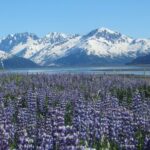
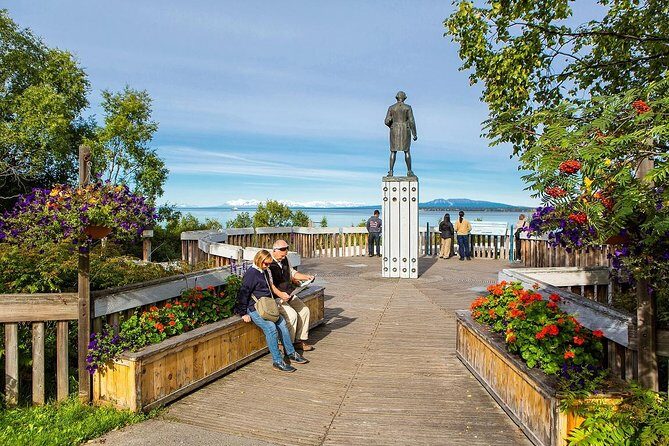
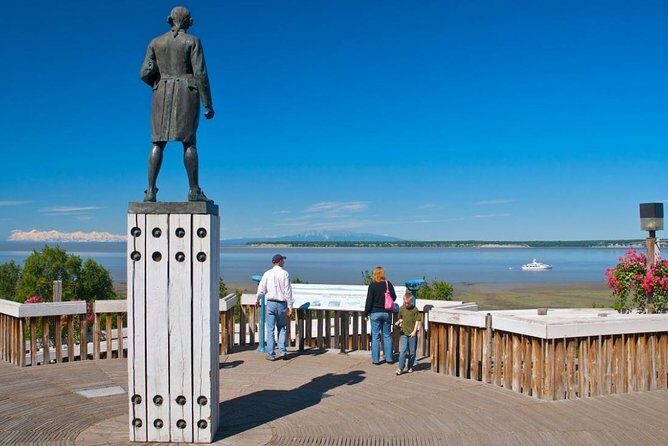
Point Woronzof is the “look out and connect the dots” stop. From this downtown viewpoint, you can see the Anchorage skyline. If it’s clear, you may also look toward Denali and the Alaska Range, which is the kind of bonus that makes the photo batch worth it.
This is one of those stops where conditions matter. If visibility is poor, it’s still worth going for the city framing and the ocean-side perspective, but you may lose the faraway mountain payoff.
Stop 4: Lake Hood Harbor (Lake Hood Seaplane Base)
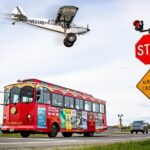
Lake Hood is one of Anchorage’s signature scenes because it’s where aviation becomes a daily habit. It’s a state-owned seaplane base open to the public, and it’s close to the airport—about three miles from downtown.
The big number here is flights per day: on average, around 190 flights. You’ll feel that rhythm even if you don’t time it. It’s Alaska in motion, right near the city, and it’s a fun contrast after the quiet weight of Earthquake Park.
Stop 5: Beluga Point
Beluga Point is both history and wildlife in the same shoreline space. It’s an archaeological site listed on the National Register of Historic Places. The artifacts—some dating to 8,000 to 10,000 years old—are evidence of very old habitation in the Anchorage area.
Then you add the wildlife angle. Beluga whales can be spotted seasonally, July through August, as they visit Cook Inlet to feed during the Pacific salmon run. Even when whales don’t show, the setting is compelling because you’re watching the same food chain Alaska has kept alive for millennia.
Stop 6: Potter Marsh Bird Sanctuary
Potter Marsh is the best kind of break: calm, scenic, and wildlife-focused. This spot sits at the southern end of the Anchorage Coastal Wildlife Refuge, and you’ll walk part of a wooden boardwalk through marsh habitat.
The boardwalk length is 1,550 feet, and it crosses watery openings and sedges—exactly the kind of habitat birds use. You might see species that include Canada geese and several duck varieties, and eagles can show up in the cottonwoods near the bluff base. If you have binoculars, this is a great place to put them to work.
Timing tip: this stop is where air conditions matter a lot. If smoke is in the mix, you may still enjoy the walk, but the viewing and photos can suffer.
Stop 7: Flattop Mountain Trail (Glen Alps trailhead)
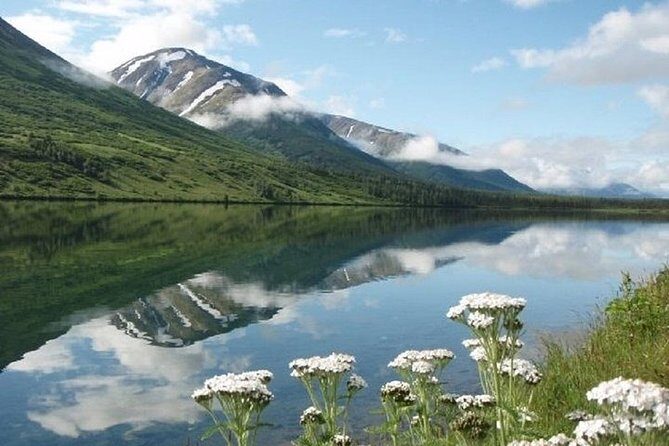
Flattop is the payoff stop. You’ll head to the Glen Alps trailhead in Chugach State Park, where views open up over the Anchorage bowl and toward alpine areas.
This stop is included as part of the tour time, so you’re not deciding on your own whether the trail is worth it. If you’ve got limited time in Anchorage, this is the kind of final act that turns the day from a checklist into a memory.
Wildlife, Whales, and Real Alaska Routines
Wildlife is built into this tour in a practical way. You’re not just told to hope. You hit a marsh (Potter Marsh), a shoreline/wildlife point (Beluga Point), and you see how the salmon run connects to the larger system.
Beluga whales are seasonal, which means you should treat it like a bonus. July and August are the key window listed for whale sightings. If you’re outside that range, you may still enjoy the site for its shoreline setting and historic context, but don’t plan your whole trip around whale timing.
What I like about Potter Marsh is that it’s not only about the big stuff. It’s a birders’ stop with a boardwalk route that helps you see more than you’d get by wandering. And the eagle-nest clue—looking in cottonwoods near the bluff—gives you something actionable during the walk.
Anchorage’s Biggest Story: Geology, Earth, and Why Views Matter
Earthquake Park isn’t a side quest. It’s one of the core stops because it changes how you interpret Anchorage. When you know what happened in 1964, you start noticing how the land and coast behave.
Point Woronzof then becomes more than a pretty skyline view. On clear days, looking toward Denali and the Alaska Range ties Anchorage to the larger Alaska picture. Even when faraway peaks are out of reach due to clouds, the vantage point helps you understand how close the city sits to wilder terrain.
This is also why the last stop at Flattop feels like a natural close. You end the tour with a view that shows how Anchorage fits under the mountains instead of sitting apart from them.
The Practical Stuff: What to Bring and How to Get Better Photos
You’ll likely be moving between viewpoints and waterfront stops. So I’d pack for comfort, not just for photos.
Bring:
- Layers for cold air near water and in the trees
- Gloves if you run cold
- Binoculars if you like birds or want to spot eagles
- A phone or camera with charged battery (you’ll stop often)
Food and drinks aren’t included. That means you’ll want to plan a snack before or after the 3-hour block. One guest said snacks and water were provided during their tour, but that isn’t listed in the core inclusions, so I wouldn’t count on it as your only fuel.
If you’re aiming for skyline or mountain views, check sky conditions. When visibility is decent, Point Woronzof becomes much more rewarding. When it’s hazy or smoky, focus on the storytelling stops and the wildlife routines, which still deliver even if the far peaks fade.
Who This Private Anchorage Tour Fits Best
This tour is a strong pick if:
- You have limited time and want a real overview without running around
- You’re traveling with kids or family and want a manageable route length
- You want a private experience, not a public “stand here, listen, move on” day
- You care about both culture and the natural world—history, wildlife, and views
It’s also a good first tour when you arrive, because it gives you a framework for what you’ll notice later on your own. If you’re the type who likes asking questions, the live commentary format helps you turn each stop into something more than a photo.
From the company side, the tour is private, with only your group participating. Service animals are allowed too, and most travelers can participate—so it’s not just for hikers and hardcore outdoors people.
Should You Book This Private Anchorage 3-Hour Tour?
I’d book this tour if you want to get grounded fast in Anchorage—water, city framing, flight culture, wildlife habitat, and Alaska’s geology story—without a full day plan.
It’s not the cheapest way to see Anchorage, but it is a smart spend when you factor in private vehicle transport, pickup and drop-off, and local guide time. The stops are spaced so you’re not trapped in a van the whole day, and the route hits several high-impact Anchorage features in only three hours.
One final decision point: if your dates overlap with questionable visibility (like smoke), treat the wildlife and history stops as your reliable wins. You can still have a great time even if the view from Point Woronzof isn’t crystal clear.
FAQ
FAQ
How long is the private Anchorage tour?
It runs about 3 hours.
How many people can be in a private group?
The maximum group size is 12.
How much does it cost?
The price is $648.55 per group (not per guest).
What’s included in the tour price?
You get a local guide, a private tour with live commentary, transport by private vehicle, and hotel/port pickup and drop-off.
Are admission tickets included for the stops?
Admission is listed as free for all the stops shown in the itinerary.
When can you see beluga whales on this tour?
Beluga whale sightings are listed as seasonal from July through August.
Is this tour private, or will other groups join you?
It’s private. Only your group participates.
Can I cancel for a full refund?
Yes. You can cancel up to 24 hours in advance for a full refund.
Is pickup available from both hotels and ports?
Yes, pickup and drop-off are offered for hotels or ports.
(You’re all set if you want to share your travel dates and your group size—I can help you sanity-check whether these specific stops line up well with the time of year you’re going.)