REVIEW · ANCHORAGE
Winter – Wildlife & Turnagain Arm Tour
Book on Viator →Operated by Alaska's Finest Tours & Cruises · Bookable on Viator
Winter in Alaska has a way of hitting fast. This Anchorage tour strings together wildlife time and big Turnagain Arm scenery in one manageable afternoon. You get round-trip transportation, short photo stops, and just enough walking for a winter day trip.
What I like most is the mix: first the Alaska Wildlife Conservation Center (real, rescue-focused wildlife viewing) and then the long scenic drive along the Seward Highway toward Portage Glacier. I also like the small-group setup, capped at 14 travelers, which makes it easier for your guide to stop for photos and keep everyone together in snow and ice.
One consideration: this is built for good conditions. It runs in winter, and like most Alaska tours, you’ll want to dress for cold waits outdoors and have a moderate fitness level for short walks and uneven winter ground.
In This Review
- Key things to notice before you go
- Why this Anchorage winter wildlife loop works for short stays
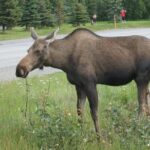
- Alaska Wildlife Conservation Center: the winter animal stop that actually delivers
- Beluga Point and the Turnagain Arm feel along the Seward Highway
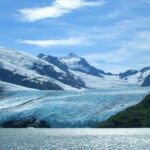
- Portage Glacier: short time, serious ice views
- Guides on this tour: why the day feels fun, not just informative
- Winter logistics: what you should pack and how to make it easy
- Price and value: what $149 buys you in the real world
- Should you book this Winter – Wildlife & Turnagain Arm Tour?
- FAQ
- How long is the Winter – Wildlife & Turnagain Arm Tour?
- Where does the tour start in Anchorage?
- What does the tour cost?
- Is transportation included?
- What language is the tour offered in?
- How big is the group?
- Which stop includes admission?
- How much time is spent at each major stop?
- Is the tour suitable for people with limited mobility?
- What happens if weather is bad?
- Can I cancel for a refund?
Key things to notice before you go
- A tight 4.5-hour “greatest hits” loop from Anchorage that doesn’t eat your whole day
- Alaska Wildlife Conservation Center included with plenty of time to roam 140+ acres
- Turnagain Arm stops that reward timing (and your guide will help you park and shoot)
- Short Beluga Point pause with dramatic views over the water
- Portage Glacier time in Portage Valley, with multiple glacier remnants nearby
- Small group max of 14 for safer driving and easier photo handling
Why this Anchorage winter wildlife loop works for short stays
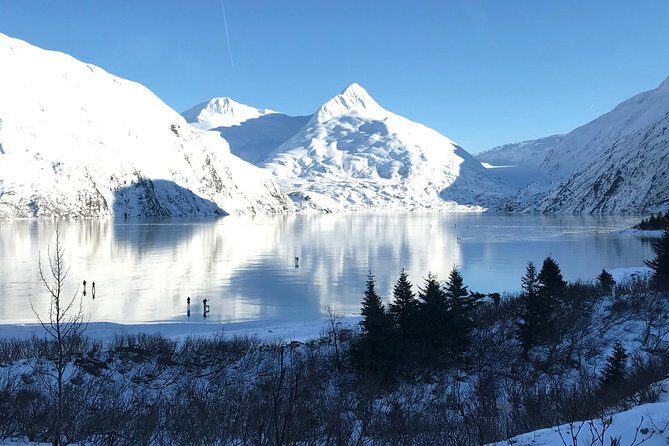
If your Anchorage trip is short, winter can feel like a paradox. The days are shorter, the weather changes quickly, and it’s easy to burn time figuring out what’s worth doing. This tour solves that by packing the drive-and-see highlights into a single afternoon with round-trip pickup from 509 W 3rd Ave.
The schedule is also designed for momentum. You start at 11:00 am, make one major wildlife stop first, and then you move into scenic viewpoints before wrapping up back at the meeting point. That flow matters in winter: you don’t want to spend half the day “waiting to start” or constantly switching plans.
The price, $149 per person, is fair when you factor in the structure. You’re not just paying for viewpoints; you’re paying for transportation, guided timing, and an included admission stop at the conservation center. You’ll still want to budget for personal comfort items (like snacks or optional extras), but the core experience is covered.
Also, the small group size (max 14) changes how the day feels. It’s easier to hear your guide, easier to manage photo stops, and easier to keep everyone safe when roads are icy and pull-offs are crowded.
Other Turnagain Arm scenic drives and tours in Anchorage

Alaska Wildlife Conservation Center: the winter animal stop that actually delivers
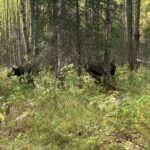
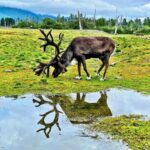
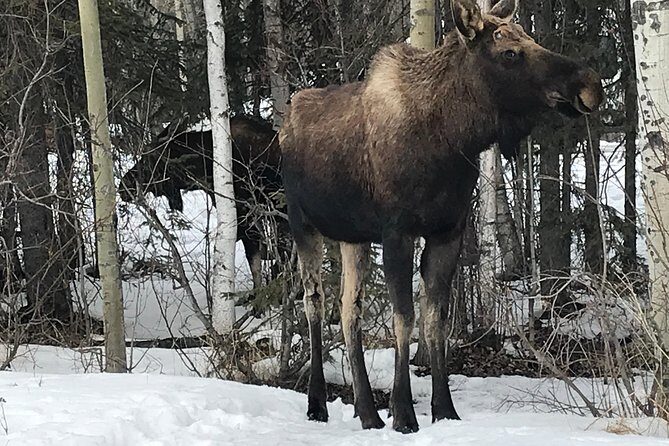
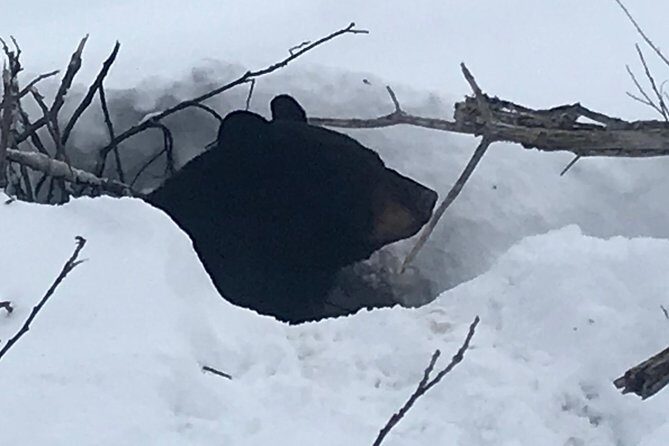
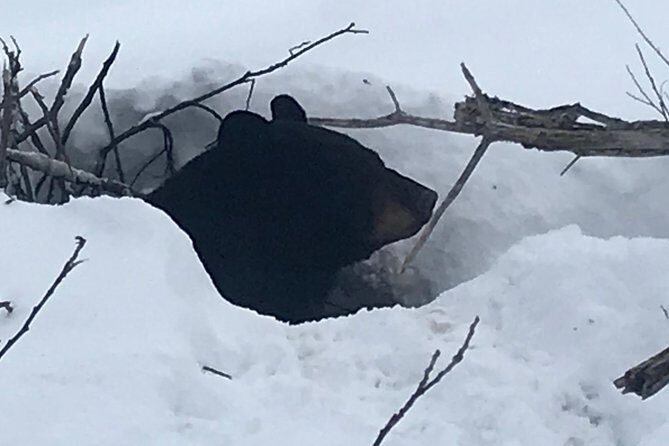
Your first real anchor point is the Alaska Wildlife Conservation Center. Think of it as a way to see winter wildlife without gambling on perfect outdoor conditions. The center sits on 140+ acres of natural habitat, and you’re given about one hour to explore.
Why this matters: in winter, animals may be harder to spot in the wild. At the conservation center, you’re in a place built for seeing native wildlife in a controlled, educational setting. The focus is rescue and rehabilitation, so the animals you may spot are there for a reason.
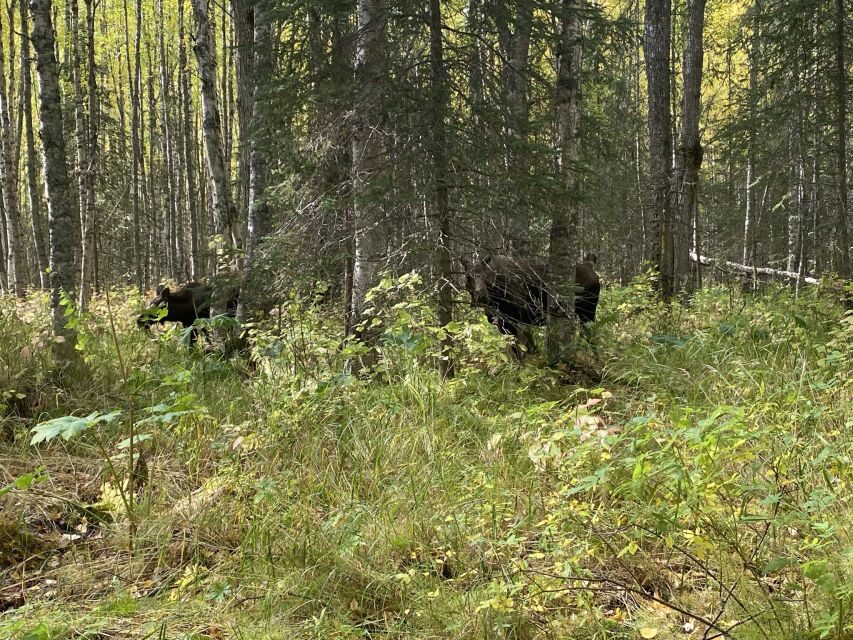
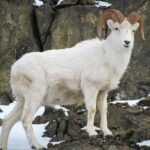
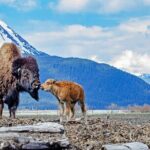
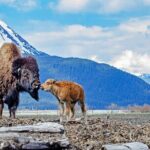
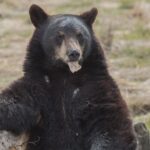
The center is known for species like bears, moose, reindeer, lynx, wolves, and more. People also call out seeing animals up close that they hadn’t expected to spot so directly, like musk ox. Even if you don’t get every species, you still get the big win: you’re walking a natural habitat loop with a good chance of seeing real Alaskan wildlife behavior, not just distant silhouettes.
What to watch for (and how to enjoy it):
- Stay close to your group and use the time you have. One hour goes fast when you’re trying to spot movement and fur.
- Dress in layers and keep gloves handy. Cold hands ruin photo quality fast.
- If you’re aiming for photos, plan for quick stops. The best shots often come when an animal shifts position.
A quick drawback: you’re exploring outdoors, and winter ground can be slick. The tour notes moderate physical fitness, which makes sense if you’re comfortable with short walks and standing outside while you look for animals.
Beluga Point and the Turnagain Arm feel along the Seward Highway
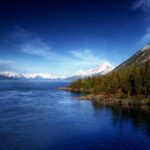
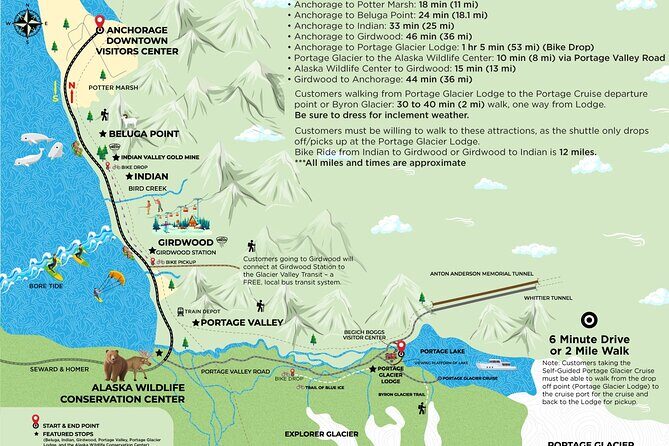
After wildlife time, the tour shifts into big-window Alaska. The stop at Beluga Point is brief (about 20 minutes), but it’s the kind of place where your brain goes quiet. You’re on the Seward Highway area looking over Turnagain Arm, a rocky outpost where the water and coastline put on a show.
Beluga Point is named for beluga whales that are often spotted there in the warmer months (commonly between July and August). In winter you’re not counting on whales on cue, but you are getting the views, the tide-driven drama, and the same general reason people keep coming back.
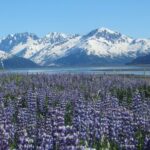
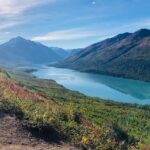
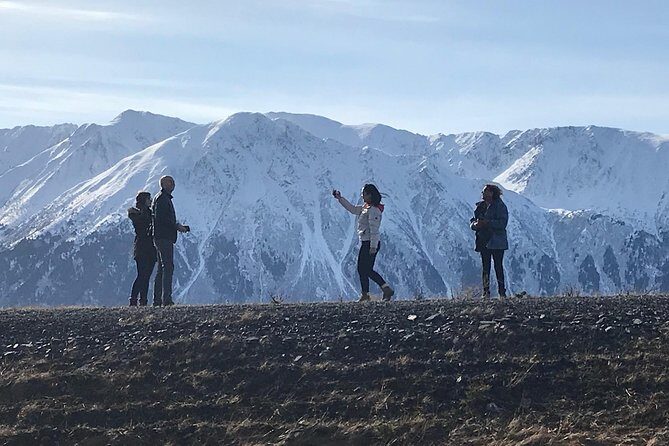
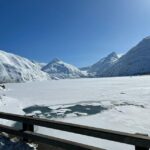
Then comes the main scenic stretch: the tour spends substantial time along Turnagain Arm on the Seward Highway. This is the area many people describe as a can’t-miss slice of Alaska. In winter, the contrast hits hard: ice, open water channels, and mountains that look close enough to touch.
A key practical point: don’t treat this as just sightseeing from the vehicle. Your guide will call out spots where it’s worth getting out for photos, and the tour is built around short photo opportunities rather than one long, exhausting hike. That’s how you stay energetic for a 4.5-hour day.
One more thing I appreciate about this stretch: it’s the kind of drive where you learn how to read the scenery. Guides often explain what you’re seeing—glacial silt, tide behavior in frozen water areas, avalanche conditions, and how mountain shapes tie into the wider Alaska story.
Possible drawback here is mostly weather-based. Fog, wind, or heavy snow can reduce visibility. But the tour is flexible in the sense that it’s a guided route with transport and photo timing, not a self-drive “hope for the best” day.
Portage Glacier: short time, serious ice views
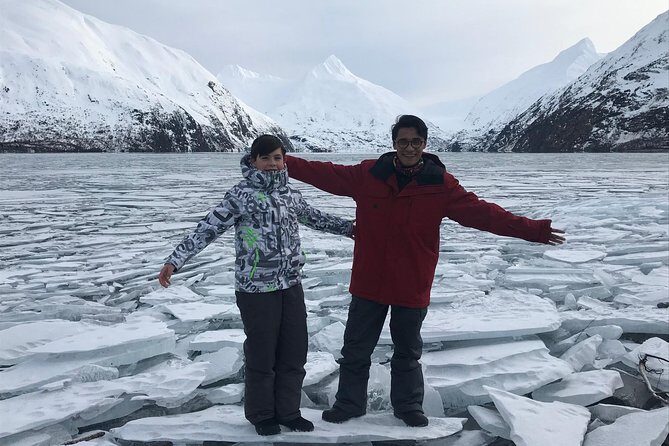
The day finishes with Portage Glacier after time spent in Portage Valley. You get about 50 minutes here, which is a solid window for winter glacier viewing without turning the outing into an all-day grind.
Portage Valley connects the Kenai Peninsula to mainland Alaska, and the glacier once extended through much of the valley. Today you’ll see remnants associated with names like Explorer, Middle, Byron, Burns, and Shakespeare glaciers. That naming matters because it gives the place context. You’re not just looking at ice. You’re seeing the after-effects of much larger ice sheets that once covered this region.
In winter, the visual style is different from summer. You tend to see more structure—edges, contrast, and frozen textures that stand out in cold light. Even if you’ve seen glaciers before, Portage Glacier has a distinct “valley cut” feeling that makes it feel like a real geographic event.
What to keep in mind:
- Stay aware on icy ground near viewpoints.
- If it’s windy or actively snowing, protect your camera gear and keep your time efficient.
- You’ll likely be bundled up, so plan for short bursts out of the van rather than extended standing.
If you’re traveling with kids or anyone who can’t do long hikes, this is a good fit. It’s scenic and educational without requiring an all-day trek.
Guides on this tour: why the day feels fun, not just informative
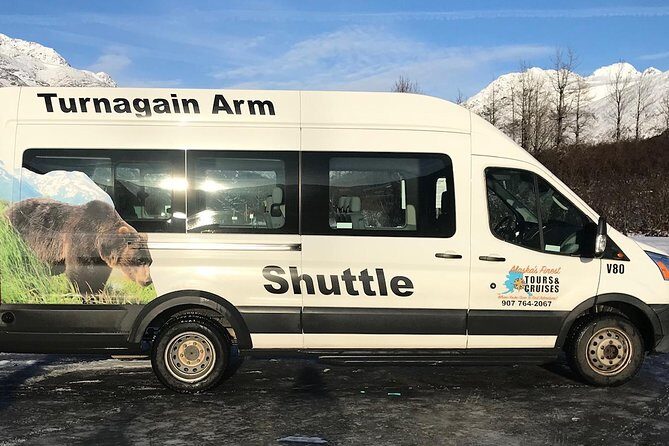
This is one of those tours where the guide makes a visible difference in how smooth the day feels. Many guides described for this experience—people like Matthew, Melissa, Carl, and Chris—share the same strengths: friendly energy, strong local knowledge, and good instincts for timing photo stops and animal sightings.
A few details from guest feedback that matter for you:
- Guides help with group photos instead of making you wrestle with your phone in snow.
- Guides explain what you’re seeing in plain language, with humor that keeps the drive lively.
- Safety is taken seriously, especially on snow and ice roads.
- The best guides read the group. If someone wants extra time for photos, they often adjust without turning the schedule into chaos.
Also, communication shows up in the “small stuff.” One guest described getting helpful pre-tour details by text, including logistics cues that reduce confusion at pickup. That’s the kind of practical support that makes a winter tour feel less stressful.
The small group size (max 14) pairs well with this guide style. You get attention without feeling like you’re in a giant bus crowd.
Other wildlife viewing tours weve reviewed in Anchorage
Winter logistics: what you should pack and how to make it easy
This is a winter day trip. That means comfort and readiness matter more than perfect gear knowledge.
I’d plan around three realities:
- You’ll be in the cold even with short outdoor stops.
- You’ll spend time getting in and out of the vehicle.
- The best photo moments come quickly, so your hands need to work fast.
Here’s what I recommend based on the nature of the stops:
- Layering setup: base layer + warm mid layer + outer shell
- Gloves that let you operate a phone or camera
- Hat and neck protection (wind off the water can feel sharp)
- Warm footwear with traction for winter ground
- Sunglasses (snow glare is real)
- A small snack or drink, since this is a short window and food isn’t mentioned as included
One nice bonus: the guide-led structure often includes bathroom break timing, and some trips may include a lunch pause in places like Girdwood. That’s not guaranteed in the basic tour description, but it shows up in real-world experiences—so having money for lunch is smart.
Also, make peace with the idea that winter wildlife is unpredictable. This tour improves your odds by focusing on a conservation center and by having guides who know how to time stops, but Alaska doesn’t do checklists.
Price and value: what $149 buys you in the real world
At $149 per person, this tour sits in the “worth it if you want zero-planning” category. You’re not paying just for scenery. You’re buying:
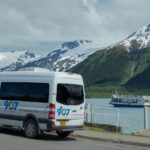
- Round-trip transportation from Anchorage
- Included admission to the Alaska Wildlife Conservation Center
- A guided route with multiple photo stops and viewpoints along the Seward Highway / Turnagain Arm
- A defined schedule that fits a 4 hours 30 minutes day
Because admission is included for the first major stop, the price is easier to justify than a tour that only hands you a parking spot. And because the group is small, you tend to get better photo support and more guide attention than you would on larger buses.
What you should expect to pay extra:
- Tips and gratuities are not included.
- Food isn’t clearly included, and there may be optional pauses like a lunch stop.
If you’re deciding between doing everything yourself versus hiring a guide, this is the kind of day where guided timing pays off. In winter, “just drive there” can become tiring fast. Here, the route is handled, and you can focus on seeing and photographing.
Should you book this Winter – Wildlife & Turnagain Arm Tour?
Book it if you want an efficient Anchorage day that mixes wildlife viewing with the Turnagain Arm scenery people talk about for a reason. It’s especially a good fit if:
- You have limited time and want a route that doesn’t require planning
- You care about seeing animals in a setting designed for wildlife encounters
- You appreciate guides who handle timing, photo support, and safety in winter conditions
- You’re traveling with family, friends, or solo and you’d rather ride with a small group than deal with winter logistics alone
Consider passing or choosing a different option if:
- You dislike outdoor walking in cold or slippery conditions
- You’re expecting a guaranteed whale-watching moment in winter (Beluga Point is named for belugas, but winter viewing isn’t promised)
- You’re very sensitive to changes if weather affects visibility
For most visitors, though, this tour is a strong “Alaska starter pack” day. You’ll spend the time you have seeing real wildlife, driving through iconic winter scenery, and ending with glacier views that feel like a strong finish to a cold-weather adventure.
FAQ
How long is the Winter – Wildlife & Turnagain Arm Tour?
It runs about 4 hours 30 minutes, starting at 11:00 am and ending back at the meeting point.
Where does the tour start in Anchorage?
The meeting point is 509 W 3rd Ave, Anchorage, AK 99501.
What does the tour cost?
The price is $149.00 per person.
Is transportation included?
Yes, round-trip transportation from Anchorage is included.
What language is the tour offered in?
The tour is offered in English.
How big is the group?
The maximum group size is 14 travelers.
Which stop includes admission?
Admission is included for the Alaska Wildlife Conservation Center. Beluga Point and other stops are listed as free admission.
How much time is spent at each major stop?
You get about 1 hour at the Alaska Wildlife Conservation Center, about 20 minutes at Beluga Point, and about 50 minutes at Portage Glacier.
Is the tour suitable for people with limited mobility?
The tour notes that travelers should have a moderate physical fitness level.
What happens if weather is bad?
This experience requires good weather. If it’s canceled due to poor weather, you’ll be offered a different date or a full refund.
Can I cancel for a refund?
You can cancel up to 24 hours in advance for a full refund. If you cancel less than 24 hours before the start time, the amount paid is not refunded.