REVIEW · ANCHORAGE
From Anchorage: Valley and Forest Hike with Naturalist Guide
Book on GetYourGuide →Operated by Go Hike Alaska · Bookable on GetYourGuide
Shoes on, Alaska shows up. This guided hike through Chugach State Park pairs Eagle River Nature Center trails with the payoff of Barbara Falls, so you get both forest immersion and a real waterfall finish in just five hours. I love the way the hike is built around wildlife country—salmon spawning streams, dense spruce and birch, and the kind of quiet where animals feel close. I also love the naturalist-led details, from what grows along the trail to why certain spots are prime for sightings. The main drawback is that it’s not a casual stroll: you should be ready for about 5–6 miles over uneven, sometimes steep terrain, and you may need to walk in slippery conditions with microspikes assistance.
This is the kind of half-day that feels efficient in the best way. You start in town with transportation included, then head into a glaciated valley system with a guide who keeps safety and the group’s pace in mind—especially around wildlife. If you’re hoping for an easy outing for limited mobility, heart or respiratory issues, or back problems, you’ll want to look elsewhere.
In This Review
- Key highlights worth aiming for
- Why Eagle River and Barbara Falls feel like a classic Alaska day
- Getting there from Anchorage is part of the value
- Eagle River Nature Center trails: the forest-and-water section
- Wildlife odds are real here, and the guide helps you judge distance
- The Iditarod trail segment: old travel routes, modern footpaths
- Barbara Falls: the short walk that turns into a photo workout
- What’s included (and what you should plan to bring)
- Price and value: why $179 for 5 hours can make sense
- Fitness reality check: what you must be able to handle
- Who should book this hike (and who should skip)
- Should you book the Valley and Forest Hike with a Naturalist Guide?
- FAQ
- How long is the hike?
- What’s the price per person?
- What’s included in the tour?
- Where do I meet the guide?
- What group size is it?
- Do I need prior hiking experience?
- What should I bring?
- Can I cancel for a refund?
Key highlights worth aiming for
- Eagle River Nature Center: forested trails with salmon spawning streams along the north fork of Chugach State Park
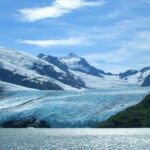
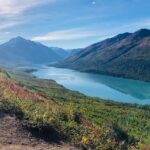
- Glaciated valley terrain: steady hiking that gives wide views and photo-friendly vantage points
- Naturalist insights: plant talk, wildlife habits, and why geothermal warmth can matter to birds like the American dipper
- Iditarod trail connection: part of the historic dog-sled route system you’ll hike without any dogs joining you
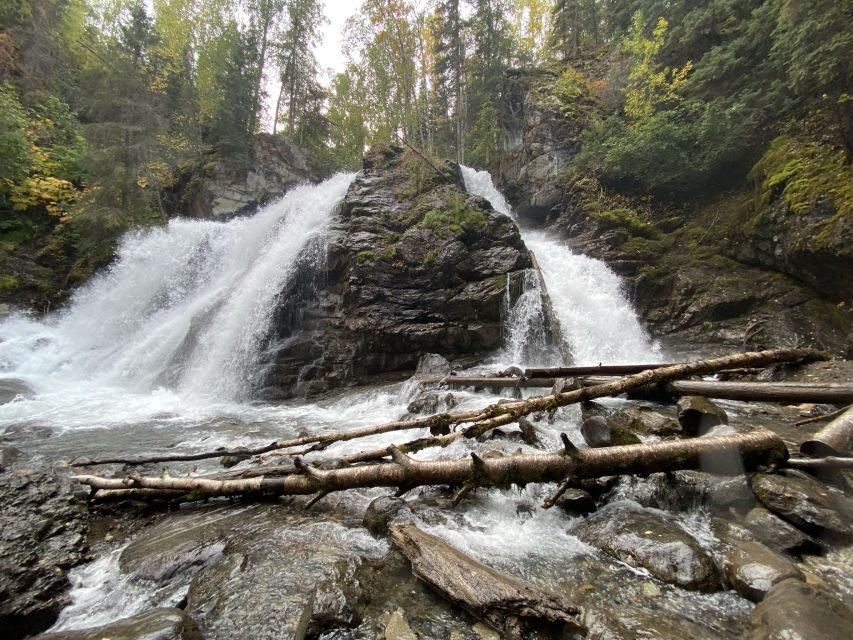
- Barbara Falls finale: a short half-mile walk with frequent stopping points for fungus, plants, and photos
- Small group (up to 12): easier to hear the guide and keep distance for animal safety
Why Eagle River and Barbara Falls feel like a classic Alaska day
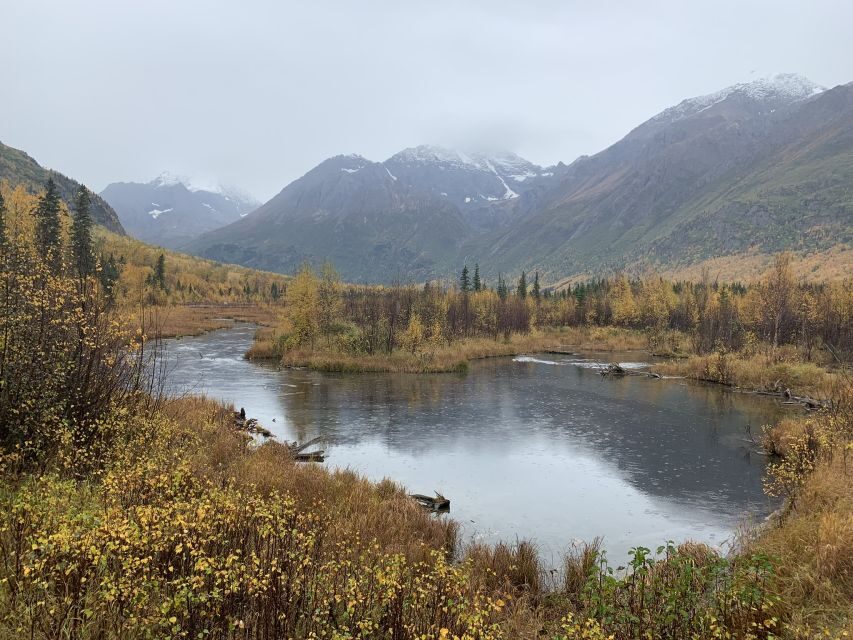
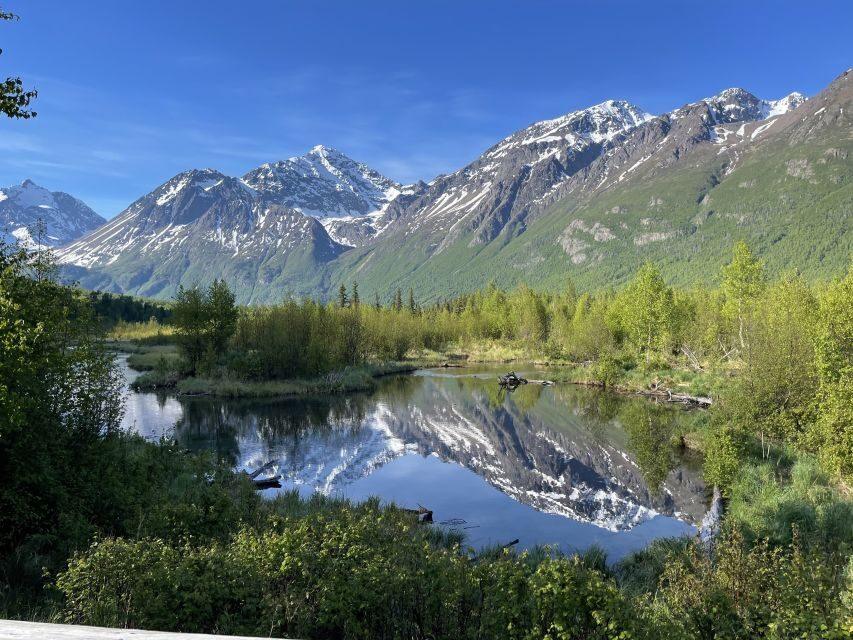
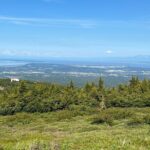
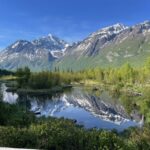
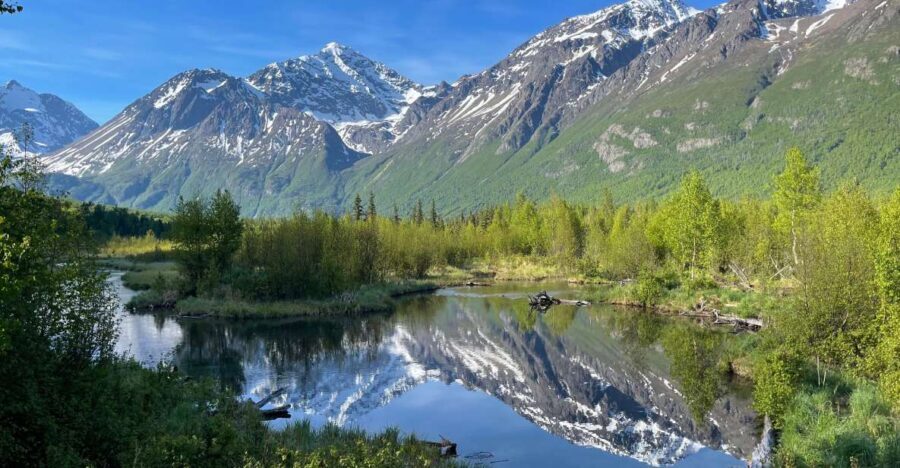
Chugach State Park is big, and most people only skim it from the road. This hike gets you moving through the kind of terrain that makes Alaska feel hands-on: forest floor, stream edges, and that mix of open views and thick trees where you can actually spot movement.
I like the way the day has two satisfying “modes.” First you’re in the valley and forest world—spruce and birch, salmon streams, and the constant possibility of wildlife. Then you transition to a clear destination: Barbara Falls, where the short walk turns into a nonstop photo session. In other words, you don’t have to choose between “long hike in nature” and “waterfall reward.” You get both.
There’s also a comfort factor. Snacks and bottled water are included, and the guide’s role is practical: keep you oriented, explain what you’re looking at, and manage safety when animals are around. One recent review summed it up as a well-managed outing where the guide’s top priority was safety while still keeping it fun.
Other walking tours we've reviewed in Anchorage

Getting there from Anchorage is part of the value
You don’t need to rent a car and you don’t need to fight parking. Transportation from downtown Anchorage is included, and the meeting point is in front of the Egan Center, where parking garages nearby can help if you’re driving in.
A five-hour adventure can feel short, and that’s exactly why this format works. You spend your energy on the hike instead of logistics. With a small group limited to 12, you also avoid the “everybody hustle” feeling that comes with bigger tours.
One more thing I appreciate: you should plan to meet at the Egan Center area. Hotel pickup and drop-off aren’t included, so make sure you know where you’re starting before you commit. For many visitors, that single decision—meeting point versus hotel pickup—is what makes the difference between a smooth day and a stressful one.
Eagle River Nature Center trails: the forest-and-water section
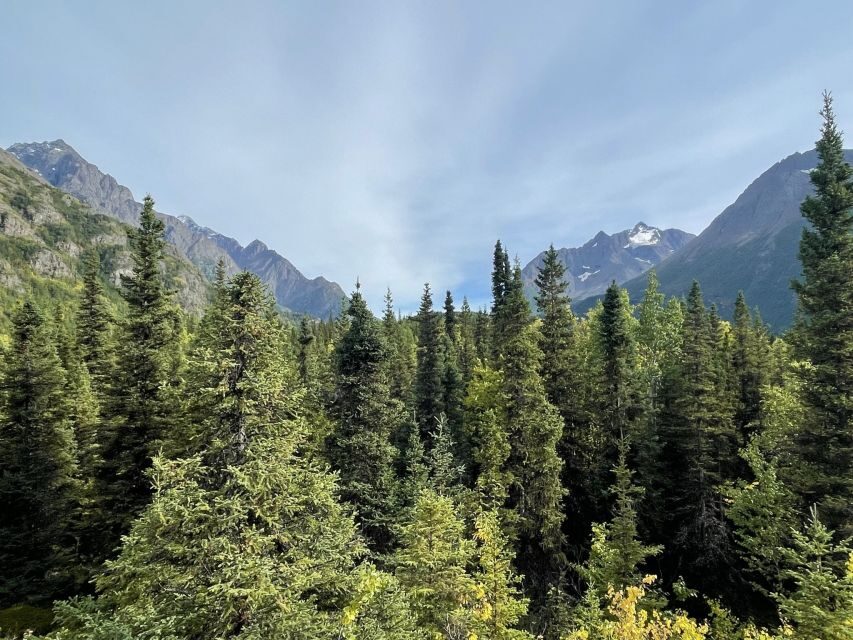
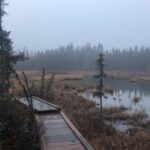
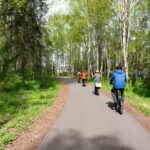
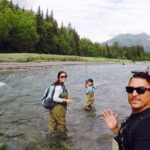
The heart of the hike follows the Eagle River trail system, with a first portion tied to the forested trail network around the Eagle River Nature Center. This is the part that rewards patience. You’re walking through boreal forest where you may also find salmon spawning streams.
What makes this section interesting isn’t just the scenery. It’s the idea that the valley is alive year-round, even when you don’t see something big every minute. Streams create microhabitats. Forest cover changes sound and light. That’s why a naturalist guide matters here: they help you notice patterns instead of only chasing rare sightings.
There’s also a historical thread. You’ll hike a segment connected to the historic Iditarod dog sledding trail system—just without the dogs giving you a ride. That detail helps you feel less like you’re “just hiking” and more like you’re following lines that Alaskans used for travel long before most people arrived for tourism.
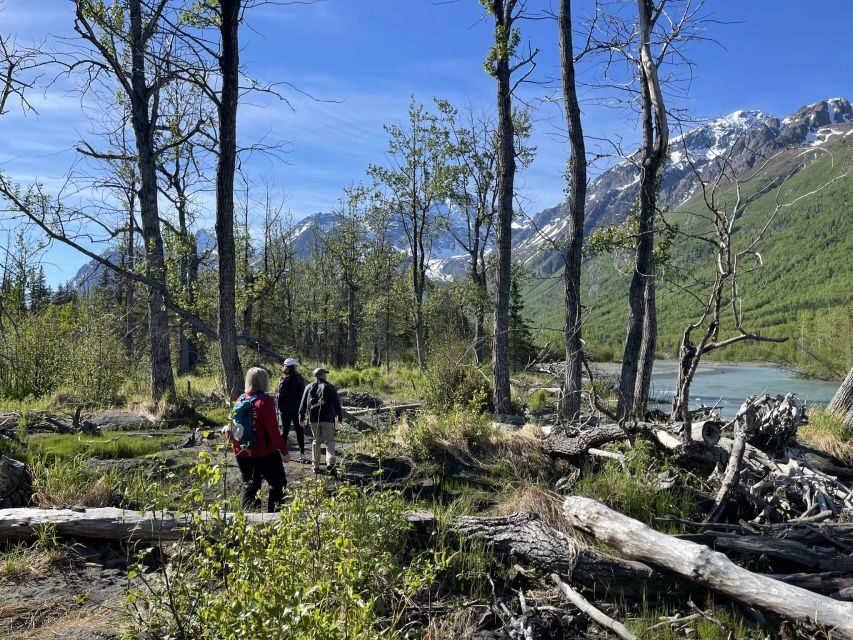
Expect steep or hilly moments on this first stretch. You don’t have to be an athlete, but you do need a steady, comfortable walking rhythm. The guide can manage the pace, but the terrain is real.
Wildlife odds are real here, and the guide helps you judge distance
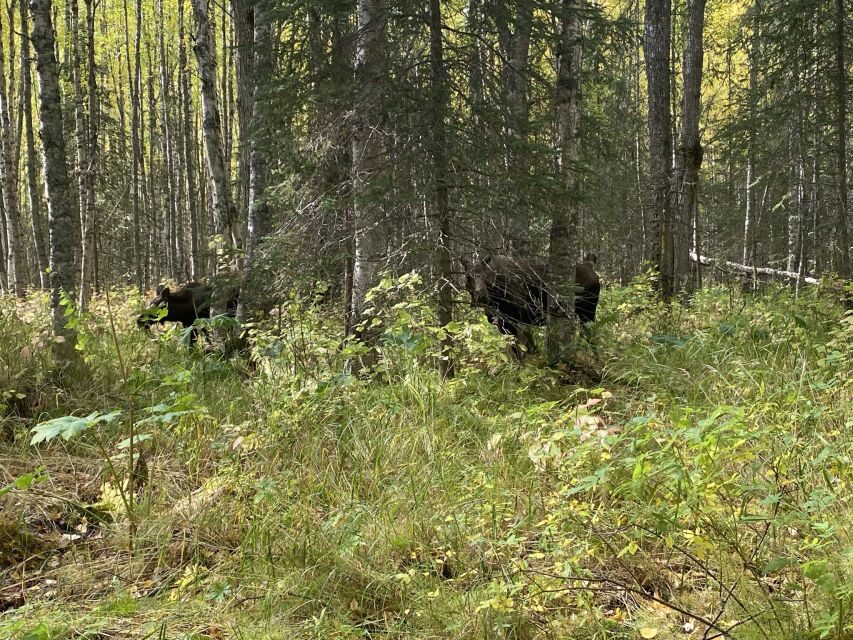
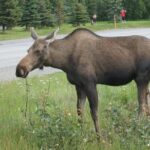
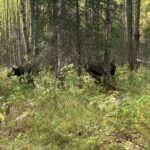
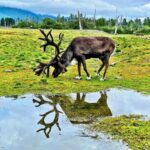
Wildlife is part of the pitch, and it’s not just marketing fluff. You might spot bears, moose, birds, and smaller mammals like snowshoe hare or red fox. One review specifically mentioned a bull moose on the trail, and the guide spotted it in time to keep people safe while they took photos.
Even when wildlife doesn’t show up, the hike can still work because you’re not only scanning for animals—you’re learning how to look. For example, the American dipper is tied to waterways that stay favorable, including tributaries warmed by geothermal heat. That’s a detail you wouldn’t guess on your own, and it changes how you read what you’re seeing along the stream.
Safety is the quiet star of this experience. If something unusual is happening in the area, the guide can adjust. One review included an alert about bear activity near Barbara Falls on the day of their hike. The key takeaway for you: your guide is watching more than your camera frame. That matters, especially when wildlife is close enough that people can get too excited too fast.
Practical advice: keep your head up, but also keep your distance. If the guide slows or calls out a change, it’s usually for a good reason.
The Iditarod trail segment: old travel routes, modern footpaths
You’re not riding a sled. You’re hiking. But there’s something satisfying about stepping onto a historic route, even if only part of it is in use.
This segment does two useful things for your hike. First, it breaks up the walking with a sense of place. Second, it often leads you through the kind of trail alignment that makes sense in winter travel—more reason to expect uneven, natural footing rather than a manicured park walkway.
If you’re the type who enjoys context as you walk—why trails follow certain contours, how valleys shape routes—this part adds value beyond a photo stop. You’ll likely appreciate the guide’s explanations more here, because they connect the trail to what wildlife and people needed from it.
Other walking tours we've reviewed in Anchorage


Barbara Falls: the short walk that turns into a photo workout
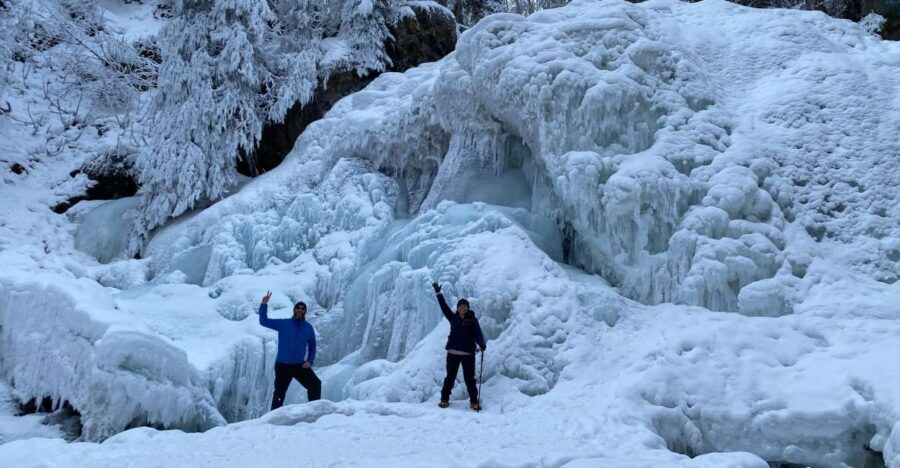
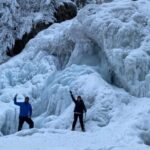
The second portion is a short ride to Barbara Falls, followed by about a half-mile walk. It sounds tiny on paper, but the setup is why it works. The trail is packed with stop-and-look moments: local plants, fungus, and point-and-shoot photo opportunities around what feels like every corner.
This is where your earlier hiking efforts pay off. After forest and valley walking, a waterfall is a clear, bright focal point. It’s also an easy way to end the day because you can adjust your pace. You don’t have to “power through” another long section to feel like you completed the experience.
One caution: wildlife can be active near water. That’s not something you can control. But your guide can help you handle it calmly. The reviews include examples of guides reacting to bear activity with safety awareness, so I’d treat their instructions as part of the experience, not just rules.
If you’re traveling with a camera, wear shoes you trust. Wet ground happens, and you’ll want stable footing more than you’ll want perfect photos.
What’s included (and what you should plan to bring)
In a nutshell, the tour includes transportation from downtown Anchorage, a guided hike, snacks, and water. Day packs and trekking poles are available upon request, which is handy if you’re arriving light or didn’t pack hiking gear.
You’ll also want to bring the basics that keep a hike comfortable in Alaska: sunglasses and sunscreen are not optional. A sun hat helps more than you might expect. Add insect repellent because forest edges bring bugs. Most importantly, wear hiking shoes you’ve already tested. This day involves uneven terrain, and your feet will notice the difference.
Your clothing should handle changing weather. Even in warmer months, Chugach can surprise you with wind and damp trail conditions. Layering is the simplest way to keep your comfort high so you can enjoy the walking and the stops.
Finally, don’t forget your camera. You’ll be in a wildlife-and-water environment where the best shots often come when you least want to stop. Barbara Falls makes stopping worth it.
Price and value: why $179 for 5 hours can make sense
At $179 per person for a five-hour guided hike, you’re paying for more than a path. You’re paying for (1) transportation, (2) a naturalist guide, (3) snacks and water, and (4) a small-group experience capped at 12 people.
If you’re comparing it to “free hiking,” the advantage isn’t that the trails are unavailable on your own. It’s that you’re buying time and interpretation. A guide helps you notice salmon streams, understand what to look for in forest habitat, and spot wildlife behavior before it becomes a random walk through trees.
The value also comes from the way the hike is paced. Reviews emphasize the guide’s knowledge and safety focus, including how they handle sightings. When you’re in animal country, that safety element has real weight.
Is $179 a deal in every situation? Not automatically. If you’re already a confident hiker who loves walking with minimal guidance, you might feel the price. But if you want your Alaska hike to feel informed and safe, and you don’t want to manage logistics in the moment, this is a fair spend.
Fitness reality check: what you must be able to handle
This is where you should be honest with yourself. No experience is required, but you do need walking ability. You should be able to walk at least 6 miles on flat pavement or 5 miles of uneven rolling terrain over the course of about 4 hours.
You’ll also need balance and comfort in slippery conditions, with assistance of microspikes. Some parts are steep and hilly. That doesn’t mean you must be a trail athlete. It does mean you shouldn’t book this hoping for a mostly level, easy stroll.
It’s also not suitable for people with back problems, mobility impairments, wheelchair users, heart problems, or respiratory issues. If any of those apply, you’ll likely be better served by a different outing with gentler terrain.
Who should book this hike (and who should skip)
This tour is a strong match for you if you want:
- a guided hike in Chugach State Park without building your own route plan
- a blend of wildlife possibility and waterfall payoff
- a small-group day with an expert who points out plants and trail details
It’s less ideal if you want:
- a very short, flat walk
- minimal physical effort
- a trip that works for mobility, back, heart, or respiratory limitations
It’s also a good fit for first-time Alaska hikers who can handle the distance. One review noted that even when wildlife sightings didn’t happen, the hike still felt worth it. That’s a sign the guide isn’t only “selling” animals—they’re making the forest hike interesting on its own.
Should you book the Valley and Forest Hike with a Naturalist Guide?
If you’re in Anchorage and you want a half-day that actually feels like Alaska, I’d book it—especially if you like nature details and you want to hike with an active safety-minded guide.
Book it if:
- you can handle uneven, sometimes steep terrain for about 4 hours of hiking
- you want a structured nature experience with snacks, water, and transportation handled
- you care about learning what you’re walking past, not just taking pictures
Skip or reconsider if:
- you have mobility limits, heart or respiratory concerns, or back problems
- you’d struggle with slippery ground or microspikes-assisted walking
- you’re looking for a gentle, mostly flat walk
In short: this is a practical, scenic, wildlife-capable hike with a waterfall finish. When conditions align, the valley and forest can feel wild in the best way.
FAQ
How long is the hike?
The tour lasts about 5 hours.
What’s the price per person?
The price is $179 per person.
What’s included in the tour?
It includes transportation from downtown Anchorage, a guided hike, snacks, water, and day packs and trekking poles if you request them.
Where do I meet the guide?
The meeting point is in front of the Egan Center.
What group size is it?
It’s a small group limited to 12 participants.
Do I need prior hiking experience?
No experience is required, but you should be able to walk at least 6 miles on flat pavement or 5 miles on uneven rolling terrain over the course of 4 hours.
What should I bring?
Bring sunglasses, a sun hat, a camera, hiking shoes, sunscreen, insect repellent, and weather-appropriate clothing.
Can I cancel for a refund?
Yes. Free cancellation is available up to 4 days in advance for a full refund.