REVIEW · ANCHORAGE
Alaska Wildlife Tour
Book on Viator →Operated by Planet Earth Adventures, LLC · Bookable on Viator
Turnagain Arm does not do subtle. This half-day Anchorage wildlife tour pairs big scenic stops with close-up learning at the Alaska Wildlife Conservation Center, plus chances to spot wildlife from shore. You also get hassle-free pickup and drop-off, so you spend your energy looking out the window instead of planning parking lots.
I really like how the day stays focused: the Alaska Wildlife Conservation Center gives you time to walk, read, and understand what injured and orphaned animals need after they’re found. I also like the pacing on Turnagain Arm and at Beluga Point, where your guide times viewpoints for tides and wildlife spotting rather than rushing from place to place.
One possible drawback: this is a short tour, so you’re not guaranteed wildlife in the wild. Weather matters here too, and the day can be adjusted or rescheduled if conditions are poor.
In This Review
- Key highlights you should care about
- A half-day wildlife plan that works with real Alaska weather
- Getting from Anchorage to Turnagain Arm and Portage Valley
- Alaska Wildlife Conservation Center: 2 hours of up-close respect
- Beluga Point: shoreline whale viewing and the tide-bore moment
- Turnagain Arm: dramatic tides, eagle spotting, and quick pullouts
- Price and value: what $119 buys you (and what it doesn’t)
- Group size and guides: the difference between seeing and understanding
- What to pack for AWCC, Beluga Point, and the Turnagain Arm pullouts
- Who this Anchorage wildlife tour fits best
- Should you book the Alaska Wildlife Tour?
- FAQ
- How long is the Alaska Wildlife Tour?
- How much does the tour cost?
- What’s included in the tour price?
- Is lunch included?
- Where does the tour start and end?
- How big is the group?
- What animals might I see during the tour?
- Is admission to the Alaska Wildlife Conservation Center included?
- Is the walking easy?
- What is the cancellation policy if weather changes?
Key highlights you should care about

- Small group size (up to 11) keeps the stops calmer and the spotting more productive
- AWCC admission included means you’re paying for the real experience, not just the ride
- Beluga Point timing is best in summer (July to August) when shoreline viewing is most likely
- Turnagain Arm viewpoints focus on dramatic tides, photo stops, and wildlife search along the Seward Highway
- Snacks and water help you stay comfortable between stops on a half day
- Professional guide narration (and a photographer guide when available) helps you notice what you’d otherwise miss
A half-day wildlife plan that works with real Alaska weather
If you only have a morning or one limited afternoon in Anchorage, this is the kind of tour that fits. You’re out for about 4 hours, starting at 9:00 am, and the route is designed around two targets: the Turnagain Arm shoreline and the Alaska Wildlife Conservation Center (AWCC).
The value is in the mix. A lot of Anchorage tours either focus on scenery with minimal wildlife education, or they focus on one facility with less time on the water and mountains. This one gives you both, without dragging the day into something exhausting.
Other wildlife viewing tours weve reviewed in Anchorage
Getting from Anchorage to Turnagain Arm and Portage Valley
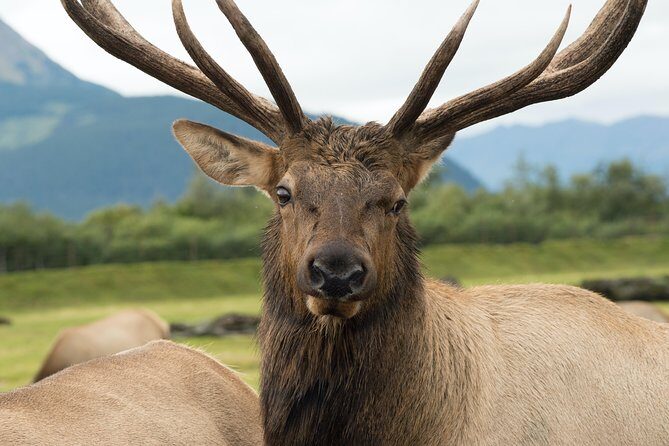
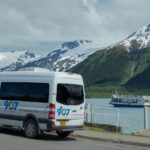
You start with pickup in the Anchorage area, then head out along the Seward Parkway toward Portage Valley. The ride matters because this isn’t just transportation. The guide provides commentary about the Chugach National Forest area and the wildlife patterns you might see from pullouts.
On this route, you’re in the right geographic zone for shoreline wildlife viewing. Turnagain Arm is a narrow branch of Cook Inlet, and that matters because the water movement drives the show. When tides shift, you often get better opportunities to spot birds and marine life near the shoreline.
It also helps that the tour stays small. With a max group of 11, you’re more likely to get quick help positioning for photos and less waiting at stops.
Practical tip: wear layers. In Alaska, your weather can change faster than a car changing lanes, and you’ll be stepping out for short photo moments.
Alaska Wildlife Conservation Center: 2 hours of up-close respect
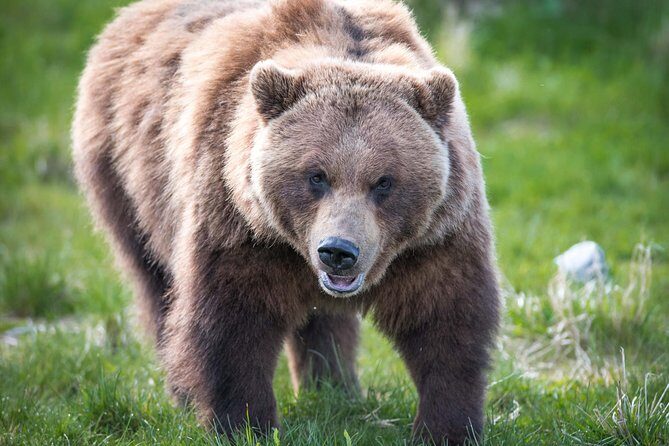
This is the heart of the day. You’ll spend about 2 hours at the Alaska Wildlife Conservation Center, and the admission fee is included. The center opened to the public in 1993 and sits on 140 acres at the edge of Portage Valley, near Turnagain Arm.
What makes AWCC worth your time is the mission. The center rehabilitates injured and orphaned wildlife with the goal of caring for animals until they can either be released or, if they can’t survive in the wild, live in spacious refuge habitats. That means your visit isn’t just about seeing animals. It’s about understanding what’s behind each case and why the center treats wildlife the way it does.
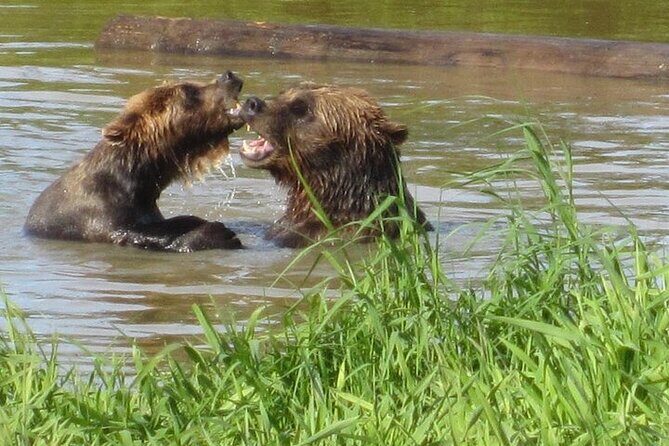
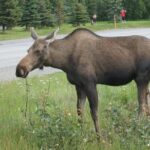
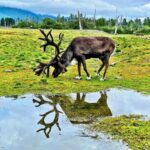
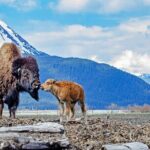
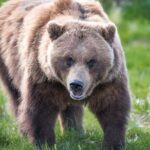
You can often view large land animals up close in a way that’s safe for you and the animals: the center highlights species like moose, wood bison, caribou, musk ox, deer, and even grizzly bears (when present in their areas). There are also smaller mammals and birds of prey depending on the season and the animals’ current rehabilitation schedules.
From a practical standpoint, plan to walk. The visit includes walking around the grounds, and surfaces vary from paved to uneven terrain. If you need assistance getting in and out of the vehicle or moving on uneven areas, the tour notes you’ll want a companion who can help, because physical lifting isn’t part of the service.
Small comfort: the tour includes light snacks and water, which helps if you arrive hungry and don’t have a long break later.
Beluga Point: shoreline whale viewing and the tide-bore moment
Next you’ll head to Beluga Point, named for the beluga whales that can be seen from the shoreline, especially in July to August. Even when you don’t see whales, the place earns its stop time. You get mountain-and-water views over Turnagain Arm, which makes it a great photo moment and a good breather in the middle of the day.
There’s also a natural phenomenon tied to the tides: a tidal bore, described as a wall of water rushing in and reversing the flow. Your guide will explain what you’re looking for, and depending on timing and conditions, you may be able to watch that effect from the viewpoint.
This stop is brief, about 15 minutes, so think of it as a targeted window. You’ll want your camera ready, and if the day is bright, the water reflections can be intense, so consider sunglasses too.
Wildlife angle: even if belugas aren’t in the frame, your guide’s spotting scan often extends beyond whales. You may still catch birds and other wildlife along the shoreline, especially when they’re active.
Turnagain Arm: dramatic tides, eagle spotting, and quick pullouts
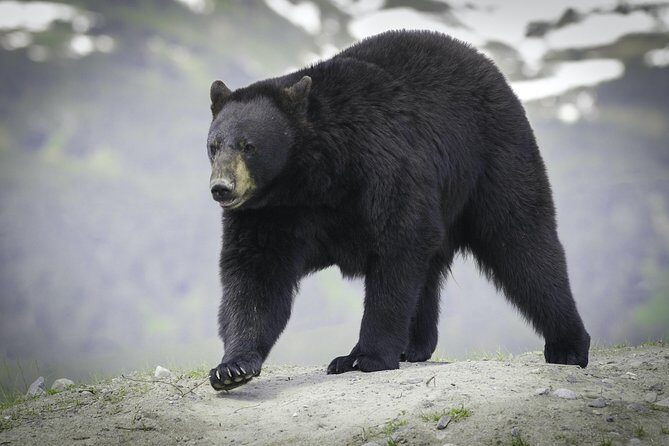
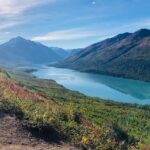
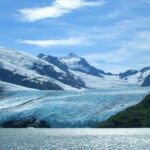
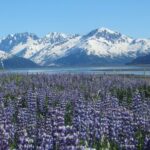
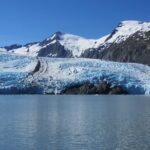
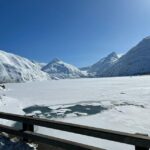
Your final scenic component focuses on Turnagain Arm, the fjord-like waterway known for dramatic tides and wildlife viewing. This is part of Cook Inlet, connecting to the Gulf of Alaska, which is why the tidal range is so big and why the area can feel like it’s constantly changing.
You’ll spend about 50 minutes here, with your guide making several stops along the way for photos and interpretation. The idea is simple: pullouts at the right spots give you better views than one single scenic overlook.
Wildlife opportunities you might be watching for include:
- moose and caribou (more likely when the day and conditions line up)
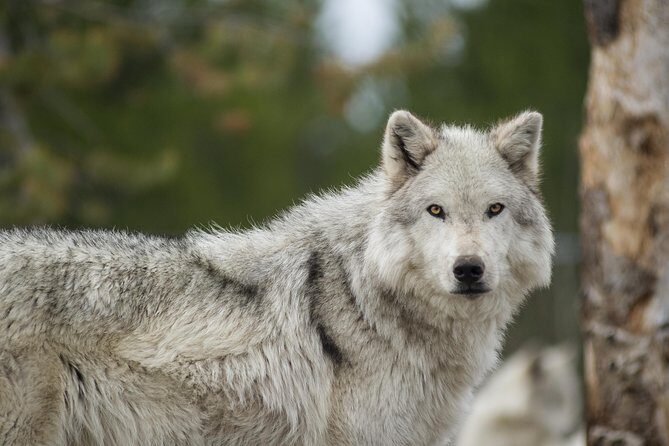
- eagles (frequently spotted along shorelines and near perches)
- Dall sheep (often visible from higher vantage points when conditions allow)
One of the best things about Turnagain Arm is how it teaches you to look. Your guide doesn’t just point at the view. They give you context for why the coastline looks the way it does, how the tides affect what you see, and where to focus your attention.
Photo tip: don’t treat this like a single spot. Short stops mean you should be ready to shoot quickly, then adjust fast as the light and water move.
A few more Anchorage tours and experiences worth a look
Price and value: what $119 buys you (and what it doesn’t)
At $119 per person for about 4 hours, the price feels more reasonable when you look at what’s included. You get:
- hotel pickup and drop-off in the Anchorage area
- a professional local guide
- admission to AWCC
- light snacks and water
- mobile ticket delivery
- a photographer guide when available
That last point is quietly important. If a photographer guide is on the tour, you’ll get extra help with framing, timing, and spotting angles—especially at Beluga Point and along the shoreline pullouts.
What’s not included is also part of the value equation. There’s no lunch stop, and food and drinks are not included beyond light snacks and water. So if you’re the kind of person who gets hungry fast, either eat before pickup or plan to snack during the ride.
So who is this for? If you want a short day that combines scenic Anchorage region driving with a meaningful wildlife facility, this is priced like a practical half-day. If you only want one type of experience—pure scenery or pure facility time—then another tour might line up better. But for a balanced wildlife morning, this works.
Group size and guides: the difference between seeing and understanding
This tour caps at 11 travelers, which changes the feel. In a small group, your guide can manage the timing of viewpoints and keep the conversation going instead of shouting facts over background noise.
The guide experience is a major reason this tour lands with such high satisfaction. The names that show up often include Eli, Christine, Christina, and Kristine. They’re known for strong wildlife spotting effort and for sharing lots of facts in a way that feels like you’re riding with someone who actually cares about what you’re seeing.
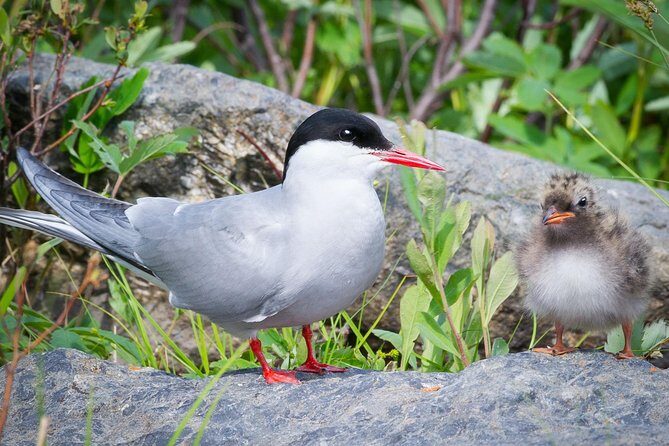
You’ll also hear practical guidance tied to the land and water: when to scan, what birds to watch for, and how to interpret the tides and shoreline behavior. In some cases, guides use tools like binoculars to help pick out wildlife from vantage points you’d miss otherwise.
One thing I’d keep realistic: wildlife sighting is never guaranteed. If the day ends up quieter, you’ll still get AWCC’s structured, educational component, which is the most reliable portion of the tour.
What to pack for AWCC, Beluga Point, and the Turnagain Arm pullouts
Because this is easy activity level but not a sit-everywhere day, pack for short walks and quick viewpoint stops. The terrain can be a mix of paved and uneven natural surfaces.
Bring:
- Warm layers (even in nicer months, shoreline wind can cut)
- Comfortable walking shoes with decent traction
- A rain layer if the forecast looks uncertain
- Bug spray if you’re visiting in warmer seasons; the AWCC grounds can have mosquitoes
- Sunglasses for glare on the water (useful near Beluga Point)
- A camera setup that’s ready fast, since stop time is brief
Also, plan to hydrate. Light snacks and water are included, but you may want to top up if you’re out early and the day is sunny.
Who this Anchorage wildlife tour fits best
This tour is a good match if you:
- want a half-day wildlife plan without committing to a full day drive
- care about Alaska’s native animals and how they’re cared for after injury
- enjoy short photo stops and guided interpretation
- like the idea of combining AWCC with shoreline wildlife time
It may be less ideal if you need long uninterrupted walking time or you’re looking for an all-day experience that includes lunch and many miles of hiking. This tour stays light on hiking and heavy on viewpoints.
Accessibility note in plain terms: the tour is labeled easy, but it still involves walking short distances on uneven ground and getting in and out of the vehicle. If you require physical assistance, you’ll want someone with you who can provide it, since lifting isn’t part of the staff support.
And if you’re the type who needs one specific animal every time, adjust your expectations. You’ll have solid opportunities, but Turnagain Arm and Beluga Point are still nature first.
Should you book the Alaska Wildlife Tour?
If you’re deciding between a generic Anchorage sightseeing loop and a more focused wildlife morning, I’d book this one. The AWCC time is the anchor, and the Turnagain Arm and Beluga Point stops are the scenic bonus that turn into real wildlife moments when conditions cooperate.
I’d especially recommend it if:
- you value education and context, not just photos
- you want a small-group experience with a guide who actively spots and explains
- you’re short on time and need a plan that fits a morning or early afternoon
Book something else if you’re looking for a long wildlife hike day or you want lunch included and more hours on the road. This tour is built as a tight, efficient wildlife overview, and it delivers best when you treat it like that: a smart half-day in Alaska’s backyard.
FAQ
How long is the Alaska Wildlife Tour?
The tour runs for about 4 hours (approx.), starting at 9:00 am.
How much does the tour cost?
The price is $119.00 per person.
What’s included in the tour price?
You get hotel pickup and drop-off from the Anchorage area, a professional local guide, entrance to the Alaska Wildlife Conservation Center, light snacks and water, and a mobile ticket. A professional photographer guide is included when available.
Is lunch included?
No. The tour does not stop for lunch, and food and drinks are not included beyond light snacks and water.
Where does the tour start and end?
The tour starts at the William A. Egan Civic & Convention Center, 555 W 5th Ave, Anchorage, AK 99501. It ends back at the meeting point.
How big is the group?
The maximum group size is 11 travelers.
What animals might I see during the tour?
Your guide will look for wildlife such as moose, caribou, and eagles along the route. Turnagain Arm is also known for opportunities to see beluga whales, Dall sheep, and other birds depending on conditions. At the conservation center, you can see a range of large land animals and other species in their habitats.
Is admission to the Alaska Wildlife Conservation Center included?
Yes. Admission to the Alaska Wildlife Conservation Center is included, and the stop lasts about 2 hours.
Is the walking easy?
The tour is described as easy, but you should expect short walks on uneven ground. Trail surfaces vary from paved to uneven natural terrain, and you must be able to get in and out of the vehicle with minimal assistance.
What is the cancellation policy if weather changes?
You can cancel for a full refund up to 24 hours before the experience starts. The tour requires good weather, and if it’s canceled due to poor weather, you’ll be offered a different date or a full refund. There’s also a minimum traveler requirement; if that isn’t met, you’ll be offered a different date or a full refund.