REVIEW · ANCHORAGE
Anchorage: Aurora Borealis Northern Lights Photography Tour
Book on GetYourGuide →Operated by Alaska Photo Treks · Bookable on GetYourGuide
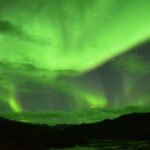
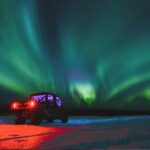
Night skies can steal your breath. On this Anchorage Northern Lights photography tour, you head out after dark with a pro photographer guide who looks at the forecast, picks a promising spot, and walks you through how to capture the aurora on camera.
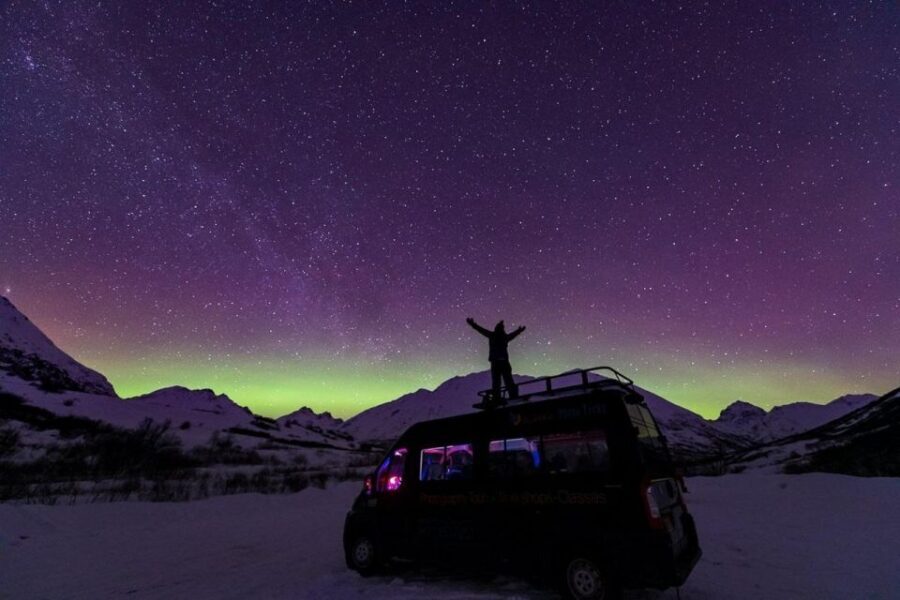
I like that the tour is built for learning while you’re doing. You get photography coaching (including aurora portrait help if you want it) plus a practical explanation of the science behind what you’re seeing. I also like the small-group feel—limited to 10 participants—so it’s easier to ask questions and adjust your settings.
One real consideration: the timing shifts depending on conditions, with pick-up windows that can range from 8:00 p.m. to midnight, and you’ll be away from the vehicle for up to an hour. Go prepared with serious cold-weather gear, because a great aurora night doesn’t care if your fingers are numb.
In This Review
- Key Things You’ll Notice on This Aurora Photo Tour
- How the 6-Hour Aurora Hunt Runs from Anchorage
- Pickup Windows, Small Groups, and the “Be Ready” Factor
- Photography Coaching That Actually Helps in the Dark
- The Science Lesson: Why the Aurora Looks the Way It Does
- The Viewing Time: Where You’ll Stand and How Long
- Value and Price: What $312 Buys You in Real Terms
- The Guide Factor: Chad and Erica as Examples of What to Expect
- Weather Reality: When the Night Gets Cloudy
- Who This Tour Fits Best (And Who Might Want a Different Plan)
- Should You Book This Anchorage Aurora Photography Tour?
- FAQ
- What is the duration of the Anchorage Aurora Borealis photography tour?
- How much does the tour cost?
- What’s included for warmth and refreshments?
- Are tripods included for taking photos?
- Do I need to bring a camera?
- How big is the group?
- What areas in Anchorage are pickup locations?
- Can I get picked up from Girdwood?
- What happens if the weather is cloudy, rainy, or snowy?
Key Things You’ll Notice on This Aurora Photo Tour
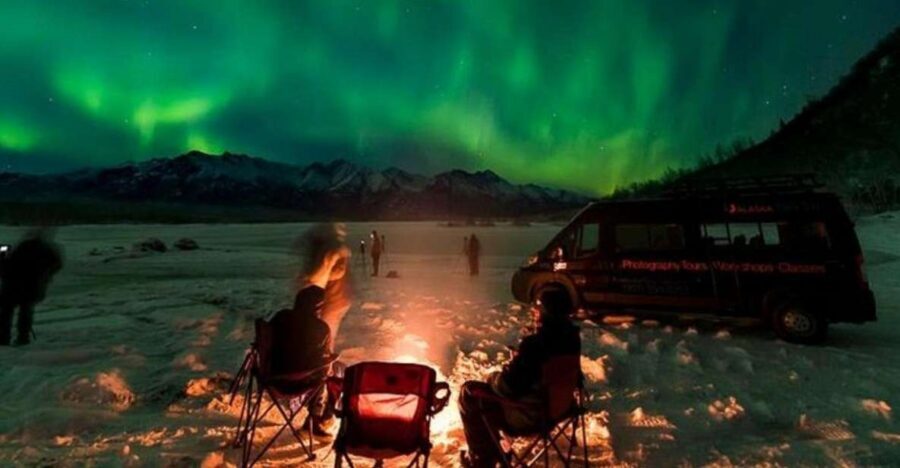
- Pro photographer guidance as you learn what actually works for aurora images
- Tripods included, so you’re not stuck trying to hold steady in the dark
- Warm drinks and snacks plus hand and toe warmers for longer time outside
- Small group (10 people max) that keeps the experience personal and manageable
- Aurora science + photo skills together, so the night makes sense while you shoot
How the 6-Hour Aurora Hunt Runs from Anchorage
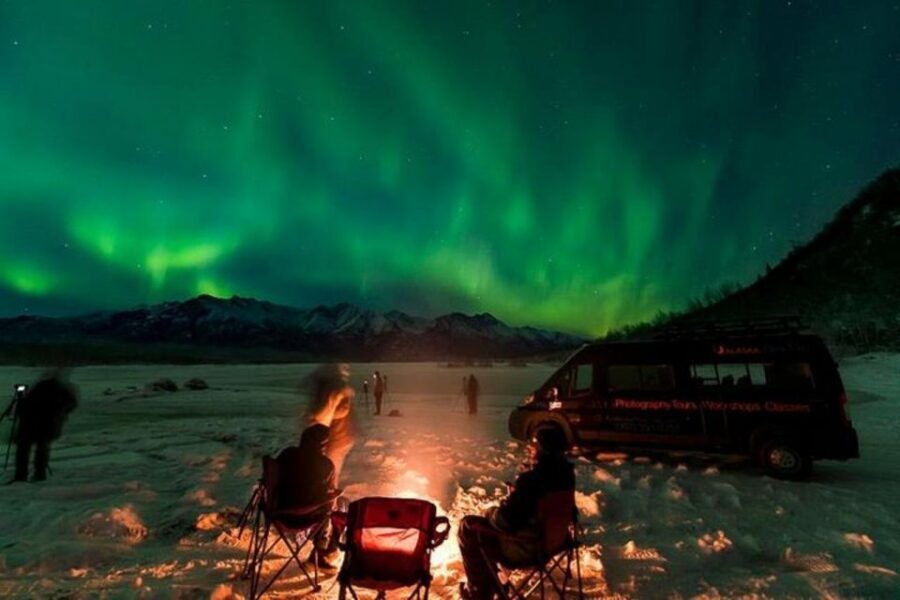
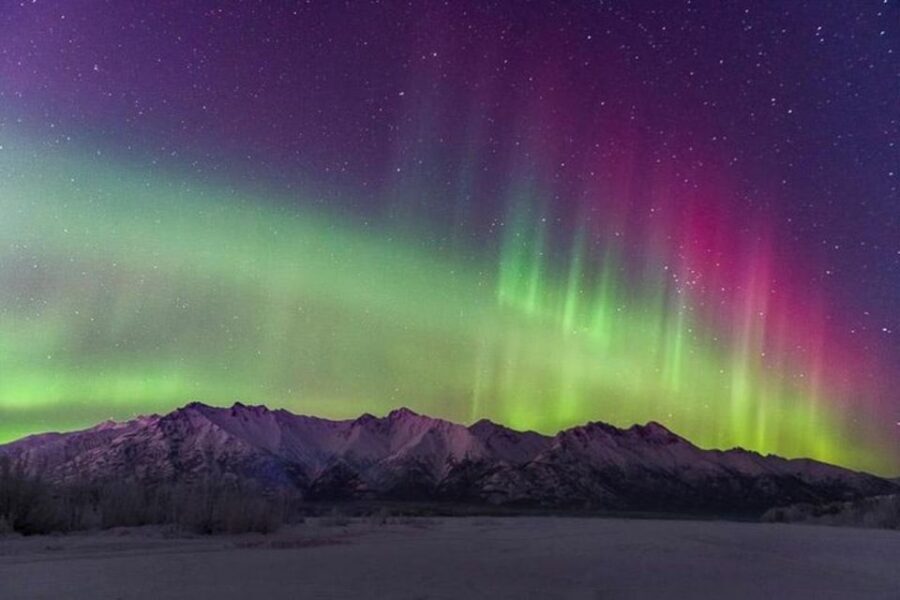
This tour is only six hours, but it’s packed in the way that matters: you spend your time where the aurora is most likely, and you’re not just standing around with no plan. The basic flow is pick-up in Anchorage, a drive in search of clearer skies, then time outside to photograph and watch the lights ripple over snow-covered scenery.
Because the aurora is weather-dependent, the guide’s job is part scientist, part tracker. You’ll learn why the lights appear and what conditions help them show up, then you’ll put that into action with camera practice while you’re out there.
You’ll also appreciate the practical touches. Light snacks, water, and a hot drink keep you comfortable while you wait for the sky to deliver. The hand warmers and toe warmers are especially useful when you’re trying to adjust a camera or tripod without frostbiting your motivation.
Other northern lights and aurora tours in Anchorage
Pickup Windows, Small Groups, and the “Be Ready” Factor
Pickup happens from Anchorage hotels within the city. If you’re staying somewhere like an Airbnb, pickup may still be possible, but you need to confirm with the provider. If you’re in Girdwood, you can’t count on hotel pickup there—you’ll be directed to meet in Anchorage, so plan for that before you arrive.
The schedule is sent on the day of the tour, and the start can fall anywhere between 8:00 p.m. and midnight. That flexibility is normal for aurora tours, but it does mean your evening should be loose. I’d treat the first part of your night like a waiting period: eat early, keep warm layers accessible, and don’t schedule anything tight afterward.
The small group (up to 10) is a quiet advantage. In a bigger crowd, it’s harder to get help with your settings or reposition for better angles. Here, you can ask questions and get specific coaching instead of generic advice.
Photography Coaching That Actually Helps in the Dark

If you’ve never shot the Northern Lights, this tour makes a difference because it doesn’t assume you’re already set up for night photography. A professional photographer guide will coach you on capturing the lights, and the tour includes support like tripods for all guests.
Tripods being included sounds simple, but it’s a big deal. In low light, your camera needs stability, and holding a camera steady while standing in winter gear is harder than it sounds—even for people who think they’re “good with cameras.” With a tripod, you can focus on composition and exposure rather than arm fatigue.
If you don’t have a camera or want to upgrade for better results, camera rental is available (you need to arrange it in advance). You’ll also have the option of aurora portraits if you want help posing and framing while the lights are out. That’s a good choice if you’d rather spend part of the time as the subject instead of only photographing from a distance.
Practical tip: bring the camera you’re comfortable using. If you’re borrowing gear, plan to spend a few minutes getting familiar before the brightest moment hits, because the sky doesn’t hold still.
The Science Lesson: Why the Aurora Looks the Way It Does
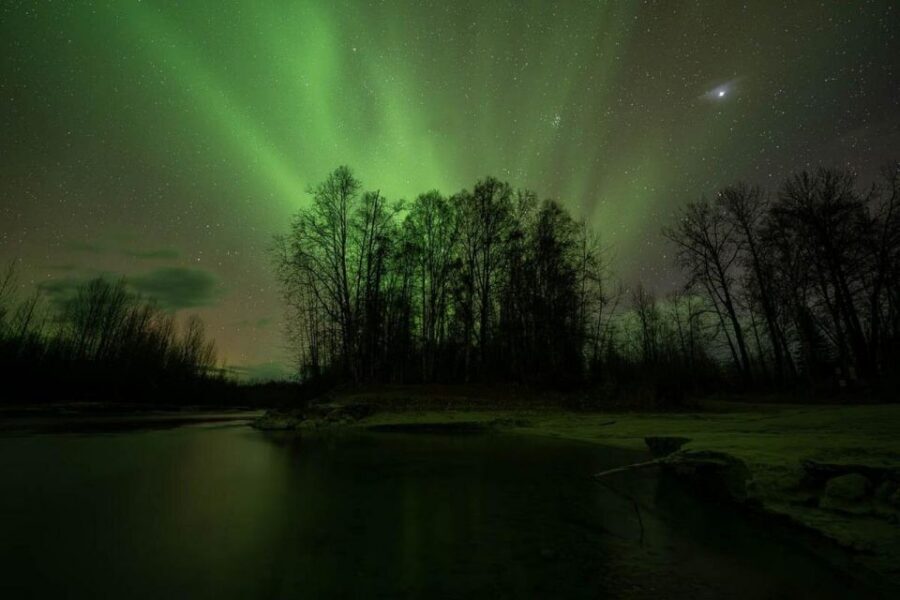
One of the most helpful parts is that the guide ties the experience together with the science behind the Northern Lights. You’ll get an explanation of what’s happening in the sky and how that translates to what you see through your lens.
This matters because aurora photography isn’t just point-and-shoot. When you understand what the lights are doing—how they move and why they flare—you can anticipate what to try next: longer exposures, different settings, or repositioning for the best color and motion.
The guide uses that knowledge while searching, which is why the tour feels like real decision-making instead of “hope for the best.” In at least a couple of recent nights, the guide’s forecasting approach helped set up the group for a strong sighting, which is exactly what you want on a short six-hour tour.
The Viewing Time: Where You’ll Stand and How Long
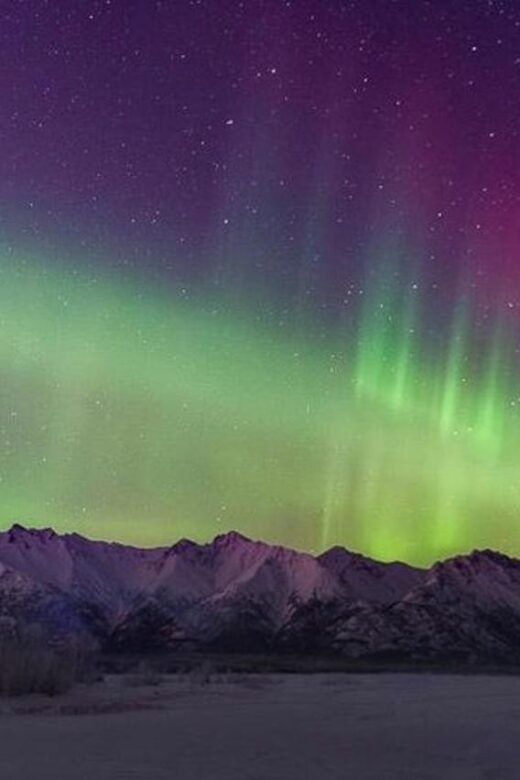
The heart of the experience is being outside when the sky cooperates. You may be away from the vehicle for up to one hour, so dress for real cold, not “Alaska cold in theory.”
This is where those warmers earn their keep. Hand warmers help with camera handling and focus adjustments. Toe warmers are crucial if you plan to sit or stand for long minutes while you wait for the aurora to brighten or shift.
Your guide will lead you to the best spot available based on conditions, and you’ll have chances to photograph both the lights and the snowy scenery around you. If the aurora intensifies, you’ll likely want to react quickly—switch between wide shots and tighter frames, or adjust for motion as the sky changes.
A small note for comfort: plan for cold-weather breathing. Keep a hat on, use gloves you can work in, and consider a face covering so you’re not constantly pulling everything down and up. The aurora can be bright, but your warmth should be steady.
Other photo tours and photography safaris in Anchorage
Value and Price: What $312 Buys You in Real Terms
At $312 per person, this tour isn’t a budget impulse buy—but it also isn’t just a ride to nowhere. The price includes hotel pickup and drop-off in Anchorage, light snacks, water, a hot drink, hand and toe warmers, admission to any state parks entered, and tripods for everyone.
That combination makes the cost easier to justify if you care about getting results instead of gambling on your own. If you were trying to do this solo, you’d pay for transportation, possibly park fees, and you’d still need the right gear or help figuring out settings. Here, the guide handles the decision-making and the coaching part.
The small group also supports the value. When there are fewer people, the guide can spend more time helping individuals dial in their cameras and get better compositions. For many photographers, that’s the difference between “I saw the lights” and “I got the shot.”
The Guide Factor: Chad and Erica as Examples of What to Expect
Good aurora guides don’t just know photography. They know how to read the night and keep the group positioned for changing conditions.
In recent bookings, Chad impressed people by using uncertain forecasts and still finding a strong spot for the lights. He also extended the tour a bit to make sure the group had time to see the aurora before heading back—exactly the kind of flexibility that matters when you’re paying for a timed experience.
Another guide, Erica, also led an excellent night for a group, with people feeling confident that they ended up in one of the best locations for the viewing conditions that evening.
Even if you don’t know your guide’s name ahead of time, the pattern is what you should look for: someone who watches the data, adjusts on the fly, and makes sure you get real time under the sky—not just a quick look through a windshield.
Weather Reality: When the Night Gets Cloudy
Aurora tours live and die by conditions. If the skies are cloudy, rainy, or snowy, you’ll be notified and the tour can be canceled with a full refund. That’s a key part of how to think about value: you’re not just paying for a bus ride, you’re paying for an attempt at optimal conditions with a safety net if the sky refuses.
Because the starting window can vary late in the evening, your planning should assume you might get called at different times depending on how the night develops. Keep your evening open, pack your gear, and treat it like a weather-dependent shoot day—because that’s what it is.
Who This Tour Fits Best (And Who Might Want a Different Plan)
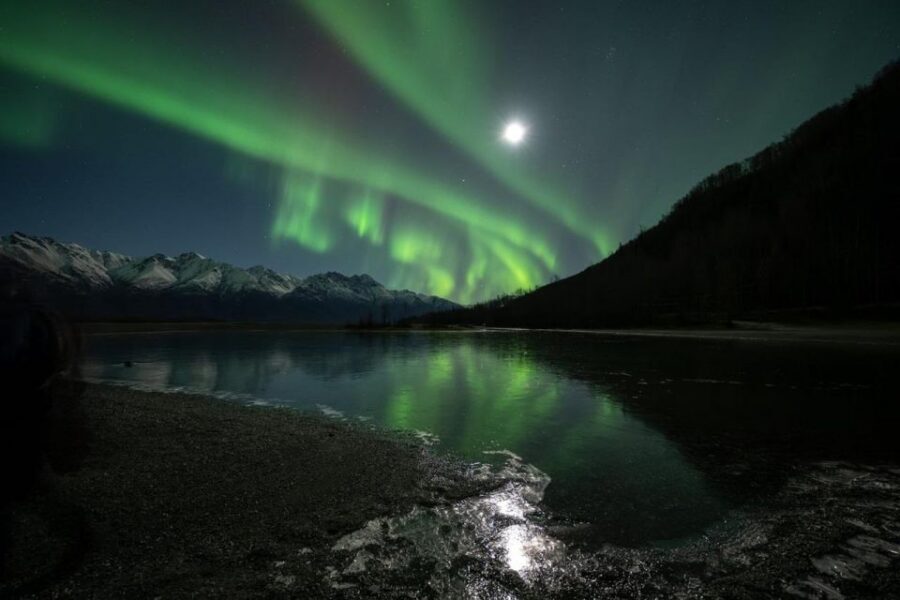
This is a strong fit if you want Northern Lights photos but don’t want to figure it out from scratch. It’s especially good for couples, first-timers, and anyone who benefits from hands-on instruction and help choosing where to stand.
It may not be the best choice if you have limitations that make cold or waiting outside difficult. The tour is not suitable for people with heart problems, and wheelchair users can’t participate.
If you’re traveling with kids or teens, the small group and guide-led experience can work well as a shared activity. The night isn’t just scenery—it’s a guided lesson with a clear goal: see the lights, then learn how to photograph them.
Should You Book This Anchorage Aurora Photography Tour?
You should seriously consider booking if you want more than a basic Northern Lights sighting. The real selling points are the pro photographer guide, the hands-on coaching, and the included gear support like tripods plus warm drinks and warmers. At $312, you’re paying for time, expertise, and winter comfort that are hard to replicate on your own—especially in a short, six-hour window.
You might pass if you’re the type who hates uncertainty and needs a rigid timetable all evening. The pick-up window shifts, and the night depends on cloud cover. But if you can handle that and you come prepared with warm layers, this tour offers a focused way to chase the aurora and leave with photos that feel like Alaska.
FAQ
What is the duration of the Anchorage Aurora Borealis photography tour?
The tour lasts 6 hours.
How much does the tour cost?
The price is $312 per person.
What’s included for warmth and refreshments?
You get light snacks, water, a hot drink, hand warmers, and toe warmers.
Are tripods included for taking photos?
Yes. Tripods are complimentary on the tour for all guests.
Do I need to bring a camera?
A camera is not included, but camera rental is available if you contact the provider in advance. You should also bring your own camera if you have one.
How big is the group?
The group is small, limited to 10 participants.
What areas in Anchorage are pickup locations?
Pickup is available from hotels within the city of Anchorage. Pickup from Airbnbs is possible, but you should confirm with the activity provider.
Can I get picked up from Girdwood?
No. Pickup at the Alyeska Resort or other lodging in Girdwood is not possible. You’ll be directed to meet at a designated location in Anchorage.
What happens if the weather is cloudy, rainy, or snowy?
You will be notified if the tour is canceled due to conditions like cloudy, rainy, or snowy weather, and you will be fully refunded.