REVIEW · ANCHORAGE
Northern Lights Adventure of a Liftetime from Anchorage
Book on Viator →Operated by SSP Studio & Gallery · Bookable on Viator
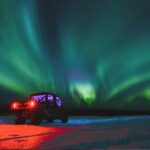
Aurora night in Alaska is part science, part art. This tour is built for both, with a pro photographer guiding you through the chase from Anchorage. You’ll leave at 8:00 pm, head away from city light, and spend the night focused on one thing: seeing and capturing the aurora borealis.
What I like most is the hands-on photography instruction. You’re not just sitting in the cold hoping for magic, you’re being taught how to set up your camera or phone for night skies. Second, you get real extras that matter: hotel pick-up and drop-off plus the guide takes photos during the night and shares high-resolution copies for free.
One thing to keep in mind: there is never a full guarantee. You’re dealing with weather and cloud cover, and the tour’s decision-making is based on aurora probability. If you hate uncertainty, plan for a night that might be more about learning than lights.
In This Review
- Key takeaways
- The 8:00 pm Anchorage Departure: Why the Timing Matters
- What this means for you
- Meet the Pro: What Scott’s Coaching Changes for Your Photos
- The small-group size helps
- Where You Go for Darker Skies (and Why It’s Not Just a Drive)
- A balanced note on locations
- The Waiting Game: Warmth, Snacks, and Staying Ready for the Show
- My practical advice: dress for waiting, not walking
- The Aurora Forecast Rules: How Decisions Protect Your Time
- What this means for your planning
- What You’ll Actually Learn About Aurora Photography
- My “bring these” list
- Transportation, Group Size, and the Real Meaning of Small-Group Value
- The trade-off
- Price and Value: Is $320 a Fair Deal?
- Who will feel the value most
- Who This Northern Lights Tour Fits Best
- Should You Book This Aurora Hunt?
- FAQ
- What time does the northern lights tour start?
- How long is the tour?
- Is hotel pick-up and drop-off included?
- How many people are in the group?
- Do you get photos from the guide?
- What happens if the aurora chance is low?
- When does the tour operate?
Key takeaways
- Small group of up to 5 means more attention while you’re trying to shoot in the dark
- Professional photographer guidance turns random clicking into actual night-sky results
- Away-from-light-pollution viewing gives your eyes and camera a better shot
- Warm waiting setup (blankets, seating, heat) keeps the long hunt tolerable
- Aurora forecast rules drive refunds and whether you keep going
- Free high-resolution photos from your guide add value even if the aurora is brief
The 8:00 pm Anchorage Departure: Why the Timing Matters
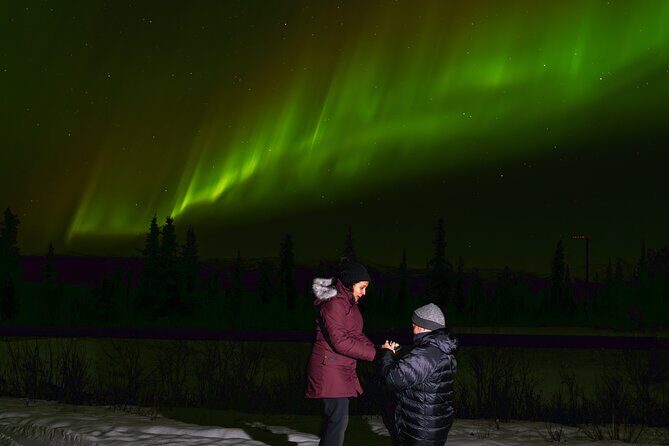
This tour runs in the prime dark-hours window, starting at 8:00 pm and lasting about 10 hours. That timing is practical in Alaska, because the aurora can show up late. It also lines up with how the sky actually behaves: you’re not rushed out after a quick hour and a half.
In the fall through winter months (it runs Sept 1 to May 1), the night doesn’t just feel “long.” It is long. That is why the tour is structured as an extended search rather than a quick stop. You get time to drive to better viewing conditions, let your eyes adjust, and give the aurora a chance to build.
Other northern lights and aurora tours in Anchorage
What this means for you
If you’re the type who wants action packed every minute, this may feel slow. But if you understand that the aurora shows in waves, you’ll appreciate the patience. This is a hunt, not a ride-by-photo-op.
Meet the Pro: What Scott’s Coaching Changes for Your Photos
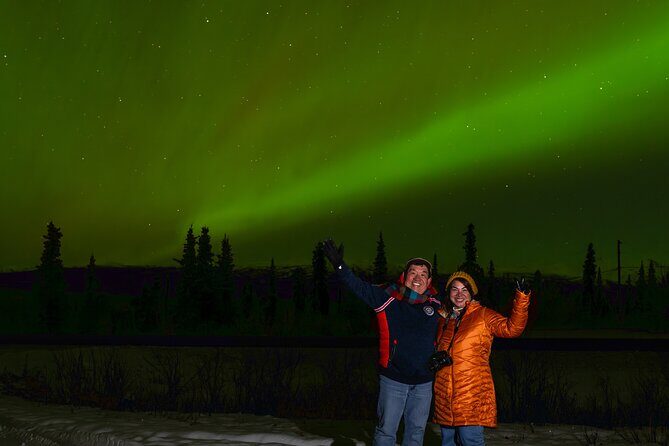
The star here is the guide: in many trips, Scott is the professional photographer running the experience. What makes this different is that photography instruction isn’t treated like a lecture. It’s more like a one-night workshop, while you’re actually under the sky.
From the experience details, you’ll get personalized photographic instructions. The goal is to help you capture the aurora using the tools you brought. People often arrive with a phone that can do more than they think, or with a camera that they haven’t set up for night conditions. Scott walks you through the choices that make a real difference: exposure settings, night-focused technique, and how to stop fighting the darkness.
One detail I really value: the guide also takes photos during the night. That means if your settings are off for the first part of the show, you still have a backup. And those photos come back to you in high resolution for free.
The small-group size helps
With a maximum of 5 travelers, the coaching can actually land. When someone is struggling to frame the sky or make their camera behave, the guide has time to work with them instead of racing the next group.
Where You Go for Darker Skies (and Why It’s Not Just a Drive)
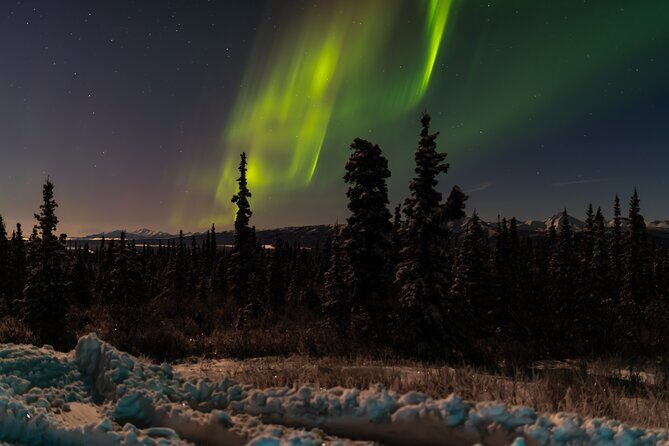
The core idea is simple: find a place with less light pollution than Anchorage. In the reviews and tour description, the pattern is consistent: you’re headed away from the city glow to improve your odds.
Some nights, the best “viewpoint” is about distance from lights, not fancy scenery. The guide’s job is to track where the aurora is likely to show, then position the group for both visibility and photography. You’ll also hear that the guide may use a personal location he found through exploration. That matters because a lot of public viewing areas get crowded fast, and the aurora doesn’t wait for the crowd.
A balanced note on locations
One low rating mentioned a roadside setting with traffic. I can’t promise every night is perfect and silent. Still, the experience is designed around the sky and the light conditions first, not the prettiest road-side backdrop. If you’re the type who needs quiet, bring noise-canceling headphones just in case and focus on the aurora anyway.
The Waiting Game: Warmth, Snacks, and Staying Ready for the Show
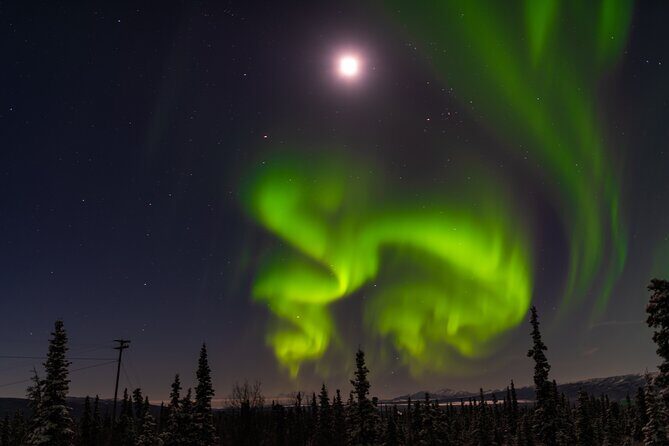
This tour is built around the reality that clouds can roll in, and aurora bursts can be brief. You might think you’ll be constantly moving, but the real skill is waiting well.
You’ll typically pause at viewing spots long enough to see what the sky is doing. You won’t be left staring at darkness without help. The experience description and reviews point to a setup that includes snacks and hot beverages, plus a warm place to sit and wait. People also mention hand warmers, blankets, chairs, and even the vehicle being left running so you can warm up.
There’s also a comfort check element. The guide monitors whether people are warm enough. That sounds basic until you realize how quickly cold can turn a “fun night out” into a battle.
My practical advice: dress for waiting, not walking
Plan for the cold to win if you dress for movement only. Even if you’re getting in and out of a vehicle, you’ll spend time standing or sitting while you watch the sky shift.
If you bring a camera, remember that gear doesn’t like sudden temperature changes. Keep it protected in a bag until you’re ready to shoot.
The Aurora Forecast Rules: How Decisions Protect Your Time
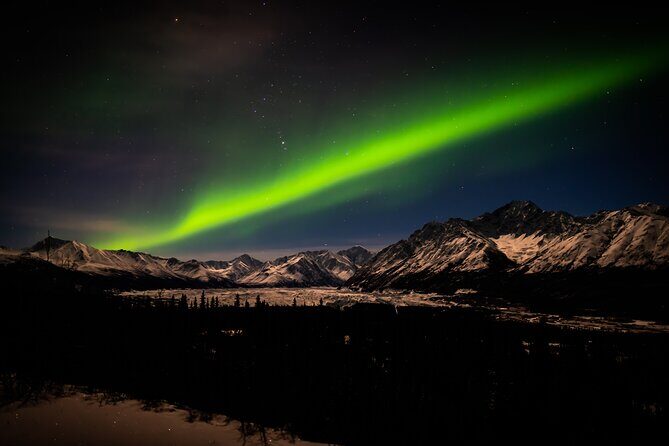
Here’s one part I really respect: the tour doesn’t treat aurora probability like a marketing line. It uses forecast tracking services to judge aurora chances and also weather/cloud conditions.
Then it applies clear rules:
- If the chance is under 30%, the trip is canceled and you get a full refund
- If it’s 30–70%, you can choose to cancel for full refund or continue
- If it’s 70% or higher, the trip continues, and there is no option for refund
The tour description also claims a 98% success rate. That doesn’t mean every night is a monster display. It does mean the operation is designed to avoid showing up when the odds are truly bleak.
What this means for your planning
I like these thresholds because they reduce the “you got unlucky” feeling. You’re not blindly paying for a lottery ticket. You’re paying for a process: tracking, decision-making, and then a long hunt when the odds justify it.
There’s still no guarantee, since Mother Nature controls the final outcome. But you’re not pretending the sky is predictable.
What You’ll Actually Learn About Aurora Photography
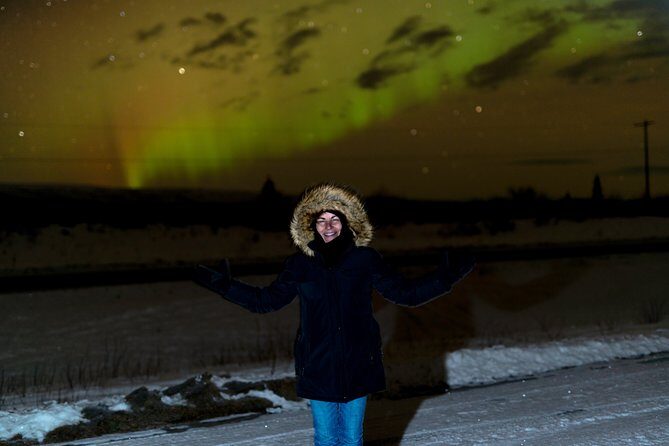
This tour is photography-focused, and the value isn’t only the photos it produces. It’s the technique you can use again on your next night out.
From the tour description: you’ll receive personalized instructions and the guide will help you capture the aurora properly. The reviews add real-world details that can help you pack smarter. For example, people recommend bringing a nice high-resolution camera if you have one. Phones can work too, but a camera can do more.
If you rely on your phone, the guide may help you find settings that support night capture. One review specifically noted help adjusting phone settings for night photography capability. That’s huge because most people don’t know what their phone can do until someone shows them.
My “bring these” list
Bring a camera if you own one, but don’t feel like you must. The better value is your willingness to follow directions in the moment. Also consider:
- extra battery (cold kills batteries)
- a plan for keeping equipment dry and protected
- warm gloves you can still use with camera controls
And yes, people mentioned avoiding liquids in the field. That sounds simple, but in cold, anything spilled becomes a problem fast.
Transportation, Group Size, and the Real Meaning of Small-Group Value
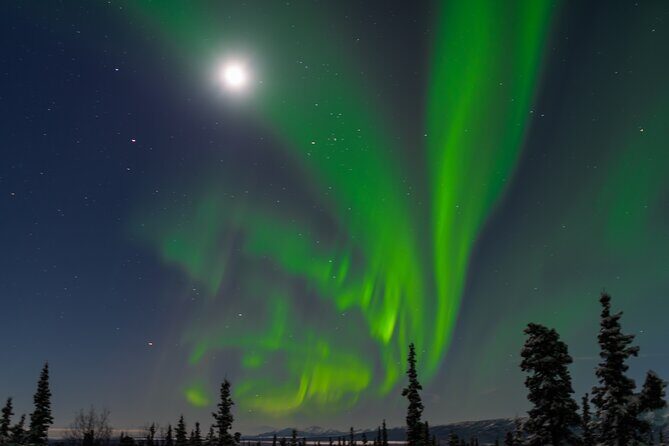
You’ll get round-trip transportation with hotel pick-up and drop-off included. Starting at 8:00 pm, this is a big deal. It’s not just convenience. It removes logistics pressure when you’re trying to focus on the night sky.
The maximum group size is 5 travelers. That changes the vibe. You’re not competing for attention. You’re not trying to set your exposure while ten people shift behind you.
Also, the tour says locations are handicap accessible so most guests can be accommodated. Service animals are allowed too, which is rare enough to mention.
The trade-off
Small groups also mean the guide has a limited headcount to manage. If you’re someone who hates any waiting at all, you might feel like you’re spending time “waiting around.” But if you want better photos and a calmer experience, the small size is part of the payoff.
Price and Value: Is $320 a Fair Deal?
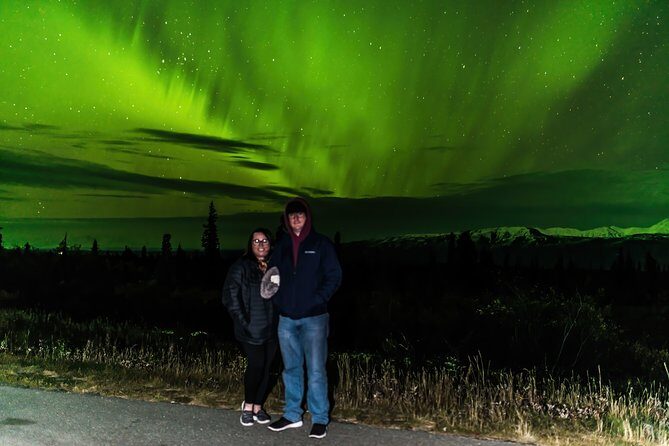
At $320 per person for about 10 hours, this tour isn’t a budget add-on. So the question is value, not cost.
Here’s where the math starts to make sense:
- Hotel pick-up and drop-off removes transportation headaches
- Professional photographer guidance is included, not a bonus add-on
- You get free high-resolution photos taken by the guide during the night
- You get the time the aurora needs. The tour isn’t built as a short drive-and-hope stop.
Then there’s the risk-control element. If the aurora odds are too low (under 30%), you don’t just “take the hit.” The trip is canceled with a full refund. And if odds land in the middle range, you choose whether to continue.
Who will feel the value most
You’ll probably love this if you care about:
- learning photography basics for night skies
- improving results with a phone or camera
- spending a long time outside with comfort support (warmth, snacks, seating)
If you’re only looking for a quick aurora glance and don’t care about photos, you might find other tours cheaper. But if photography is part of your bucket list, $320 can feel very reasonable.
Who This Northern Lights Tour Fits Best
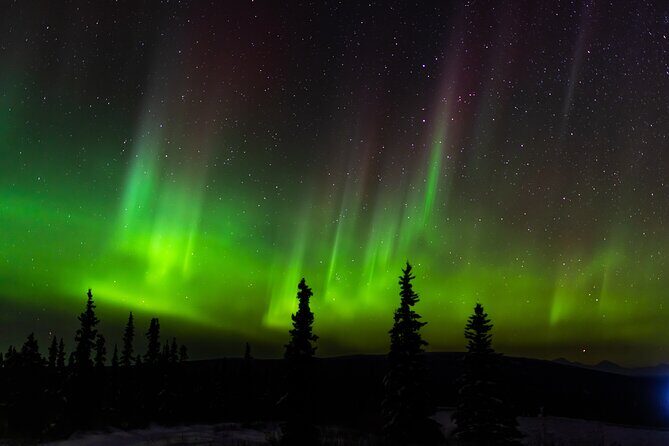
This is a good match for:
- people who want to learn, not just observe
- anyone bringing a camera and wanting help making it work in real conditions
- couples and small groups who prefer calm over chaos
- guests who want long-guided patience with warmth and comfort
One more point: it’s not just for seasoned photographers. The guide caters for everyone. That’s important because a lot of aurora tours assume you already know your gear. Here, you’re brought into the process.
If you’re traveling in the aurora season and want your night to feel productive, this tour is built for that.
Should You Book This Aurora Hunt?
I’d book if you want an aurora outing that treats photography seriously, keeps the group small, and handles the forecast honestly. The combination of pro guidance, free photo deliverables, and warm waiting support is a strong value mix, especially for people who don’t want to gamble on guessing settings themselves.
I would pause if you:
- hate cold and don’t want long waiting outside (even with warmth provided)
- need guaranteed lights on a guaranteed schedule (no tour can promise that)
- are extremely sensitive to quiet and hate the idea of roadside viewpoints in rare cases
If your goal is to come home with better pictures and a smarter approach to chasing the aurora, this is one of the more practical ways to do it from Anchorage.
FAQ
What time does the northern lights tour start?
The tour starts at 8:00 pm.
How long is the tour?
It runs for about 10 hours (approx.).
Is hotel pick-up and drop-off included?
Yes. Hotel pick-up and drop-off are included.
How many people are in the group?
The tour has a maximum of 5 travelers.
Do you get photos from the guide?
Yes. The guide takes photos during the night and you receive high-resolution copies for free.
What happens if the aurora chance is low?
If the chance is under 30%, the trip will be canceled and you get a full refund. If it’s 30–70%, you can choose to cancel for a full refund or continue. At 70% or higher, the trip continues with no chance for refund.
When does the tour operate?
The tour runs from Sept 1 to May 1.