REVIEW · ANCHORAGE
From Anchorage: Chugach State Park Guided Alpine Trek
Book on GetYourGuide →Operated by Go Hike Alaska · Bookable on GetYourGuide
Ridgelines above Anchorage feel unreal. On this guided trek in Chugach State Park, you hike up one of the park’s finest ridgelines, with sweeping views of Anchorage, Cook Inlet, and deep glaciated valleys. I love the way the Anchorage panorama comes in layers as you gain height, and I also love the tundra and alpine-forest education from the guide.
You’ll be moving with a small group (up to 12), and you get real-world answers for what wildlife might be out there. Eli has a reputation for keeping the hike calm and safe, while pointing out plants you can touch and learn about along the way. The main drawback is that the route can be steep and hilly, so you should be ready for uneven terrain and extra stress on your body if you’re not used to hikes.
In This Review
- Key highlights you’ll care about
- From the Egan Civic Center to a true alpine start in Chugach State Park
- Ridgeline views that make Cook Inlet and the mountains feel close
- Tundra and alpine forest lessons you can feel, not just read
- Wildlife spotting, with real safety instincts built in
- Guides with geology and plant skills make the hike feel personal
- What you should bring (and what your body needs for this 5-hour effort)
- Price check: Why $179 can feel fair for a guided Chugach day
- Should you book this Chugach alpine trek?
- FAQ
- How long is the Chugach State Park guided alpine trek?
- What’s included in the price?
- Where do I meet the guide?
- Do you pick up from hotels?
- What should I bring for the hike?
- Are trekking poles and a backpack provided?
- Is the hike suitable for everyone?
- Can I cancel if my plans change?
Key highlights you’ll care about
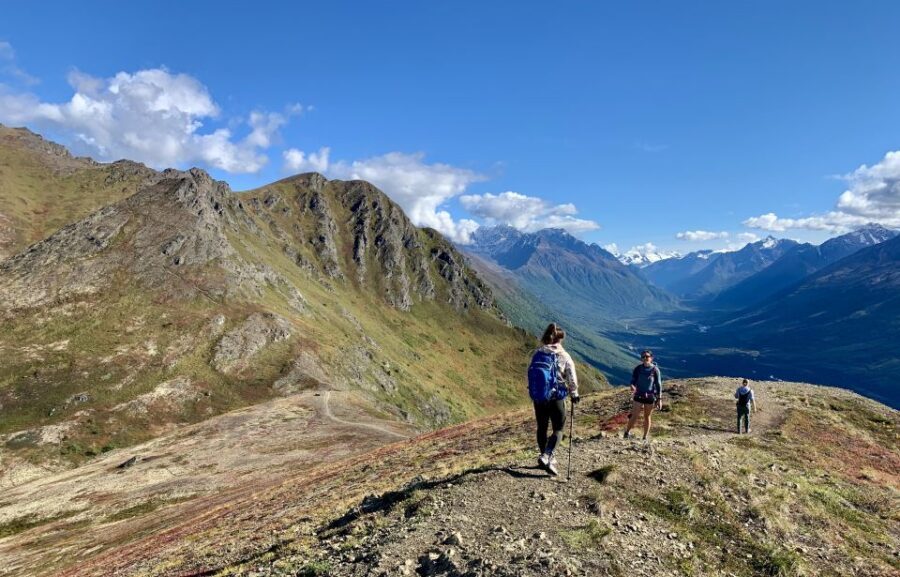
- Anchorage and Cook Inlet views from an actual high ridgeline, not just a viewpoint off the road
- Tundra you can touch and alpine-forest basics you can understand on the trail
- Wildlife scanning practice for bear, Dall sheep, marmot, and bald eagles
- Denali visibility on clear days, stretching the sense of scale way past Anchorage
- A guide who manages pace and safety, including what to do if wildlife is nearby
From the Egan Civic Center to a true alpine start in Chugach State Park
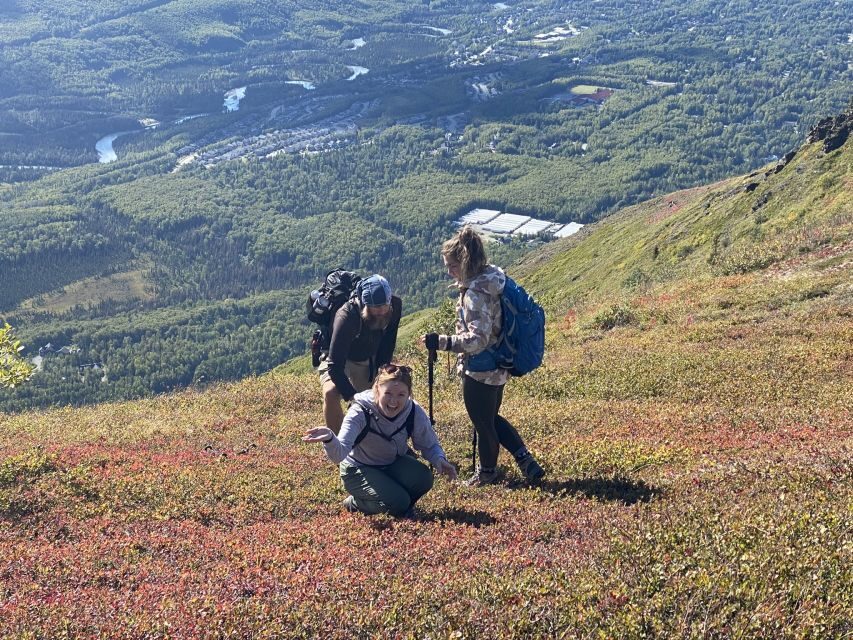
This tour is built around a simple idea: get you out of Anchorage and onto an alpine hike fast, then spend the day moving at a human pace with stops for views and learning. You meet in front of the William A. Egan Civic & Convention Center, and you’ll use a minivan to reach the trailhead. It’s convenient if you’re staying around downtown, but if you’re far out, note that pickup is not included from hotels or accommodations.
The total time on the clock is about 5 hours. That’s a sweet spot for people who want a real hike without committing to an all-day trek. You’ll return to the bus for a transfer back to central Anchorage after the hike, so the day stays tidy even if you’re juggling other Alaska plans.
Group size matters here. Limited to 12 participants, you’re less likely to get separated into a scattered line where nobody can hear the guide. It also makes it easier for the guide to slow things down when conditions or trail footing call for it—especially on steeper sections.
At check-in, think of this as a guided day in the field. Snacks and water are included, so you’re not scrambling to pull together a full pack, but you still need the right clothing and shoes for Alaskan weather and footing.
Other Chugach State Park hikes and tours near Anchorage
Ridgeline views that make Cook Inlet and the mountains feel close
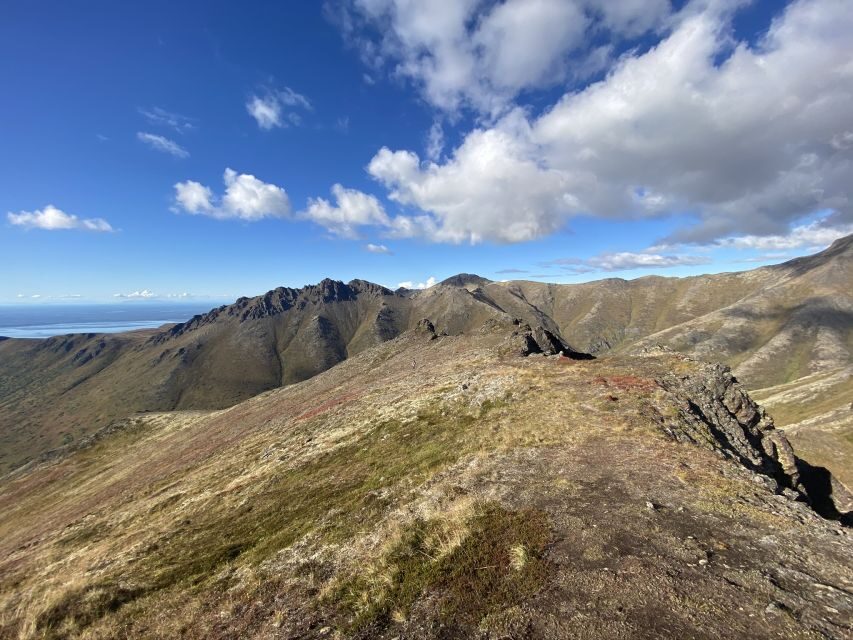
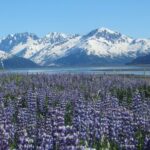
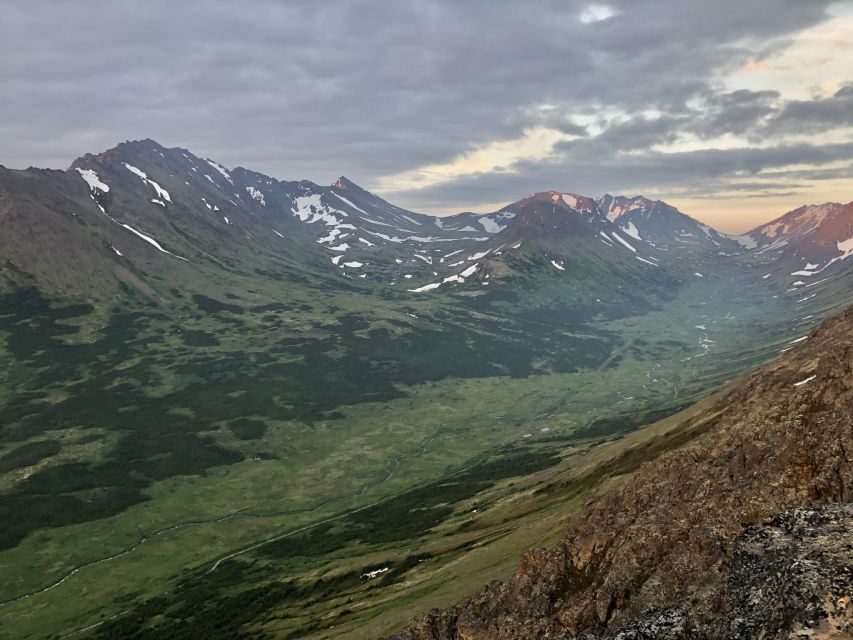
The star of this hike is the ridgeline. You’re not just walking through a pretty area—you’re working your way along (and up) a route where the geography starts to explain itself. You’ll look out over Anchorage and across Cook Inlet, then turn your head to see the Chugach Mountains’ giant, glaciated valleys—those deep, u-shaped cuts that tell a long geological story.
What I like about this kind of route is how the views don’t arrive all at once. They come in stages. Lower down, you’re orienting to where you are. Midway up, the ridges and valleys start lining up visually. Higher up, you get a big-sky perspective that makes Anchorage feel like it’s sitting in a bowl, with mountain walls all around.
There’s also the possibility of seeing Mt. Denali on a clear day—hundreds of miles away. It’s not something you should plan your day around, but when it’s visible, it adds a mind-bending sense of scale that’s hard to replicate from inside the city.
A quick reality check: parts of the trail are steep and hilly. The views are worth the work, but you should expect some uphill effort and uneven ground. If you tend to get winded or your legs tire fast, bring a slower pace mindset and let the guide set the tempo.
Tundra and alpine forest lessons you can feel, not just read
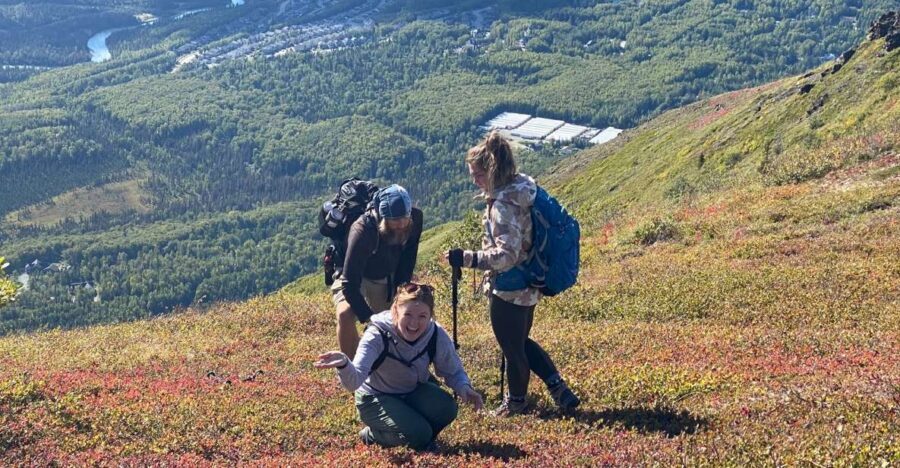
The guide doesn’t treat this like a sightseeing walk. You’ll learn about Alaska’s alpine forest and tundra environment in a way that stays grounded in what’s actually around you. That matters because the tundra isn’t just barren-looking ground—it’s a living system shaped by cold, wind, short seasons, and the types of plants that can survive there.
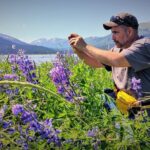
On this hike, you’ll encounter vegetation loaded with growth low to the ground. The guide points out what it is and how it fits into the bigger picture, and you’ll get chances to touch (and in some cases taste with guidance) what’s growing. That hands-on element is what turns a hike into a learning experience you’ll remember.
You’ll also get plenty of stops to enjoy scenery, which is useful if you want time to process what you’re seeing. The guide’s explanations help you translate the terrain: why ridges look the way they do, why certain plants occupy certain spots, and how animals use the habitat you’re standing in.
From my perspective, this is one of the best values of a guided hike in places like the Chugach. You’re paying for time with someone who can connect your physical effort to what the environment is doing. Without that, you’d likely just take photos and move on.
Wildlife spotting, with real safety instincts built in
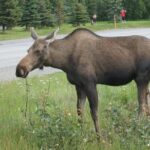
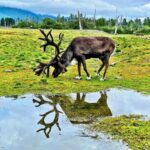
Wildlife is part of the point here. Your guide will help you keep an eye out for moose, Dall sheep, mountain goats, and bears, plus smaller mammals such as arctic squirrels and marmots. Birds are on the list too, including bald eagles, thrushes, chickadees, and jays.
The smart way to enjoy wildlife is to treat it like a bonus, not a guarantee. The real benefit is that you’re in the right habitat at the right time, with an expert who knows where to look and how to read the environment. That’s also why safety matters. In the group discussions I’ve heard about from past hikes, guides like Eli show preparedness and a calm approach if someone has questions about what to do if bear activity comes up.
A practical note: even if you don’t see an animal, the act of scanning teaches you how the landscape is used. You start noticing tracks, feeding areas, and the way animals might move through ridges and openings.
Because wildlife encounters can vary, follow your guide’s instructions about spacing and where to stop. This isn’t the kind of hike where you want to wander off to chase a sighting.
Guides with geology and plant skills make the hike feel personal
One reason this tour earns top marks is guide style. Names that come up include Eli, Brit, and Rebecca—each described as friendly, prepared, and tuned in to what the group needs in the moment.
Eli’s focus is often geology, local plants, and wildlife. People also highlight how he explains big concepts in plain language—like how tectonic plates relate to what you’re seeing in the mountains. That kind of explanation changes the way you read the ridges. Instead of just thinking scenic, you start thinking cause and effect.
Brit is praised for slowing the pace to match the group and adding small route adjustments when conditions allow. Rebecca is noted for guiding at a comfortable tempo and keeping the hike from turning into a race, while teaching about vegetation along the way.
What you should take from this as a potential hiker: you’re not just hiring someone to lead you from point A to B. You’re buying someone’s field skills—plant ID, safety awareness, and the ability to explain Alaska without turning it into a lecture.
Small-group pace also helps. With up to 12 participants, the guide can watch footing, handle questions, and keep everyone together enough to hear the key points.
Other guided tours in Anchorage



What you should bring (and what your body needs for this 5-hour effort)
This is an alpine hike, so your gear matters. Bring hiking shoes that can handle uneven ground. Pack sunglasses and sunscreen, plus a sun hat. In Alaska, insect repellent is smart even when you’re dressed for cooler air. A camera helps, since the view breaks are real and frequent.
Weather-appropriate clothing is not optional. In the Chugach, conditions can shift. Dress in layers and expect that your warmth needs can change as you move from exposed ridgelines to windier or shaded sections.
Also know what the tour provides. Snacks and water are included. A backpack and trekking poles are available upon request, which can be a big help if you’re traveling light. If you use poles, ask ahead of time so you’re not stuck trying to figure it out mid-day.
Fitness is the other big factor. The hike is recommended for people with at least some hiking experience or who are in good physical condition. You should be able to walk at least 8 miles on flat pavement or 5 miles of uneven rolling terrain over 4 hours. Parts of the trail are steep and hilly, which can stress areas that don’t get used as much on level walks.
Not suitable for certain health and mobility needs, including back problems, mobility impairments, heart problems, wheelchair users, respiratory issues, and low level of fitness. If any of those apply, I’d treat this as a hard no and look for a gentler option.
Price check: Why $179 can feel fair for a guided Chugach day
At $179 per person for about 5 hours, this isn’t a budget stroll. So here’s how I’d judge value.
First, transportation from downtown Anchorage is included. That removes a big hassle when you’d otherwise need to arrange a car and timing. Second, you get an expert guide plus snacks and water, and the group is capped at 12, which tends to improve the quality of attention you receive.
Third—and this is the real value in my mind—you’re paying for interpretation. You’re walking through tundra and alpine-forest habitat with guidance that explains what you’re touching and seeing. If you’re the type who likes to understand how places work, that learning component is worth real money.
Finally, wildlife scanning is part of the pitch. Even if you don’t see every animal, the guided approach increases your chances of noticing what’s there and doing it safely.
If you want a guided hike with real coaching, good pacing, and a stronger sense of place, the price makes sense. If you only want quick views and you’re comfortable hiking unassisted, you might be happier with a self-guided day. But for most visitors to Anchorage, having a guide in the Chugach is a practical win.
Should you book this Chugach alpine trek?
Book it if you want a structured alpine hike that mixes ridgeline views, tundra learning, and wildlife scanning in a small group. It’s a good fit if you can handle steep and hilly sections, walk several miles over uneven ground, and you’d enjoy hearing real explanations about plants, geology, and how animals use this habitat. If you’re staying in or near downtown Anchorage, the included minivan transfer makes the whole day easier.
Skip it if you’re dealing with back problems, mobility limits, heart or respiratory issues, or if you don’t have the fitness for steep, hilly terrain. Also skip if you rely on wheelchair access—this hike isn’t set up for that.
If you’re on the fence, go with this rule: if you’d feel nervous about uneven ground or steep grades, don’t gamble. Pick a gentler outing. If you feel ready for a real hike and you want a guided day that helps you understand what you’re seeing, this is one of the better ways to spend your time in the Chugach.
FAQ
How long is the Chugach State Park guided alpine trek?
It runs for about 5 hours, with specific starting times depending on availability.
What’s included in the price?
Transportation from downtown Anchorage, a hiking guide, snacks, water, and optional backpack and trekking poles available upon request.
Where do I meet the guide?
Meet in front of the William A. Egan Civic & Convention Center. There are parking garages nearby if you’re driving.
Do you pick up from hotels?
No. Pickup is not included from hotels or accommodations. You’ll start from the downtown meeting point.
What should I bring for the hike?
Bring sunglasses, sun hat, camera, hiking shoes, sunscreen, insect repellent, and weather-appropriate clothing.
Are trekking poles and a backpack provided?
They’re available upon request.
Is the hike suitable for everyone?
It’s not recommended for people with back problems, mobility impairments, heart problems, wheelchair users, respiratory issues, or low fitness.
Can I cancel if my plans change?
Yes. Free cancellation is available up to 4 days in advance for a full refund.