REVIEW · ANCHORAGE
Winter Valley and Forest Hike
Book on Viator →Operated by Go Hike Alaska · Bookable on Viator
Winter boots, wildlife, and ice-cold wonder. This guided outing takes you through Chugach State Park along the Eagle River Nature Center trails, then finishes at Barbara Falls with dramatic ice formations and easy photo stops. It’s a simple plan on paper, but the winter setting makes every bend in the path feel like a new scene.
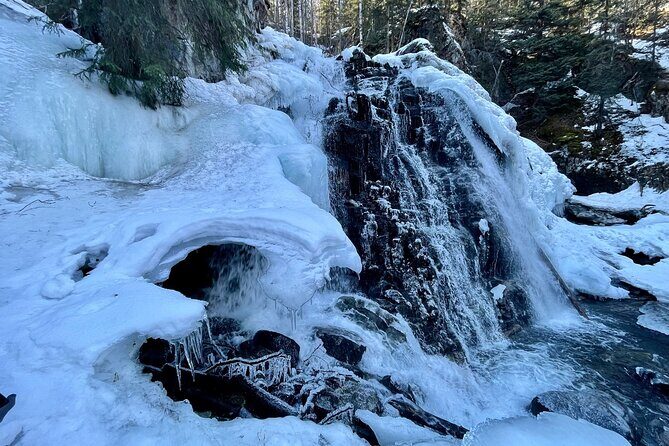
I especially like two parts. First, the guide’s winter spotting focus: moose, snowshoe hare, red fox, and even the American Dipper in warmer water pockets are all part of the possibility set, plus you’ll get plenty of talk about what’s happening in the frozen plants and “edible” winter finds. Second, Barbara Falls is the payoff you remember later: a short walk with ice dams, shimmering snow crystals, and a view that feels made for a point-and-shoot camera.
One thing to think about before you go: you’re on real winter terrain. The hike can be steep and hilly, and you’re responsible for snowboots or high-top hiking shoes plus appropriate cold-weather clothing. Foggy days can also soften views, so keep expectations flexible.
In This Review
- Key things to know before you lace up
- Starting in Anchorage: what the 10:00 am plan feels like
- Eagle River Nature Center trails: trees, wildlife, and winter “hot spots”
- When fog or weather dulls the views
- The Barbara Falls finish: ice dams and easy photo moments
- What $179 gets you: value beyond the ticket price
- Gear and clothing: what’s your job vs theirs
- Fitness level: moderate, but not flat-city walking
- Guide style that really changes the hike: Leah and Greg
- Who should book this winter hike (and who should skip it)
- Price verdict: is it worth it?
- Should you book Winter Valley and Forest Hike?
- FAQ
- FAQ
- How long is the Winter Valley and Forest Hike?
- Where do I meet, and do you offer pickup?
- What’s included in the price?
- What winter gear should I bring myself?
- Do I need hiking experience to join?
- What fitness level do I need?
- Are dietary restrictions handled?
- Are service animals allowed?
- What happens if I cancel or weather is bad?
Key things to know before you lace up
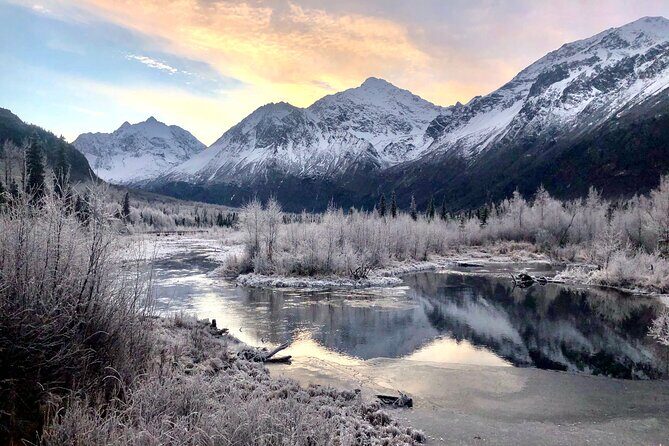
- Eagle River Nature Center forest trails: you hike deep in Chugach along the north fork of the Eagle River, with wildlife spotting built into the route.
- Winter micro-habits: warm-water tributaries may attract birds like the American Dipper, even when everything else is frozen.
- Barbara Falls, short and punchy: a half-mile walk that delivers ice dams and photo-worthy ice texture.
- Small group pace: capped at 12 people, so the guide can slow down when the conditions (or wildlife) demand it.
- Winter footing support: you can get trekking poles and, if needed, micro-spikes and snow gaiters upon request.
- Real guide-led winter learning: expect plant-and-animal talk that makes the frozen ground feel less mysterious and more readable.
Starting in Anchorage: what the 10:00 am plan feels like
You meet at the William A. Egan Civic & Convention Center in downtown Anchorage at 10:00 am, and the tour ends back at the same spot. There’s no hotel pickup, so plan to meet there or get yourself to the trailhead on your own. The good news is it’s near public transportation, which matters in Anchorage where parking and timing can get tricky.
Most of your time is movement: about 4 hours hiking, plus around 1 hour of transportation during the day. That adds up to a half-day that’s long enough to feel like you got outside for real, but short enough that you’re not stuck doing marathon winter trudging if conditions are less than perfect.
Also, you’ll want to treat this as a guided hike, not a casual stroll. You’ll likely stop often for wildlife checks and photo moments, but the route still expects you to keep walking.
Other walking tours we've reviewed in Anchorage

Eagle River Nature Center trails: trees, wildlife, and winter “hot spots”
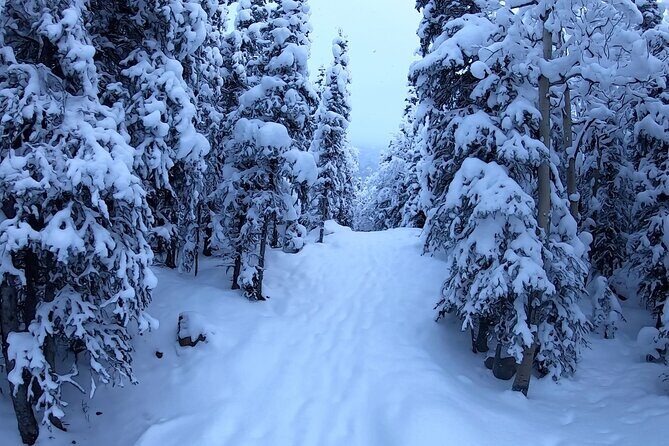
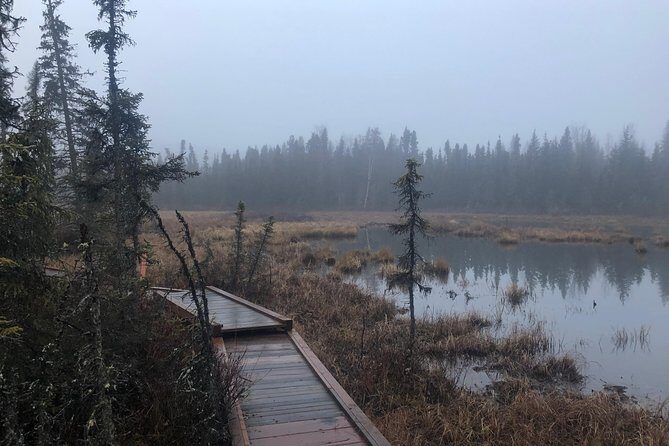
The first stretch runs through the forested trails at the Eagle River Nature Center, tucked along the north fork of Chugach State Park. In winter, that means spruce trees under snow, quiet air, and that special sound winter makes when everything is crisp and still.
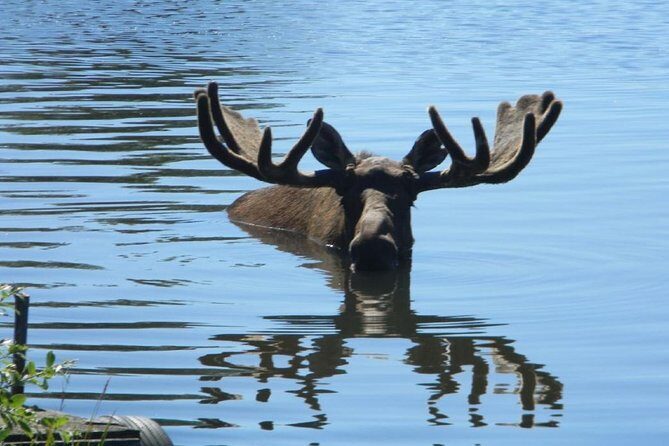
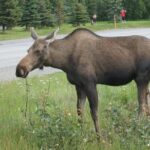
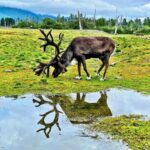
This is where you go looking for the kind of wildlife you don’t always get to see on a city hike. Your guide keeps an eye out for larger animals like moose, plus smaller winter characters such as snowshoe hare and red fox. There’s also a chance for porcupines, which feel oddly at home in snowy woods once you learn what to look for.
One of the coolest ideas in this hike is the attention to water. Even when the world looks fully frozen, there can be unfrozen or partially warmed spots. The tour description calls out the American Dipper potentially swimming in a tributary warmed by geothermal heat. You’re not promised it, of course, but this is exactly the kind of winter detail that turns a “walk in the woods” into something more.
There’s also a fun wild-variable: if Eagle River is frozen, you may be able to hike on top of the river. That’s the sort of moment that changes your whole mental map of the day. Same trail network feeling, but with a completely different view of where you are.
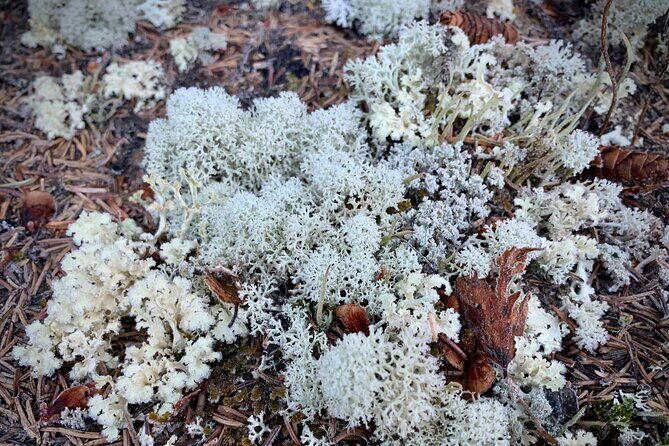
And it’s not only animals. Based on what people have said after the hike, the guides put time into winter plant talk. In particular, they point out edible winter options like highbush cranberries (tasted as part of the experience when conditions allow). That kind of learning is practical: you start noticing what survives winter and why, instead of seeing only dead-looking branches and snow.
When fog or weather dulls the views
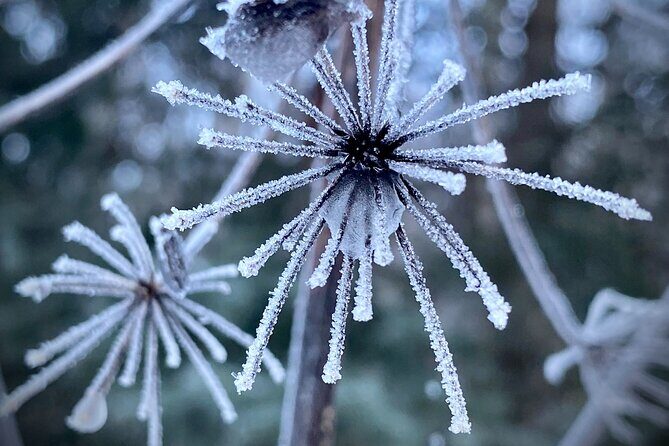
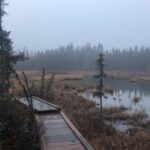
Winter in Alaska can be brutally honest. On a foggy day, mountain views might be muted or invisible, and no guide can fix that. One person’s take hit on this directly: they had fog and felt like they didn’t see much from the viewpoint side.
Here’s how I’d handle it: think of this hike less as a mountain-view tour and more as a winter ecology tour. Even on a muted day, you still get:
- quiet forest walking,
- wildlife-check stops,
- detailed winter talk,
- and a finish at Barbara Falls that usually still delivers big visual impact.
The operator also builds in weather tolerance by requiring good weather. If it’s canceled due to poor weather, you’ll get offered another date or a full refund.
The Barbara Falls finish: ice dams and easy photo moments
After the forest time, you take a short ride to Barbara Falls, described as the park’s best waterfall. Then you do a short half-mile walk to reach the falls area.
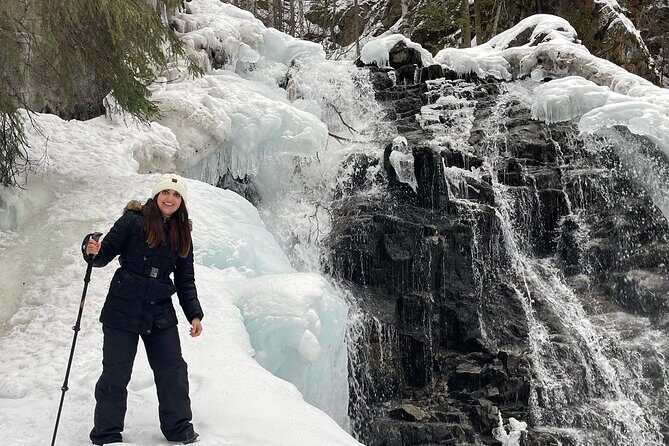
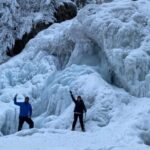
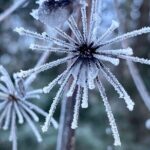
In winter, Barbara Falls changes character. Instead of just water rushing down rock, you get ice dams, shimmering snow crystals, and a lot of texture. People describe it as rewarding because the photos are close and frequent—there are picture angles around corners, and you don’t need to be a serious hiker to get great results.
If you love photos where the subject looks different from normal waterfall shots, this is the part to aim for. It’s also a nice pacing break: you can keep your energy for the fun visuals instead of spending the whole day grinding through elevation.
What $179 gets you: value beyond the ticket price
At $179 per person for about 5 hours, you’re paying for more than “someone walks with you.” You’re paying for a guided winter day with small-group control, added winter safety help, and the kind of wildlife-and-plant attention that’s hard to recreate on your own.
Here’s what’s included:
- Trekking poles
- Snacks: granola bar, apple, and cheese stick
- Snow gaiters available upon request
- Micro-spikes, if needed
- Admission is listed as free for this activity
- A mobile ticket
- English-language guiding
- A group cap of 12 people
Now, here’s the practical part: value depends on what you bring to the table. If you already own winter traction gear, you might feel like you’re getting less “equipment value.” If you don’t, the fact that the guide can supply micro-spikes when needed can be the difference between a stressful hike and a manageable one.
The snacks are simple, but they matter in winter. A granola bar plus something salty (cheese stick) and something fruity (apple) is a solid baseline when it’s cold and you’re walking steadily for hours.
Also, if you have dietary restrictions, you should tell the team ahead of time. They can swap the snack option.
Other walking tours we've reviewed in Anchorage


Gear and clothing: what’s your job vs theirs
Some tours hand you a winter uniform. This one doesn’t. The responsibility split is clear.
You’re responsible for:
- Snowboots or high-top hiking shoes
- Appropriate winter clothing for the conditions
They provide:
- Trekking poles
- Snow gaiters upon request
- Micro-spikes if needed
That means you should plan for traction and warmth before you arrive. In winter, the “wrong shoe” doesn’t just make you uncomfortable; it can make the hike harder than it needs to be, especially on steep or uneven patches.
I’d also plan for the fact that conditions change. The day can start fine and turn slick after a weather shift. Having traction (or being prepared to get micro-spikes) is what keeps you confident.
Fitness level: moderate, but not flat-city walking
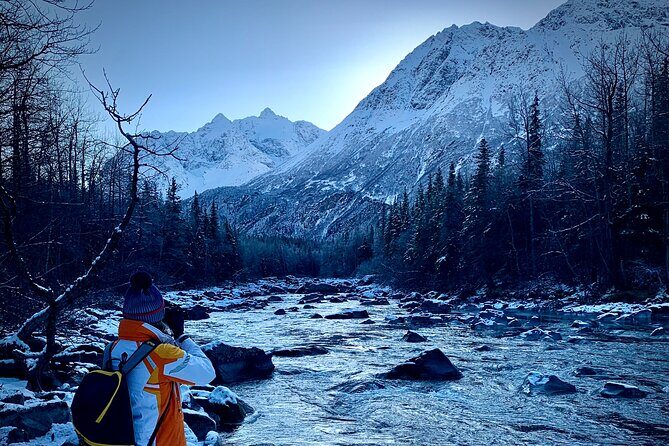
The tour is described as requiring moderate physical fitness. No advanced experience is needed, but you do need to be able to walk a meaningful distance. A helpful guideline they give:
- walk at least 7 miles on flat pavement, or
- walk 5 miles of uneven rolling terrain over roughly 4 hours
And yes, some parts are steep and hilly, which adds stress beyond level-ground walking. That’s important if you have knee issues, ankle problems, or get winded easily.
They also note it’s not recommended for people with cardiac or respiratory issues/illness, and it may be difficult for those with severe joint issues.
If you’re unsure, use this as your sanity check: if you normally struggle on winter sidewalks with uneven pavement, you might find this tougher than you expect.
Guide style that really changes the hike: Leah and Greg
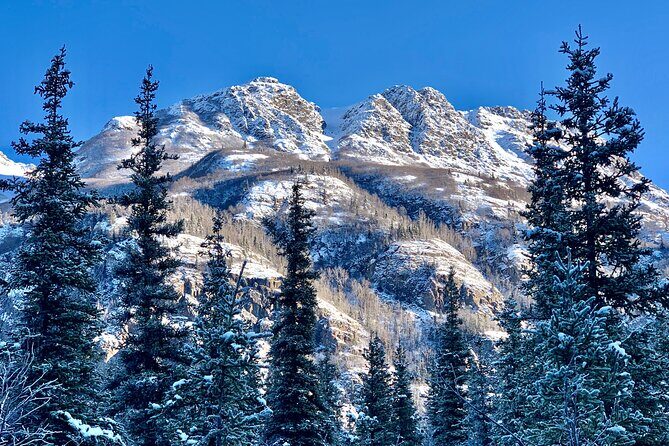
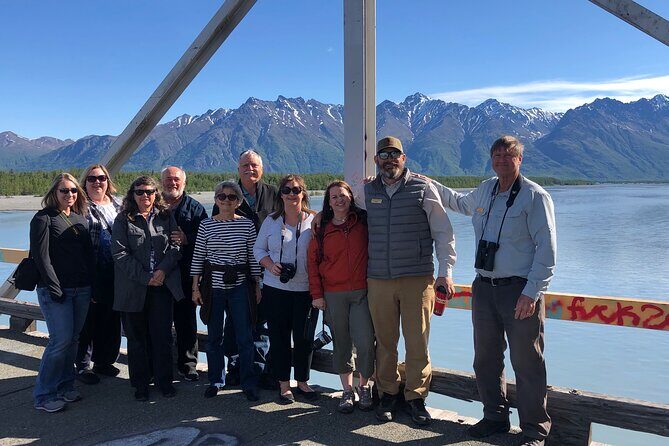
The guides seem to make a noticeable difference. People single out names, including Leah and Greg, with comments about how friendly and flexible they were.
Two patterns show up in the feedback:
- They give you a lot to notice in winter: plants, edible finds, animal signs, and small details like a beaver house.
- They manage time in a way that respects the group. One person appreciated that the guide allowed extra time so they could still make it to Barbara Falls.
That flexibility matters because winter weather can slow things down. If the group needs a little more time for footing, wildlife spotting, or photos, the best guides handle it without turning the day into a rush.
Who should book this winter hike (and who should skip it)
This is a good match if you want:
- a guided winter outing near Anchorage,
- wildlife and winter plant learning,
- and a strong finish at Barbara Falls without a long, technical slog.
It’s also well-suited to people who don’t want to drive to trailheads alone. Even though there’s no hotel pickup, the meeting point is in a central area, and the hike is organized with a small group size.
Skip it if you:
- can’t handle steep or hilly walking in winter,
- have respiratory or cardiac concerns that make sustained cold activity risky,
- or can’t bring the right winter footwear and clothing.
If you’re nervous about winter traction, remember this has micro-spikes available when needed, plus a guide who can help you choose the right approach for the conditions you’re actually standing on.
Price verdict: is it worth it?
For $179, I think this can be a solid value if you’re the type of person who enjoys learning while moving and you want a guided winter experience close to the city. The included trekking poles, traction support options, admission, and snack package help soften the cost.
If you’re expecting a pure scenery-tour with guaranteed clear mountain views, you might feel shorted on a foggy day. But if you came for winter ecology, wildlife chances, and the ice show at Barbara Falls, the price starts to make more sense.
The biggest “value driver” is the guide’s approach. When the guide adds meaning—through plant info, animal spotting, and smart pacing—the hike turns into a day you remember, not just time outdoors.
Should you book Winter Valley and Forest Hike?
Yes, you should book this if you want a small-group, guided winter hike that combines forest walking with a high-reward waterfall finish. It’s a practical way to experience Chugach State Park in winter without needing specialized navigation skills.
I’d book with confidence if you can meet the walking expectations and you’ll show up with the right winter shoes and layers. If you can’t handle steep or uneven winter terrain, or you need a fully flat walk, then look for a gentler option.
FAQ
FAQ
How long is the Winter Valley and Forest Hike?
The tour runs for about 5 hours total. Roughly 1 hour is transportation and about 4 hours is hiking.
Where do I meet, and do you offer pickup?
You meet at the William A. Egan Civic & Convention Center, 555 W 5th Ave, Anchorage, AK 99501. There are no hotel or other accommodation pickups, so you’ll need to meet at the designated location or provide your own transportation to the trailhead.
What’s included in the price?
You get trekking poles and winter-ready snack items (granola bar, apple, and cheese stick). Snow gaiters are available upon request, and micro-spikes are provided if needed. Admission is listed as free for the activity.
What winter gear should I bring myself?
You’re responsible for snowboots or high-top hiking shoes, plus appropriate winter clothing for the conditions. The tour provides some added support like poles and possible traction aids, but your footwear and clothing are still on you.
Do I need hiking experience to join?
No prior experience is required, but you do need to be able to walk the distance and handle winter terrain during the hike.
What fitness level do I need?
The guidance is moderate fitness: be able to walk at least 7 miles on flat pavement, or about 5 miles of uneven rolling terrain over roughly 4 hours. Some trail sections are steep and hilly. It’s not recommended for people with cardiac or respiratory issues/illness, and it may be difficult for severe joint issues.
Are dietary restrictions handled?
Yes. If you have dietary restrictions, let the provider know and they will accommodate you with a different snack option.
Are service animals allowed?
Yes, service animals are allowed.
What happens if I cancel or weather is bad?
You can cancel up to 24 hours before the experience start time for a full refund. The tour requires good weather, and if it’s canceled due to poor weather, you’ll be offered a different date or a full refund. The experience also requires a minimum number of travelers, and if it doesn’t meet that minimum you’ll be offered a different date/experience or a full refund.